
School heat illness risk rises as hotter calendars strain campuses
Arizona State University researchers say earlier start dates and extreme heat are forcing schools to rethink classrooms, playgrounds and sports.
By Hana Yoshida · Markets Reporter
4 min read
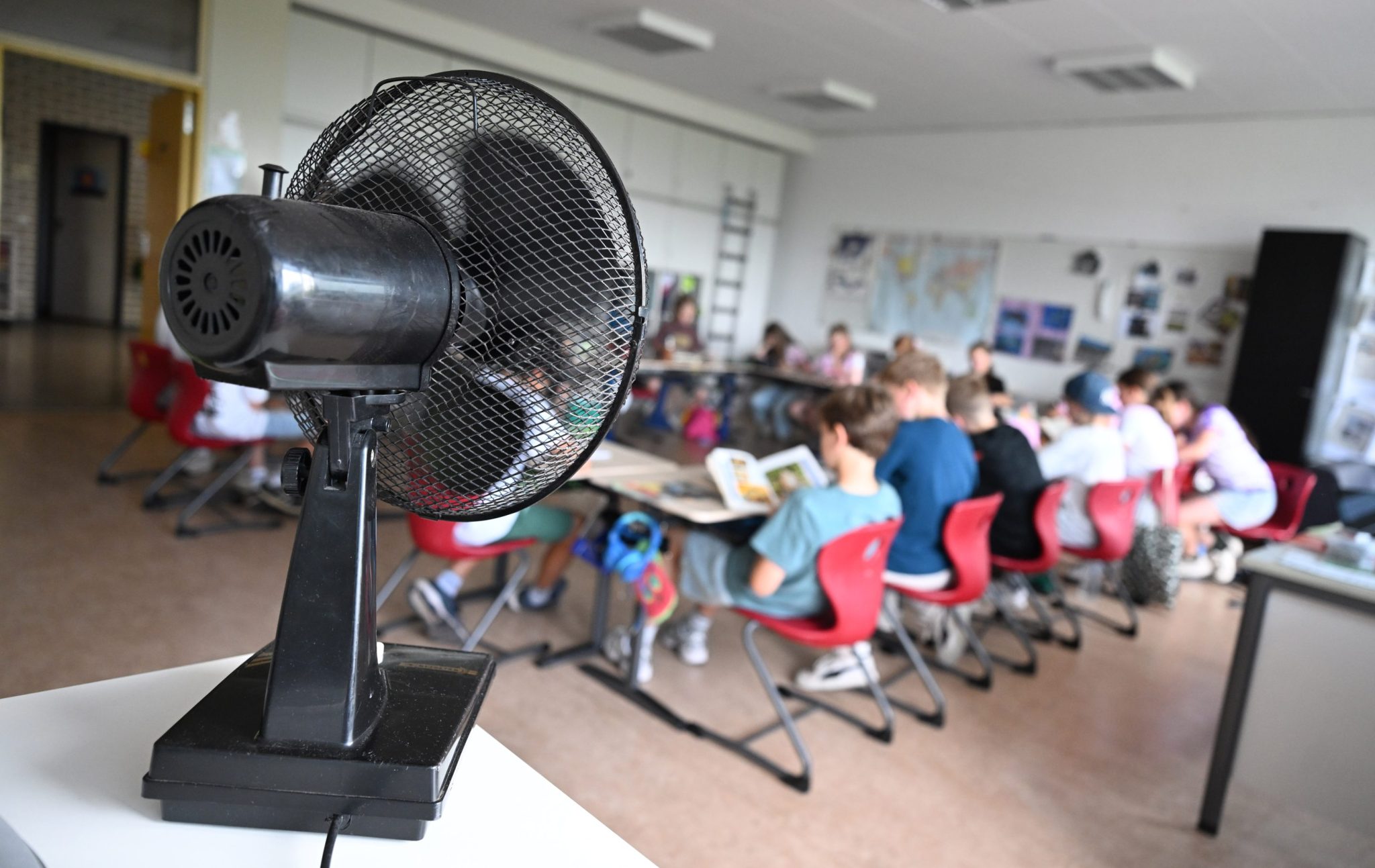
School heat illness risk is becoming a more urgent problem as more districts hold classes during the hottest weeks of the year, Arizona State University researchers say. In Phoenix, where temperatures reached 117 degrees Fahrenheit in July 2026, students were still walking to school, going to recess and attending sports practices.
The concern extends beyond the desert Southwest. The researchers said cities including Los Angeles and Houston can face oppressive heat as classes resume in August or September, while extreme heat is becoming more frequent, intense and long-lasting in many parts of the United States and abroad.
The researchers work with ASU’s HeatReady Schools program, which helps schools prepare for high temperatures. They said many campuses lack both the physical upgrades and operating plans needed to keep students and staff safe indoors and outside.
Why are students at higher risk of heat illness?
Children are more vulnerable to heat-related illness than adults because of differences in heat tolerance, limited ability to recognize warning signs and reliance on adults to take protective steps, the U.S. Environmental Protection Agency says. At school, that risk can rise during recess, commutes, physical education and athletics.
Researchers cited in the ASU analysis found that most extreme heat illnesses in high school sports occur in July and August. About one-third of those events happen without a school nurse or other medical worker present, according to the cited research.
Heat also affects learning. Research cited by the ASU team found K-12 absence rates are 16% higher when temperatures climb above 90 degrees Fahrenheit, and hot exam days are linked to lower test scores. Adequate classroom air conditioning can reduce that effect, the researchers said.
Earlier school years add pressure
The ASU researchers said many districts have moved the first day of school earlier into summer in recent years. They cited several reasons, including efforts to reduce summer learning loss, add instructional time before standardized tests and respond to preferences from teachers and administrators.
Policy and funding can also play a role. Arizona offers an additional 5% in annual funding to schools that extend the academic year from 185 to 200 days, the researchers said. Charter schools may contribute to the trend because they have more flexibility over calendars; about 60% of schools with earlier start dates are charter schools, according to research cited by ASU.
What schools are changing
Many schools are trying to cool campuses by planting trees, adding shade canopies and replacing heat-trapping playground materials such as black rubber, concrete and aluminum. Research cited by ASU found that shade improves thermal comfort by reducing sun exposure and air temperatures.
Shade can also reduce harmful sun exposure for students by 84% compared with direct sun, according to cited research. Other studies cited by the researchers found children and teenagers are more active in schoolyards with more tree cover and shade.
Some states have adopted policies to adjust sports schedules or require more equipment, training and staff to reduce heat illness risk, the researchers said. In some cases, policies also set classroom temperature limits, including a threshold of 82 degrees Fahrenheit.
Cooling schools is expensive
The Government Accountability Office has estimated that 41% of U.S. school districts with air conditioning need to update or replace their systems. Separate findings cited by the researchers said 156 districts serving more than 1 million students had at least 30 more school-year days above 80 degrees Fahrenheit in 2025 than in 1970.
Installing new air conditioning in schools that do not have it would cost an estimated $40 billion, while updating existing systems would cost more than $414 million, according to the cited findings. Outdoor shade can also be costly, with large playground structures priced in the tens of thousands of dollars.
Indoor space is another constraint. Federal data cited by the researchers show that 46% of elementary schools in the West have dedicated gymnasiums, compared with 60% in the South, 73% in the Northeast and 77% in the Midwest.
The ASU researchers said aligning school calendars with regional climate conditions could reduce exposure to extreme heat while preserving instructional time. They said schools will need heat-aware policies, designs and infrastructure as hotter conditions affect learning, health and physical activity.
This story draws on original reporting from Fortune.