
Samsung casts Galaxy phones as gateway to AI-enabled homes
Samsung’s North America chief says AI features and connected appliances are central to its push in a mature smartphone market.
By Hana Yoshida · Markets Reporter
3 min read
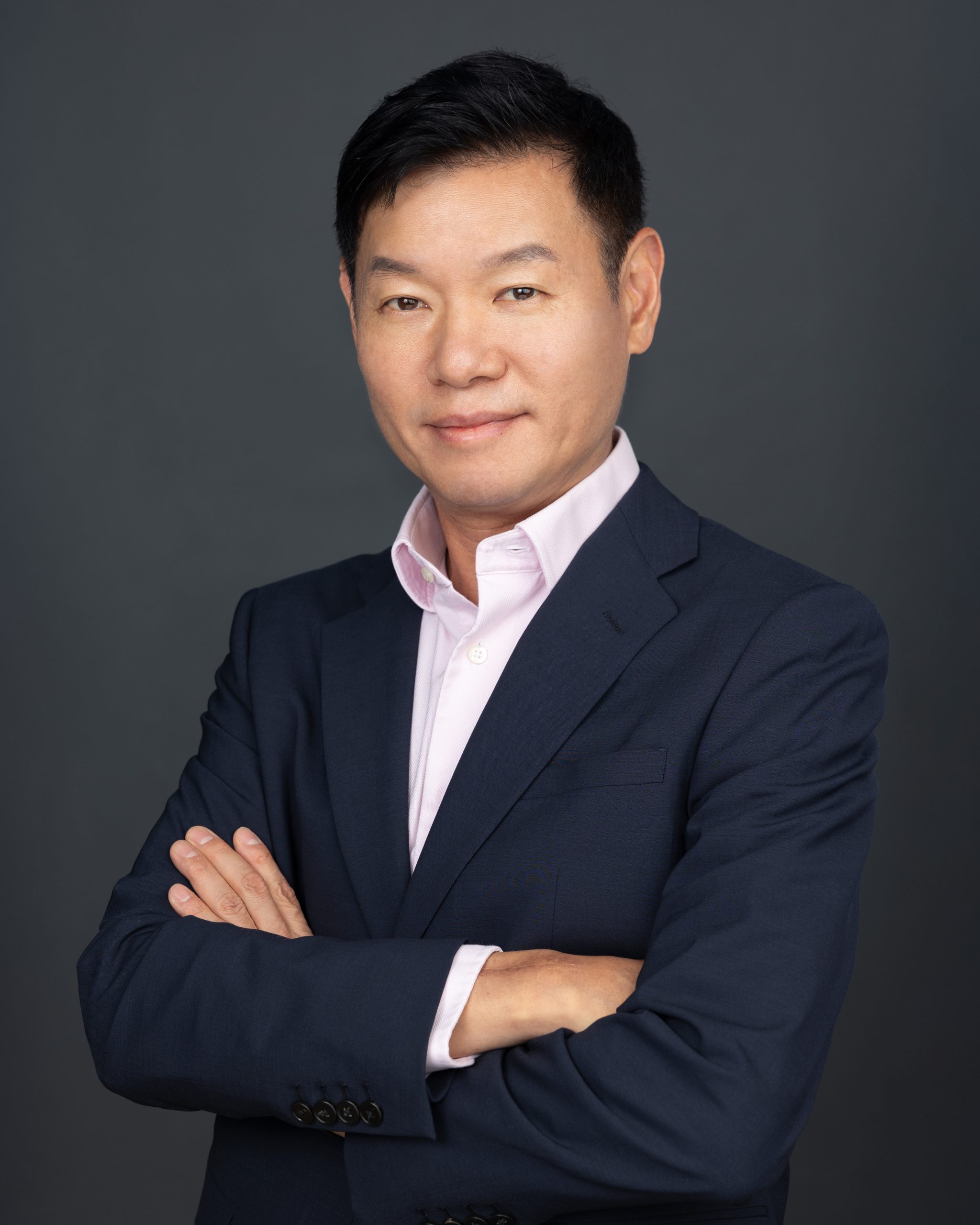
Samsung Electronics North America is using its Galaxy phones to push customers toward a wider AI-powered home system, President and CEO Yoonie Joung told Fortune. The approach is meant to help Samsung compete in a mature smartphone market where Apple holds a larger share in North America.
Joung spoke with Fortune ahead of Samsung’s Galaxy Unpacked event in London, where the company was expected to highlight new premium mobile devices. Fortune reported that Apple is likely to introduce a foldable iPhone this fall, a move that would bring a major rival into a category where Samsung has been an early leader.
Samsung’s next foldable lineup, described by Fortune as its eighth generation of devices, is rumored to include three models. Fortune said the range could span from a device aimed at everyday media use to a higher-end version built for content creation and business users.
Joung pointed to AI and hardware design as the main ways Samsung can separate itself in a saturated global phone business. He told Fortune that Samsung wants AI on mobile devices to go beyond responding to direct prompts and instead understand a user’s intent and daily context.
Samsung also plans to draw on its expanded work with Google to strengthen AI features across mobile and connected devices, according to Fortune. Samsung has described that partnership as part of its effort to improve smart-home experiences.
The North American market remains a difficult one for Samsung. Fortune reported that Samsung accounts for roughly a quarter of smartphone sales in the region, while Apple has more than half.
Joung told Fortune that Samsung sees the phone as the starting device in a larger consumer system that includes appliances, entertainment products and other smart-home hardware. He cited refrigerators with internal cameras that can monitor produce, check expiration dates, suggest recipes from available ingredients and send cooking instructions to an oven that sets its own temperature.
That broader product base gives Samsung a different pitch than a phone-only upgrade cycle, according to Joung’s comments to Fortune. The company is betting that customers may stay loyal if their phone, kitchen appliances and entertainment devices work together through AI services.
Joung also described limits and risks around the technology. He told Fortune that the company has concerns about the cost of computing power and energy, as well as risks for corporate users.
Security has been one area of hesitation, Joung said. He told Fortune that Samsung had been cautious about using AI at work because of worries that confidential information could leak, while adding that he believes AI’s benefits are greater than its drawbacks.
For Samsung, the next test is whether new form factors and AI features can translate into stronger brand loyalty. Joung told Fortune that the company views the most compelling connected ecosystem as the key to winning customers in the next phase of the market.
This story draws on original reporting from Fortune.