
Oystercatcher rebound follows decade of coastal protection work
A 16-state conservation push has helped American oystercatchers gain ground, though rising seas and habitat rules remain concerns.
By Hana Yoshida · Markets Reporter
3 min read
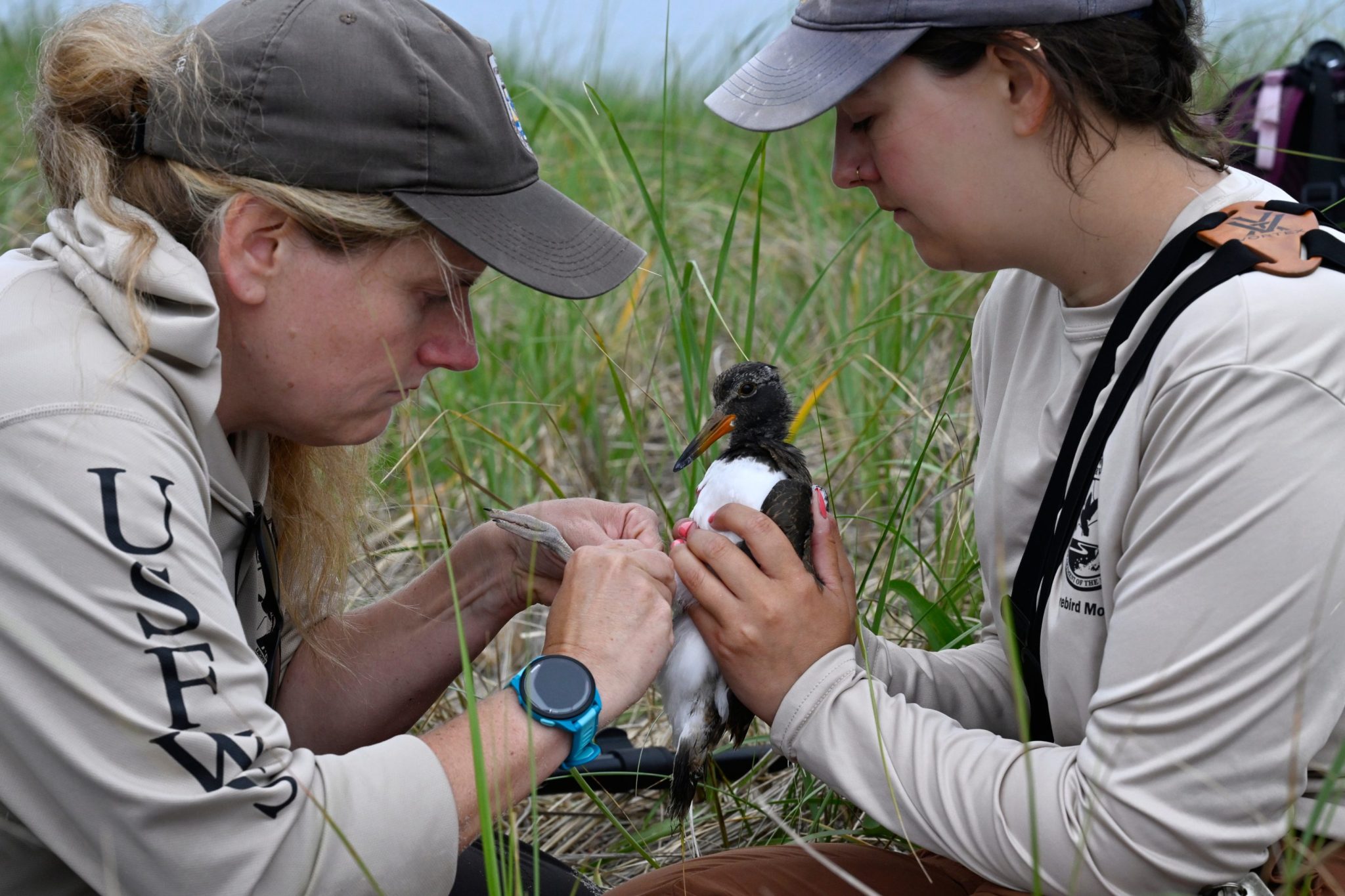
American oystercatchers have increased along the Atlantic and Gulf coasts after a decade-long conservation campaign spanning 16 states. The rebound matters because many North American shorebirds are still losing ground, according to a 2023 study cited by the Associated Press.
The effort brought together 35 coastal organizations and raised about $10 million over 10 years, AP reported. From 2008 to 2023, the oystercatcher population along those coasts rose 45%.
At Rhode Island’s Trustom Pond National Wildlife Refuge, U.S. Fish and Wildlife Service biologists recently banded two young oystercatchers as part of the broader monitoring work. The bands allow researchers to track survival, movement and breeding over time.
The birds, known for long legs and vivid orange bills, were largely gone from New England by the early 1900s after hunting and egg collecting, according to AP. Their return has depended on protecting beach nesting areas from people, pets and predators.
Protecting chicks became the focus
Alan Kneidel, a senior conservation biologist with Manomet Conservation Sciences, told AP that researchers identified chick survival as a main factor behind earlier declines. Conservation groups then developed plans tailored to threats at individual sites.
Those threats vary by location, Kneidel said. Some nesting areas face heavy recreation, others have predator pressure, and some are vulnerable to sea-level rise, dune loss and storm overwash that can destroy nests.
On Martha’s Vineyard, AP reported, seasonal low fencing with chicken wire helps keep skunks and raccoons away from an important breeding area for oystercatchers and other birds. Public signs also tell beachgoers about the birds and how to avoid disturbing them.
Luanne Johnson, a wildlife biologist who founded BiodiversityWorks, told AP that public education can help people “share the shore” with the species. Martha’s Vineyard was the first place in Massachusetts where nesting oystercatchers appeared as they began recovering, and breeding pairs there have increased 77% since 2009, according to AP.
Work extends across the coast
Federal protections for piping plovers have also helped oystercatchers, AP reported, because the two birds use some of the same nesting areas. During plover nesting season, vehicles and dogs can be restricted or barred near beach nests.
In South Carolina, nearly 30 breeding sites are roped off to protect nesting habitat, according to AP. Georgia and North Carolina also rope off nesting areas and trap and euthanize predators such as foxes, raccoons and coyotes during breeding season.
Lindsay Addison, a coastal biologist with Audubon North Carolina, told AP that early conservation work can prevent a species from reaching a point where endangered status is being considered. North Carolina’s breeding pairs have risen nearly 20% to 403, AP reported.
Ted Simons, a retired emeritus professor at North Carolina State University, told AP that the recovery also reflects the bird’s ability to adapt. He said oystercatchers have nested on rooftops in the United States, while related species in Europe have nested in pastures and eaten worms.
Climate and habitat rules remain risks
Conservationists told AP that climate change remains a major threat as rising seas and erosion wash out nests. Georgia has responded by building elevated oyster-shell nesting platforms and using dredged material from shipping channels to create and maintain nesting islands.
Along North Carolina’s Cape Fear River, Audubon is restoring shell rakes, beds of old oyster shells that oystercatchers use for nesting, AP reported. Addison said sea-level rise will reduce habitat and that conservation groups need to provide what habitat they can.
Environmental groups are also challenging recent changes to the Endangered Species Act, AP reported. The changes would permit drilling, mining, logging and other development on critical habitat if animals are not directly killed or injured.
Kneidel told AP the rule change threatens protections that have helped shorebirds recover. Environmentalists warned that weaker habitat safeguards could expose breeding areas to development, vehicle traffic and other disturbances.
This story draws on original reporting from Fortune.