
Nvidia and Microsoft urge support for open-weight AI models
Nvidia, Microsoft and other tech firms asked policymakers to back open-weight AI models as Chinese rivals push cheaper systems.
By Hana Yoshida · Markets Reporter
2 min read
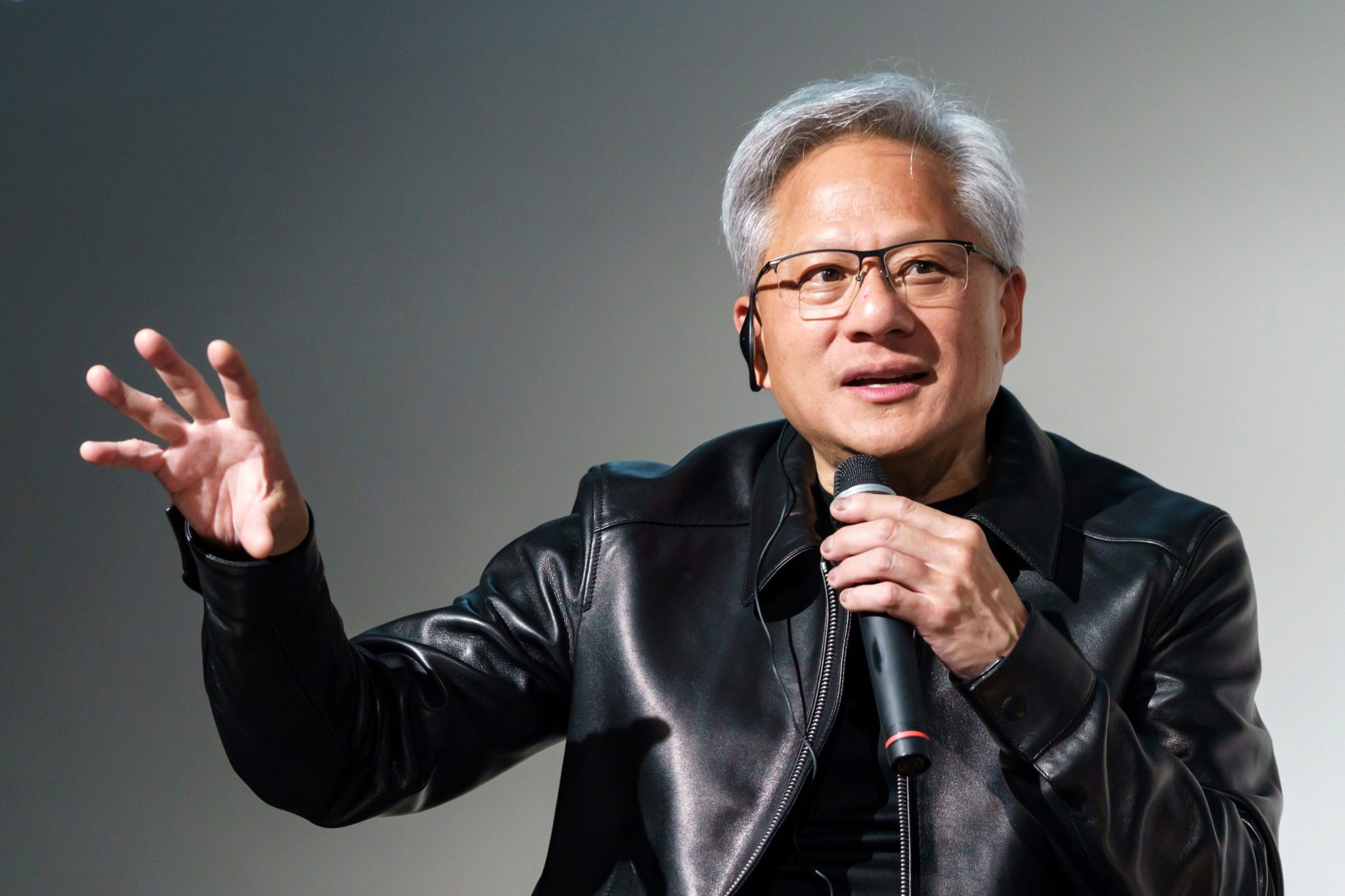
Nvidia and Microsoft are leading a push for open-weight AI models, asking policymakers to support technology the companies say is tied to U.S. leadership in artificial intelligence. The appeal came in a Friday letter backed by other tech firms, including Palantir Technologies and Meta Platforms.
The companies argued that a more open approach to AI software development is needed to keep innovation moving in AI and other parts of the economy. The letter said open-weight models are part of that base because they make advanced AI easier to access, modify and distribute.
Nvidia Chief Executive Jensen Huang shared the letter in his first post from a new personal X account. Microsoft Chief Executive Satya Nadella also posted the letter from his account.
What are open-weight AI models?
Open-weight AI models let users download the model and adjust it for their own needs. That can make the technology more useful for developers and businesses that want to customize AI systems rather than rely only on closed services.
The letter said U.S. AI strength should be measured by the country’s ability to build an open ecosystem that spreads across industries, rather than by a single top-performing frontier model. The companies said that approach is needed to create more opportunities for innovation and economic growth across the country.
Why are Nvidia and Microsoft pushing open-weight AI now?
The letter was released one week after Chinese startup Moonshot AI introduced Kimi K3, an open-weight model that the company said could compete with leading systems from OpenAI and Anthropic. Moonshot’s release unsettled investors and led some policymakers in Washington to discuss possible limits on China’s AI technology.
Chinese AI companies, including DeepSeek, have already brought lower-cost open models to market. Those systems have often trailed the most advanced U.S. models, but their lower prices can put pressure on American rivals.
OpenAI and some other AI developers offer open alternatives, but much of their business attention has gone to closed or proprietary systems sold to companies and consumers. Those paid systems help developers recover the high cost of training and operating advanced AI models.
The companies behind Friday’s letter did not name China or Moonshot. Their message focused instead on U.S. competitiveness and the need to broaden access to AI tools.
The push also has business stakes for the companies involved. Wider adoption of AI can increase demand for chips sold by Nvidia and other suppliers that power AI development and deployment.
This story draws on original reporting from Fortune.