
Jeff Bezos on anxiety: taking the first step eases stress
The Amazon founder said stress often signals inaction, and that starting to solve a problem can quickly turn anxiety into momentum.
By Hana Yoshida · Markets Reporter
3 min read
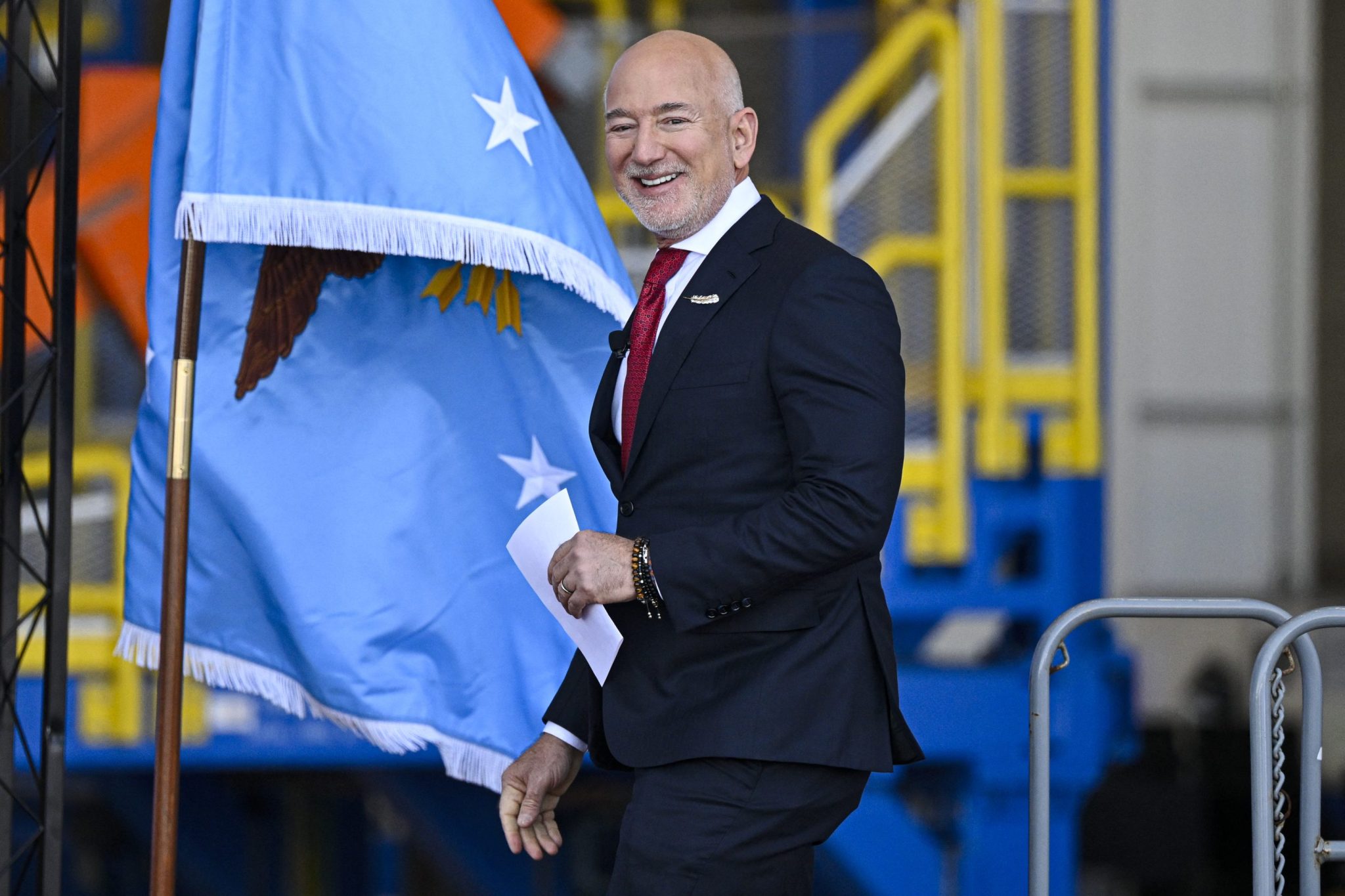
Jeff Bezos on anxiety has a practical message: stress often tells him he has not begun addressing a problem, the Amazon founder said during a 2017 appearance at the Museum of Flight in Seattle. Bezos said the feeling tends to ease once he takes an initial step toward solving what is bothering him.
“I find if I’m stressed about something it’s usually because I’m not doing anything about it,” Bezos said at the event. He described stress as a bodily signal that something needs attention, adding that “the stress goes away the second I take the first step.”
Bezos has had a long record of business pressure behind him. Bloomberg’s Billionaires Index lists his net worth at $257 billion and ranks him as the world’s third-richest person, and Fortune ranks Amazon as the No. 1 company on the Fortune 500. Fortune has reported that Bezos started Amazon in a rented garage and held 60 meetings to raise the company’s first $1 million in seed funding in the mid-1990s.
What did Jeff Bezos say about anxiety?
Bezos said he tries to identify the reason he feels stressed rather than ignore the feeling. He said he treats anxiety as a prompt to act, saying he listens to his body “as a signal” that something is wrong.
His recommended response is to start working on the problem and involve other people when possible. Bezos said finding friends or allies who care about the same problem can make problem-solving energizing rather than draining.
“There’s nothing more fun than getting in a room with a group of inventors and saying: ‘Look, here’s the problem. Let’s invent a solution to it,’” Bezos said. Once that process begins, he said, the situation can shift from stress-producing to enjoyable.
At Amazon, senior leaders also have Bezos’ 16 leadership principles as a guide, according to Fortune. Amazon CEO Andy Jassy said in the company’s Leadership Principles Explained video series that the principles require steady work and can be powerful when applied well.
How do other CEOs handle stress?
Other executives have described different methods for handling stress and burnout. Former Starbucks CEO Laxman Narasimhan told Fortune in 2023 that he relies on daily meditation, regular exercise and protected family time. Narasimhan, who now serves on the boards of the Brookings Institution and Verizon, said he is “very disciplined about balance.”
Red Lobster CEO Damola Adamolekun told Business Insider that he practices emotional control so his team does not see him rattled. He defined that approach as pausing, assessing the situation and responding thoughtfully rather than reacting on impulse.
Adamolekun said leaders who show emotional control can create a steadier environment for employees, including during difficult periods. His emphasis was on modeling calm behavior so teams feel supported and motivated.
Microsoft CEO Satya Nadella has described a stress-management approach that centers on workplace communication and flexibility. In comments reported by USA Today, Nadella said work-life harmony is a serious issue in a competitive economy and that leaders need dialogue with employees as well as flexible policies.
Nadella said companies should not let employees burn out, calling it harmful for both businesses and society. His view overlaps with Bezos’ in one respect: both frame stress as something to address directly through action rather than avoidance.
This story draws on original reporting from Fortune.