
George Martin AI leadership lesson framed in Fortune commentary
A Fortune commentary says George Martin’s Beatles role shows why AI-era leaders need judgment, not just faster answers.
By Hana Yoshida · Markets Reporter
3 min read
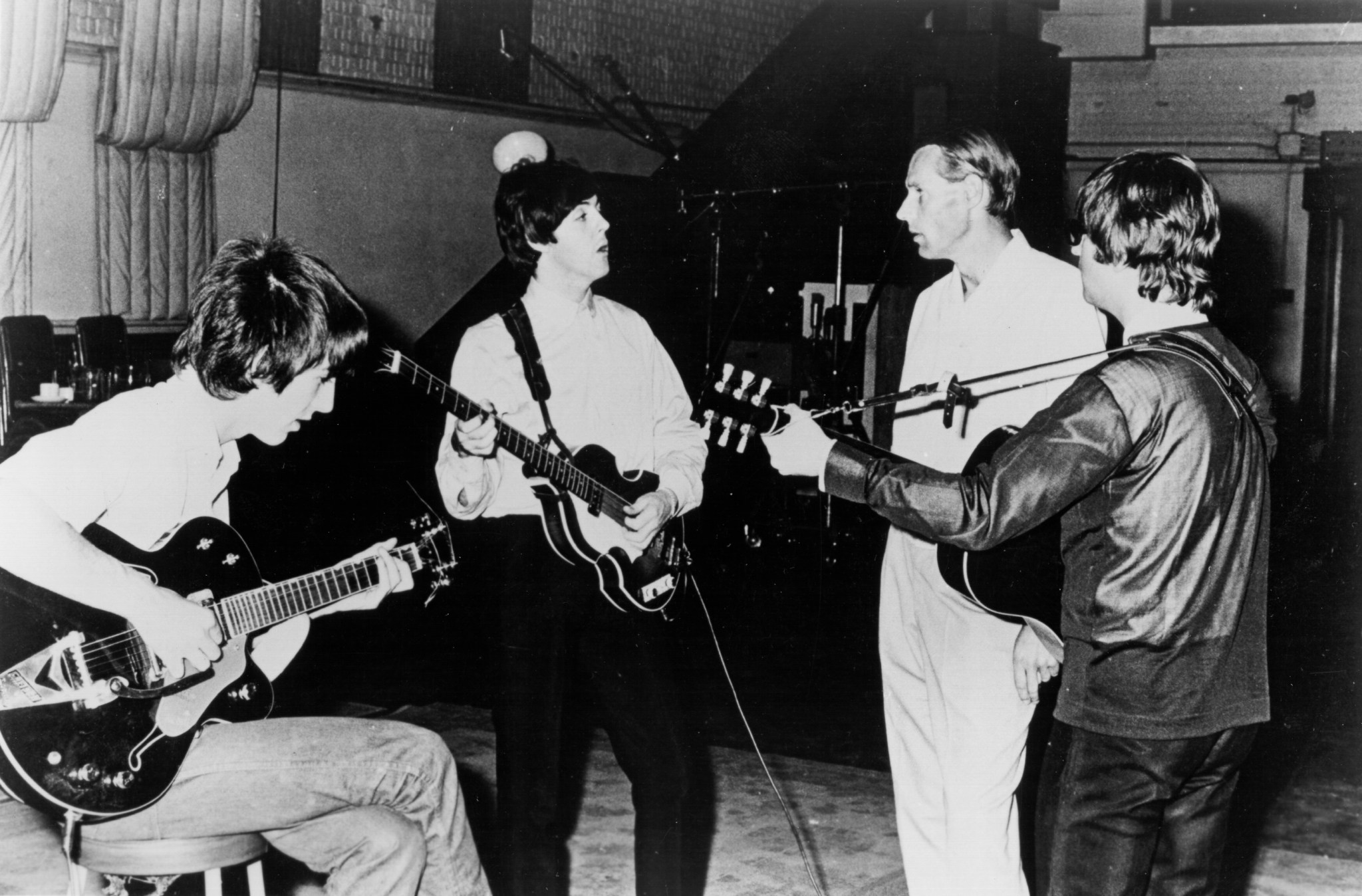
A Fortune commentary argues that the George Martin AI leadership lesson is timely for companies trying to put artificial intelligence into daily work. The piece says Martin’s value to the Beatles was not that he wrote better songs, but that he could hear possibilities the band had not yet considered.
The commentary opens with Paul McCartney bringing “Yesterday” to Martin in 1965. According to the piece, Martin proposed adding a string quartet to a Beatles record, despite McCartney’s initial resistance, and the finished song went on to become one of the most recorded songs in history.
The writer uses that example to make a broader point about executives and AI. Artificial intelligence can now produce business plans, legal drafts, software, market analysis and strategic recommendations quickly, the commentary says, which means having access to answers is becoming less distinctive.
What is the George Martin AI leadership lesson?
The lesson, as the Fortune commentary frames it, is that leaders should use AI to widen judgment rather than only speed up work. Martin did not replace Lennon, McCartney, Harrison or Starr; he added orchestration, experimentation and direct feedback that changed what the group could make.
The commentary says many organizations are treating AI as a technology rollout, with task forces, new executive titles, training programs and policy rewrites. Those steps may have value, the writer says, but they can also place a new tool inside business structures built for a time when information and expertise were harder to get.
In that view, the risk is that teams use AI to reach a preset goal faster without asking whether the goal is the right one. The commentary describes organizations building timelines, decision trees and project plans while failing to question the assumptions behind the work.
How does the commentary define AI leadership?
The Fortune piece describes three levels of AI leadership: optimization, simulation and creation. Optimization means using AI for existing tasks such as meeting summaries, reports, customer service automation and code generation.
Simulation means using AI to test whether a plan should exist, not just to support it. The writer says leaders can ask AI to act like a skeptical customer, a tough competitor or a demanding board member to expose weak assumptions and overlooked risks.
Creation is the highest level in the commentary’s framework. At that point, AI is treated as a creative partner that can help people produce something neither side would have developed alone, a role the writer compares to Martin’s collaboration with the Beatles.
The commentary’s central claim is that AI makes intelligence widely available, but it does not make judgment automatic. It defines judgment as the ability to decide which questions matter, when a problem is too narrowly framed and when a common answer may be the wrong direction.
The piece closes by urging leaders to ask where they are only improving old work, where AI should challenge assumptions and what new things human teams and AI might create together. Its argument is that the next competitive advantage will come less from getting answers and more from knowing what to ask.
This story draws on original reporting from Fortune.