
Food and drink recalls hit six-year first-quarter high
Sedgwick reported 140 food and drink recall events in the first quarter, as Pillsbury rolls and Taco Bell lettuce drew fresh scrutiny.
By Hana Yoshida · Markets Reporter
3 min read
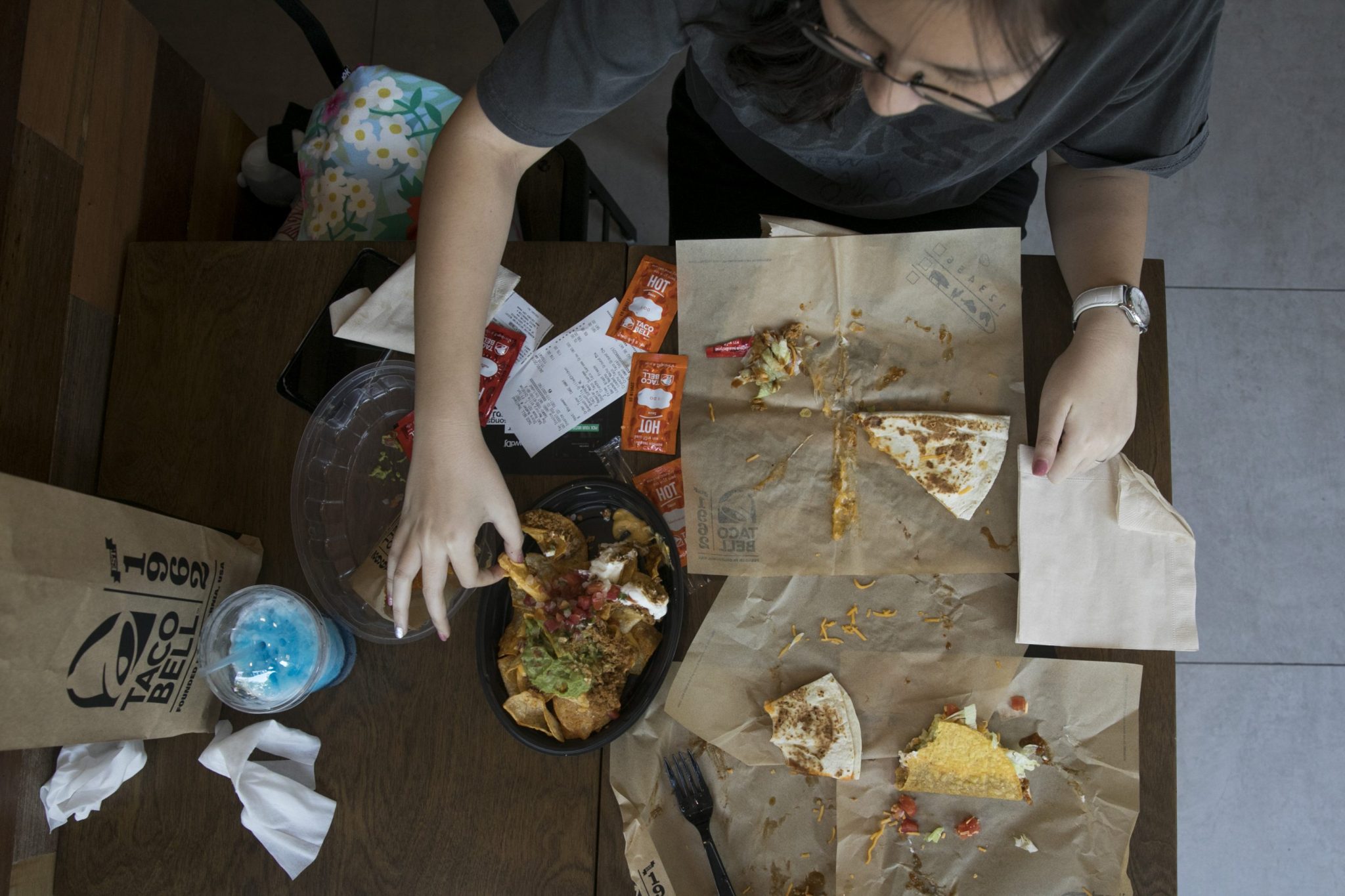
Food and drink recall events rose to a six-year first-quarter high in early 2026, according to Sedgwick, putting renewed attention on how companies and regulators respond to contamination risks. The increase comes as federal notices and public health warnings have involved products including Pillsbury bread rolls and iceberg lettuce served at some Taco Bell restaurants.
A U.S. Food and Drug Administration notice said General Mills recalled nearly 736,000 Pillsbury bread rolls because of possible glass contamination. General Mills said the voluntary recall covered two frozen dough products baked onsite and sold only at Walmart in-store bakeries in the United States.
A General Mills spokesperson told Fortune that food safety is the company’s top priority and said the recall was issued “out of an abundance of caution.” The company said all potentially affected product had been removed.
The Centers for Disease Control and Prevention also warned consumers this week against eating iceberg lettuce from Taco Bell locations in Indiana, Kentucky, Michigan, Ohio and West Virginia because of possible cyclospora contamination. Fortune reported that the FDA traced the diarrhea-causing parasite to Taylor Farms of Salinas, California, a supplier to fast-food restaurants.
Taco Bell said earlier this week that it had voluntarily and temporarily removed limited ingredients at some restaurants as a precaution. The company said it would keep following public health guidance.
Recall events rose, but recalled units fell
Sedgwick’s first-quarter 2026 U.S. Product Safety and Recall Index said food and drink recall events increased to 140 in the quarter that ended in March, up from 127 in the first quarter of 2025. Sedgwick said that was the highest first-quarter total in six years.
The total number of recalled food and drink units declined year over year, Sedgwick said, falling to 57.40 million from 70.25 million. Recall events also fell from the fourth quarter of 2025, which approached 160 events and marked the highest quarterly total in eight years, according to the report.
Chris Harvey, a senior vice president at Sedgwick, said in a company press release that businesses should assess compliance risks and test recall plans amid economic uncertainty and shifting regulatory priorities. Harvey said the current administration is emphasizing transparency around product origin information and food ingredients, along with clear communication with consumers, suppliers and regulators.
Higher totals do not point to one cause
Keith Belk, head of the Center for Meat Safety and Quality at Colorado State University, previously told ABC that better detection tools, including X-rays and metal detectors, have made it easier to find foreign material in food. That can increase the number of recalls identified by companies and regulators.
Congress also expanded food-safety law through the Food Safety Modernization Act in 2011, which increased the FDA’s recall authority. An August 2023 U.S. Department of Agriculture report said Mexico’s horticultural sector, the largest supplier of U.S. horticultural imports, invested after the law’s passage in sampling methods, infrastructure and clean-water practices without slowing export growth.
The FDA in January issued a request for information on labeling and preventing gluten cross-contact in packaged foods, citing transparency for allergens and ingredients that affect certain health conditions. Sedgwick said undeclared allergens were the leading cause of food recalls in the first quarter of 2026, accounting for 57 events, while bacterial contamination accounted for 22.
Federal law requires the nine leading allergens, including peanuts and soy, to be listed on food packaging when relevant. The Associated Press reported that a 25-year-old dancer in New York died in 2024 after eating a mislabeled cookie that contained peanuts.
The FDA says some natural or unavoidable defects in food cannot be eliminated completely, which is why it sets action levels for certain contaminants. Belk told ABC there will be no day when eating food carries zero risk.
This story draws on original reporting from Fortune.