
FIFA reports $15 billion cycle after expanded World Cup
FIFA says 2023-26 revenue will top $15B as record demand, high ticket prices and big U.S. audiences fuel debate over 2030 expansion.
By Hana Yoshida · Markets Reporter
3 min read
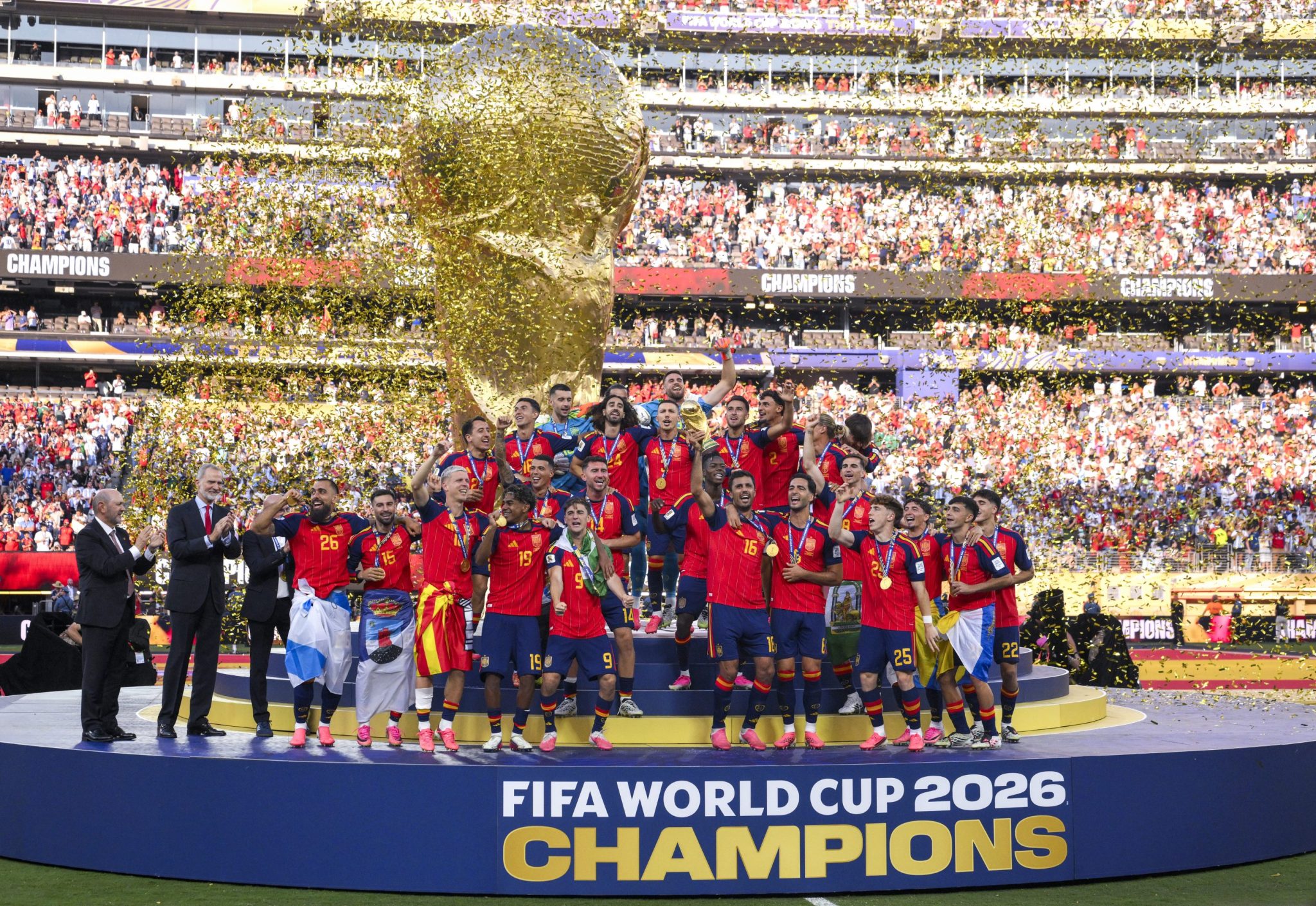
FIFA said the 2026 World Cup helped push its 2023-2026 commercial cycle above $15 billion, the strongest financial result the governing body has reported for the tournament period. The total gives FIFA a strong business case for more growth, even after months of criticism over ticket costs and access for fans.
FIFA president Gianni Infantino told representatives of member associations Saturday that the tournament had created new commercial openings for the organization. About a year earlier, FIFA had projected roughly $8.9 billion in revenue for the cycle; by April, it said the World Cup alone would generate about $11 billion, and Infantino said over the weekend that the full cycle would exceed $15 billion.
The expanded format was a major factor in the financial result. FIFA increased the field to 48 national teams from 32, raising the number of matches to 104 from 64 and allowing just under one-quarter of FIFA-affiliated national teams to take part.
FIFA said demand was broad during the ticket application period. The governing body reported more than 500 million ticket requests from residents in all 211 countries and territories in its membership during a 33-day window between December and January.
Antonio Di Cianni, director of advisory at Football Benchmark, told CNBC that stadium use during the group stage was 99%, effectively a sellout level. That demand held despite prices that made the 2026 event the most expensive World Cup to date, according to figures cited by Fortune.
During the group stage, FIFA sold some tickets for as much as $575, compared with a $220 maximum for group-stage tickets at the 2022 World Cup in Qatar, Fortune reported. FIFA also used dynamic pricing for the first time, which at points lifted some group-stage tickets above $1,000.
Prices climbed further on secondary platforms. SeatGeek representatives told The Athletic that the average ticket price for Sunday’s final on its platform was $12,751, while Fortune reported that at least one ticket on FIFA’s resale platform was listed at $2.3 million.
The pricing strategy drew political criticism during the tournament. Reuters reported that U.S. lawmakers accused FIFA of putting revenue ahead of fan access and urged the organization to cut prices. FIFA also faced criticism after Fortune reported that it took a 15% fee from both buyers and sellers on tickets resold through its official platform.
Record audiences add to FIFA’s case
The tournament also produced strong U.S. television numbers. The Guardian reported that the U.S. team’s round-of-32 win over Bosnia and Herzegovina drew more than 24 million viewers across Fox and Telemundo, setting a U.S. television record for an English-language soccer broadcast.
The Athletic reported that Mexico’s round-of-16 defeat to England drew 23.2 million viewers across Telemundo and Peacock with Spanish-language commentary. The outlet said that figure set a U.S. media record for a Spanish-language soccer match.
FIFA is already considering whether to expand again. Infantino confirmed Saturday that member associations are discussing a 64-team World Cup, though he said the proposal would have to be reviewed by FIFA’s members. Such a tournament would include nearly one-third of FIFA’s member countries and would increase the match count to 128.
Mark Conrad, director of the sports business concentration and a professor of law and ethics at Fordham University’s Gabelli School of Business, told Fortune that adding teams and matches could raise the value of future television deals by creating more advertising inventory and more national audiences. He said the 2030 tournament’s status as the World Cup’s 100-year edition could also make it more attractive to advertisers.
Conrad told Fortune that fans should not expect FIFA’s financial gains to bring cheaper tickets. He said prices are likely to remain high at the next World Cup and that FIFA is likely to use a similar approach to pricing oversight.
This story draws on original reporting from Fortune.