
Donalds proposes private utility mandate for AI data centers
The Florida governor candidate wants Congress to bar AI data centers from relying on public power grids and water systems.
By Hana Yoshida · Markets Reporter
3 min read
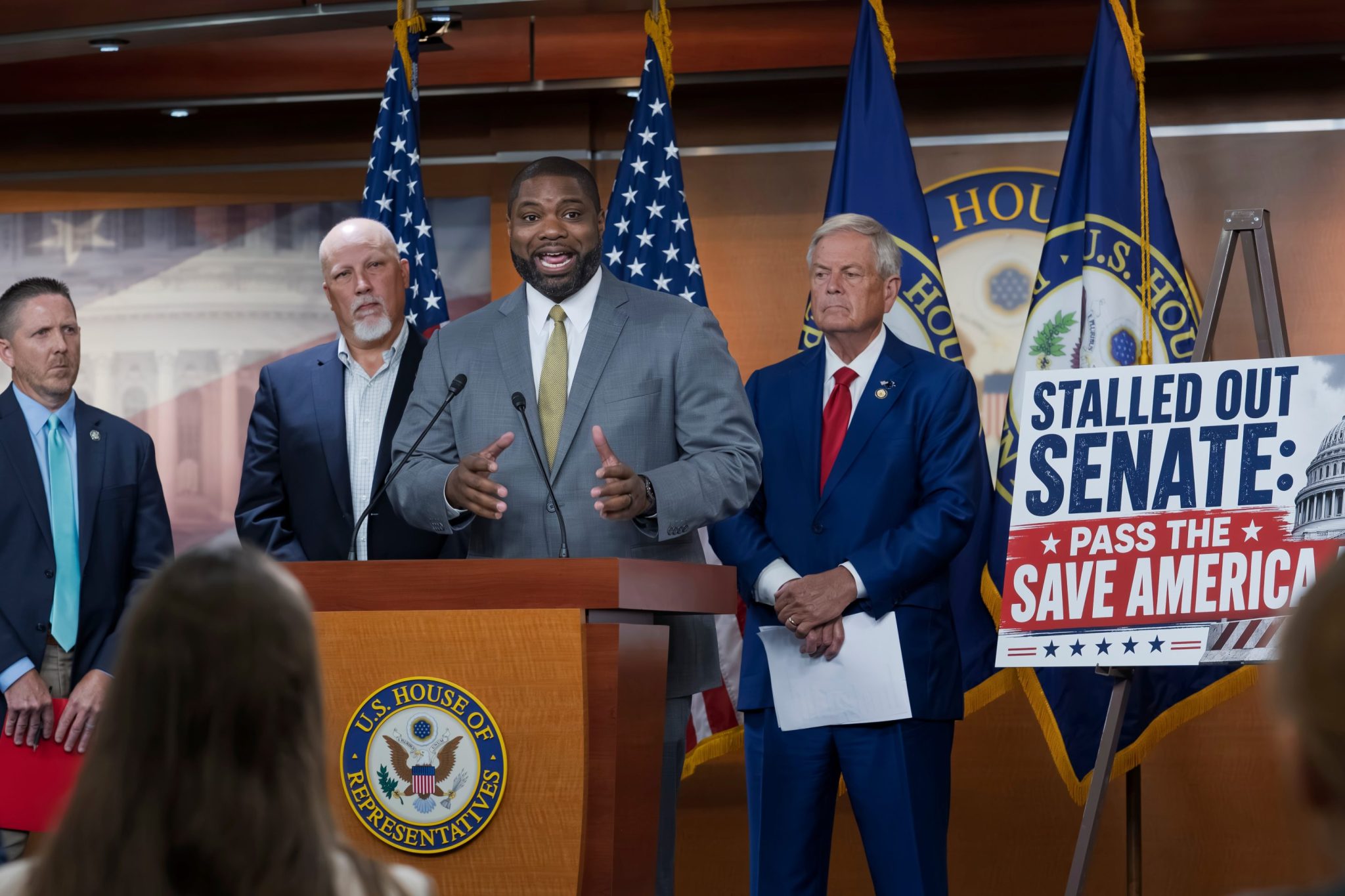
Republican Rep. Byron Donalds, a candidate for Florida governor, proposed federal legislation Monday that would force artificial intelligence data centers to secure their own electricity and water instead of drawing from public utilities, according to The Associated Press. The plan targets growing voter concern that the fast buildout of AI infrastructure could raise household bills and strain local resources.
Donalds told the AP that companies building the facilities are willing to absorb utility costs if that is what it takes to get projects built. He said the best way to answer public concern is to make sure residents do not see higher bills during construction and operation of the centers.
The bill would require data centers to meet all power and water needs through private sources rather than the electric grid or public water systems, according to the AP. The proposal tracks with a voluntary effort backed earlier by President Donald Trump, the AP reported.
Donalds’ move is politically notable because Trump and pro-AI political action committees are supporting his campaign, according to the AP. The Trump administration has also aligned itself with major technology companies at the center of the AI boom, while those companies race to build the computing infrastructure needed for new AI systems.
Several major technology firms have reached agreements with the Trump administration to pay for new power generation instead of passing those costs to residential customers, the AP reported. The AP said it remains unclear whether those voluntary commitments can be enforced as power demand rises.
Opposition to data centers has grown in Florida and elsewhere as construction accelerates. The AP reported that more than 20 Florida counties and municipalities have rejected major data center projects, while other local governments have imposed bans lasting at least a year.
Local officials and residents have cited possible increases in utility costs, disruption to communities and environmental harm as reasons for slowing or blocking projects, according to the AP. Those concerns have created pressure on technology companies from both the left and the right.
Matt Gorman, a Republican strategist, told the AP that tech companies failed to anticipate how quickly public opinion was changing. Gorman said progressive climate activists and conservative populists have both taken up the issue, and that companies need to explain their plans and answer concerns across party lines.
Donalds is running to replace Republican Gov. Ron DeSantis, who in May signed a Florida law requiring large-scale data centers to cover their own energy and water costs, according to the AP. Donalds told the AP that if elected governor, he would push for more efficient data center operations and steer facilities away from population centers.
Donalds told the AP that policymakers also need to address how the country and states will produce steady power for future demand, including from large data centers. He said his goal is to protect ratepayers and Florida’s water supply if the facilities are built.
The issue has already become part of Florida’s governor’s race. James Fishback, described by the AP as a far-right Republican candidate, has made opposition to data centers a major part of his primary challenge to Donalds. David Jolly, a former congressman and leading Democratic candidate for governor, called this month for a moratorium on data center construction, according to the AP.
Travis Fisher, a fellow at the Cato Institute, told the AP that public companies generally seek the most favorable access to public utilities. Fisher said any willingness by technology firms to pay more for energy and water shows the political risk they face if communities decide the projects should be blocked.
This story draws on original reporting from Fortune.