
College students reading books less, Amherst professor says
An Amherst College professor says fewer students arrive ready to finish long texts, a shift reflected in national reading data.
By Hana Yoshida · Markets Reporter
3 min read
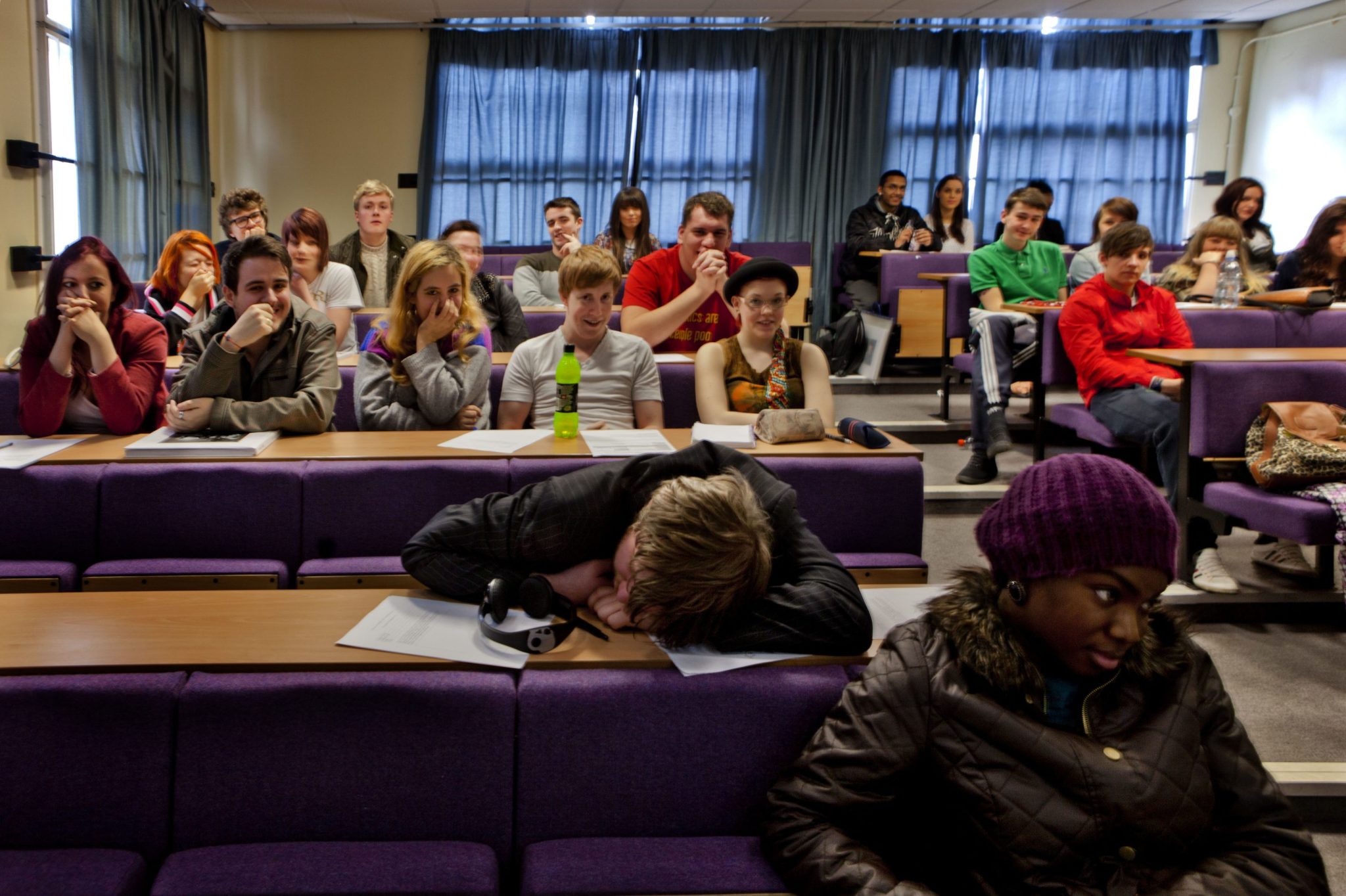
An Amherst College professor says college students reading books from start to finish has become a shakier assumption in humanities and social science classes. In commentary published by Fortune and adapted from The Conversation, the professor said students increasingly ask how to skim assigned work rather than how to understand it closely.
The concern matters beyond one campus because several measures cited in the commentary point to a wider decline in long-form reading. The professor linked classroom changes to shifts in high school assignments, adult reading habits and reading proficiency among older students.
Why are college students reading fewer full books?
A 2024-2025 survey of 1,250 high school English teachers found they assigned an average of 2.81 complete books per year, according to the commentary. A comparable 2008-2009 survey of 400 teachers put the average at four books annually.
The professor also cited a New York Times report that some high school students now read only excerpts rather than entire books. The argument is that many students may arrive at college having had less practice sustaining attention across long texts.
Adult reading has slipped as well, according to Sunil Iyengar, director of research at the National Endowment for the Arts. In 2024 findings cited by the professor, Iyengar reported that 49% of adults said they had read at least one book in the previous year, down from nearly 55% a decade earlier.
Reading proficiency data also show strain. The professor cited National Assessment figures showing 32% of 12th graders below basic reading levels in 2025, compared with 24% in 2002. Martin West, a Harvard education professor, has said U.S. literacy skills reached a high point in the mid-2010s and have declined since, according to the Harvard Gazette item cited in the commentary.
What does finishing a book teach?
The Amherst professor argues that full-length reading builds abilities that excerpts and summaries do not exercise in the same way. Long texts require patience, attention and the effort to follow an argument or plot over time.
The commentary frames the issue as part of a longer history in higher education. The professor noted that American colleges faced reading-readiness problems in the 19th century as access expanded, and that institutions including the University of Wisconsin developed preparatory reading programs later copied elsewhere.
The professor said today’s problem appears different because students are not necessarily below admissions standards. The claim is that many have come through a K-12 system that has asked less often for complete-book reading.
At Amherst, the professor and several colleagues recently offered a three-week course called “Why Read?” built around essays on reading by scholars including Martha Nussbaum and Edward Said. The professor said students showed interest, but their readiness for long, difficult work varied widely.
The commentary closes with a call for colleges to explain why reading whole books matters before assigning demanding texts. The professor said a short course will not reverse entrenched habits, but argued that higher education must address the problem directly.
This story draws on original reporting from Fortune.