
World Cup tests African football solidarity amid political disputes
A record African showing at the 2026 World Cup has been accompanied by sharper debate over when fans should support teams from the continent.
By Lucas Ferreira · Science & Environment Writer
4 min read
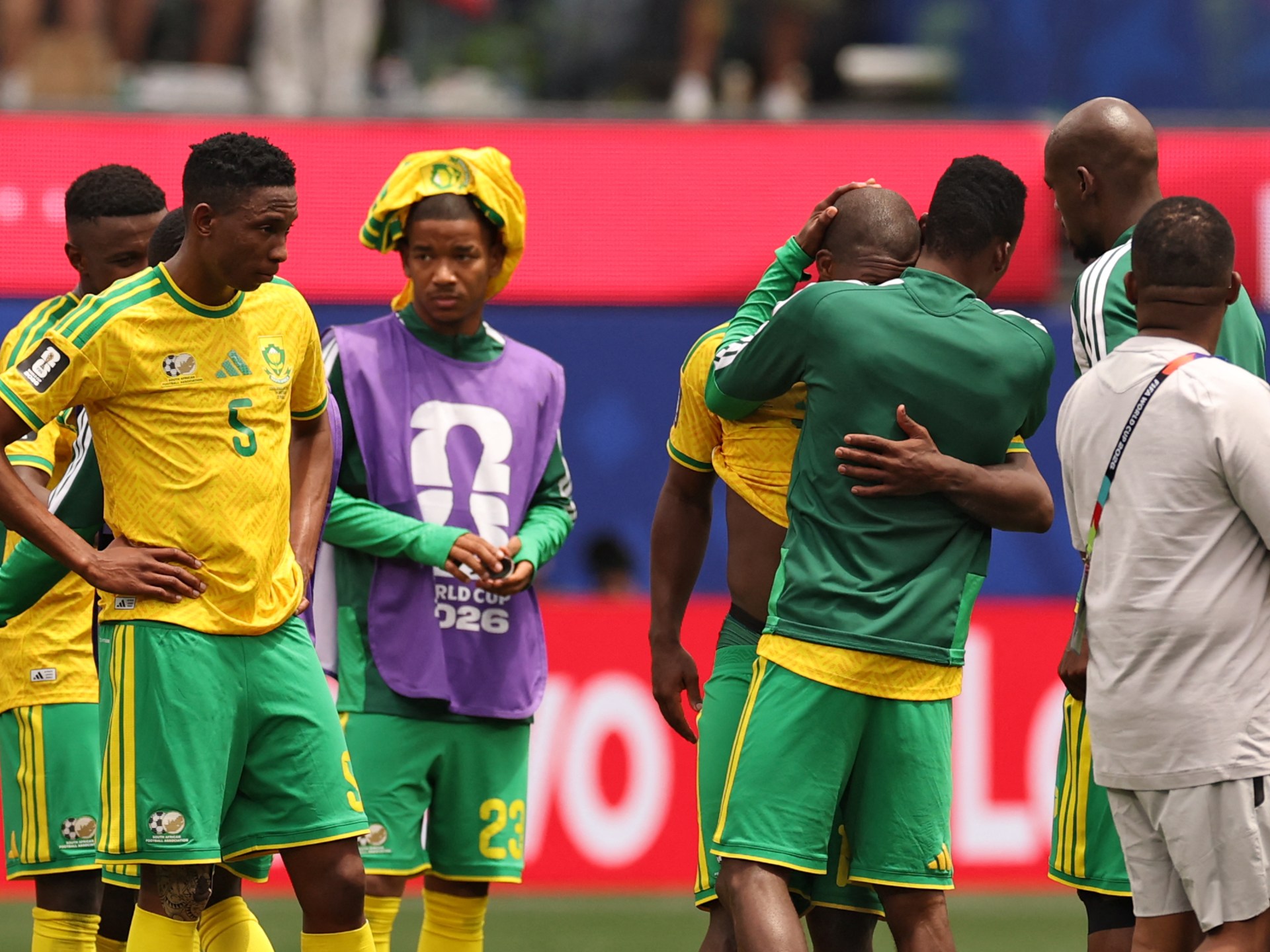
The 2026 FIFA World Cup has become a stage for a broader argument over African football solidarity, with some fans tying support for national teams to domestic politics and migration policy. Writing for Al Jazeera, analyst Afolabi Adekaiyaoja said the tournament shows a shift toward a more conditional form of pan-African backing.
The debate sharpened around South Africa before its June 18 match against Czechia, according to Adekaiyaoja. Captain Ronwen Williams addressed online criticism aimed at the team, much of it from other Africans angry over South Africa’s treatment of migrants from elsewhere on the continent, and said he hoped football could bring people together while politics was left to politicians.
Adekaiyaoja wrote that African fans have often rallied behind the continent’s teams in global tournaments, citing quarterfinal runs by Cameroon in 1990, Senegal in 2002 and Ghana in 2010, as well as Morocco’s semifinal appearance in 2022. That tradition is now being tested during a World Cup with a record 10 African teams.
The tournament has also delivered Africa’s strongest group-stage performance, according to Adekaiyaoja: nine of the 10 African sides reached the round of 32. He cited praise for Cape Verde, DR Congo and Egypt after they took points from stronger opponents, and for Ivory Coast and Ghana after they recorded wins.
South Africa draws scrutiny
South Africa’s team has carried the heaviest political burden, Adekaiyaoja wrote, because of the country’s history of xenophobic violence against African migrants and the rise of movements such as Operation Dudula, which has mobilised anti-immigrant sentiment under economic grievances.
On the day South Africa opened its campaign against Mexico, 268 repatriated Nigerian nationals arrived in Lagos, according to Adekaiyaoja. He also cited South Africa’s Home Affairs ministry as saying 586 Nigerians had been processed for repatriation.
The episode resonated in Nigeria because of the country’s anti-apartheid history, Adekaiyaoja wrote. He noted that Nigeria chaired the United Nations Special Committee Against Apartheid for decades and that a 2 percent civil-service contribution known as the “Mandela Tax” helped raise $10.5m for the Southern Africa Relief Fund by 1977.
South Africa advanced from its group but was eliminated on June 28 in a 1-0 loss to Canada, according to Adekaiyaoja.
Morocco’s support becomes more complicated
Adekaiyaoja also pointed to Morocco as a team whose standing among African fans has changed since 2022. He wrote that the Atlas Lions drew continental support during their semifinal run after beating Belgium, Spain and Portugal, and also gained backing because of a pro-Palestine posture and their former coach’s embrace of an African identity.
Since then, he wrote, Morocco’s position on Western Sahara and documented anti-Black racism toward sub-Saharan Africans have complicated that support. He also cited anger over the last African Cup of Nations final, when the Confederation of African Football stripped Senegal of the title and awarded it to Morocco, leaving the legitimacy of Morocco’s championship contested in court and in public debate.
At this World Cup, Morocco opened with a 1-1 draw against Brazil and beat the Netherlands on penalties on June 29 to reach the last 16, according to Adekaiyaoja.
Host-country politics and visas
The tournament, hosted by the United States, Mexico and Canada, has also drawn attention over US travel policy, Adekaiyaoja wrote. He cited the case of Somali referee Omar Artan, named Africa’s best referee and selected by FIFA for the World Cup, who was held in Miami for 11 hours and deported over what were described as “vetting concerns.”
Adekaiyaoja wrote that Artan received support across Africa and a welcome in Mogadishu, as well as an appointment to referee a match between the winners of Europe’s top club competitions. He also noted complaints from Ivory Coast and Senegal fans who were denied visas to attend the tournament.
African teams have defended their place in the expanded competition, Adekaiyaoja wrote, including by joining other nations in a statement rejecting comments by UEFA president Aleksander Ceferin that expansion would create many uninteresting matches. For Adekaiyaoja, the online reaction around the World Cup suggests African solidarity remains strong but is increasingly shaped by public judgments about reciprocity, legitimacy and shared causes.
This story draws on original reporting from Al Jazeera.