
German prosecutors say Ukraine directed Nord Stream sabotage
A former Ukrainian army officer is accused in Germany of leading the 2022 pipeline attack on behalf of Ukrainian state authorities.
By Lucas Ferreira · Science & Environment Writer
3 min read
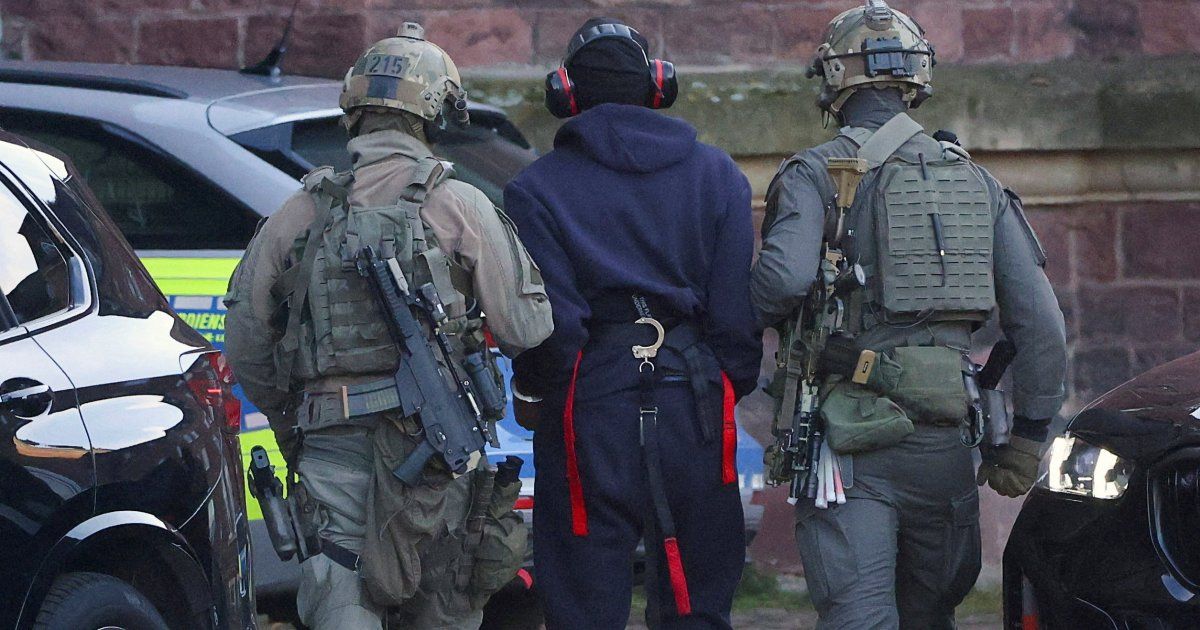
German prosecutors have charged a former Ukrainian army officer over the 2022 Nord Stream pipeline explosions, alleging he helped carry out the attack at the direction of Ukrainian state authorities. The case places a politically sensitive sabotage investigation inside a German court, with Kyiv saying it needs more information before responding in detail.
Prosecutors filed the charges on Thursday at a regional court in Hamburg against a man identified under German privacy rules as Serhii K, Al Jazeera and Reuters reported. The indictment accuses him of taking part in a war crime by helping attack civilian infrastructure, trigger an explosion, destroy key facilities and disrupt public services.
Serhii K has denied any role in the blasts, according to Al Jazeera and Reuters. Ukrainian officials said they did not have enough information about the German allegations to give a fuller response.
Ukrainian President Volodymyr Zelenskyy said Wednesday that he had not yet received the complete details of the indictment. He said Ukrainian and German authorities would be in contact and that Kyiv could respond after receiving more information.
Prosecutors describe alleged boat operation
The Nord Stream pipelines were hit by explosions in September 2022, about seven months after Russia began its full-scale invasion of Ukraine. Nord Stream 1, a major route for Russian gas exports to Europe, was damaged, as was Nord Stream 2, which had not started commercial service.
German prosecutors allege Serhii K was serving as an officer in Ukraine’s army in 2022. According to the indictment described by Al Jazeera and Reuters, he led a group that included divers, a boat captain and an explosives specialist into Germany using a forged Ukrainian passport.
The indictment says the group rented a boat with false documents, moved military-grade explosives through international waters, and reached an area near the Danish island of Bornholm. Prosecutors allege the team attached explosives to the pipelines on the Baltic Sea floor and used timers to detonate them.
Prosecutors said the alleged objective was to stop gas deliveries through the pipelines for good and prevent Russia from earning natural gas revenue that could support its war. Russia and some Western governments described the explosions at the time as sabotage, Al Jazeera and Reuters reported.
Energy dispute framed the attack
When the pipelines were damaged, Moscow had already stopped deliveries to Europe through Nord Stream 1. Russia cited Western sanctions and technical problems, while European governments accused Moscow of using energy supplies as leverage.
Serhii K was arrested in Italy in August and transferred to Germany in November, according to Al Jazeera and Reuters. German prosecutors say the charge of directing an attack against civilian objects carries a minimum prison term of three years under German law.
German courts have said the case falls under German jurisdiction because the pipelines end at Lubmin, in the German state of Mecklenburg-Vorpommern, and because the damage affected German energy security.
This story draws on original reporting from Al Jazeera.