
Heat warnings raise safety concerns for World Cup knockout matches
Several World Cup host cities face dangerous heat as knockout games proceed in exposed stadiums and fan areas.
By Daniel Okafor · Business Editor
3 min read
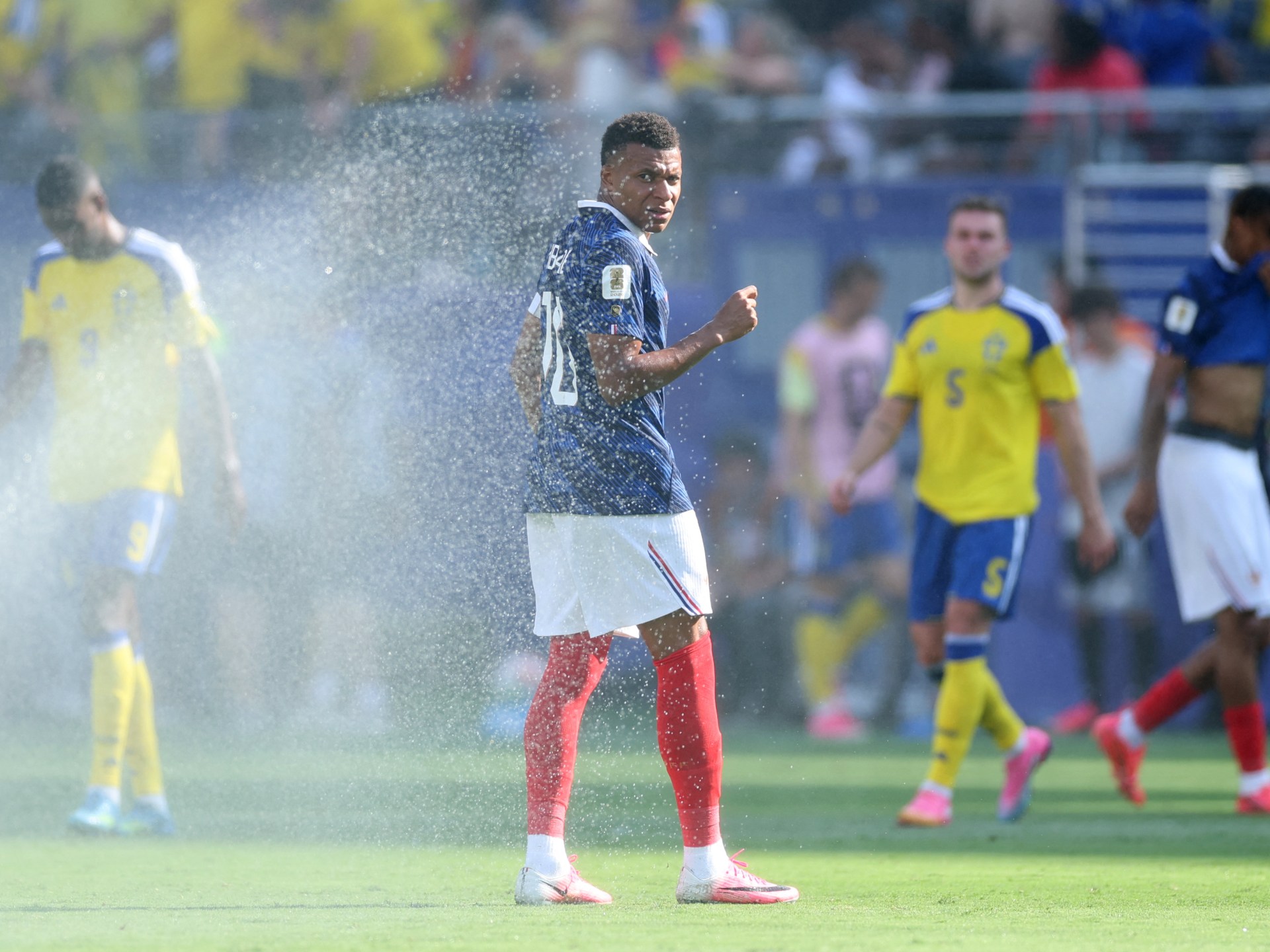
A severe heat wave across North America is forcing World Cup organizers, health officials and fans to confront dangerous conditions during the knockout stage. Al Jazeera, citing AFP, AP and Reuters, reported that a heat dome over parts of the United States and Canada is expected to push temperatures above 43C in some host cities this week.
The immediate concern is Thursday’s Round of 32 match between Portugal and Croatia in Toronto. Toronto health authorities urged supporters going to Toronto Stadium to drink water and limit alcohol after Environment Canada issued a heat warning, according to Al Jazeera.
Michelle Murti, Toronto’s medical officer of health, said humidity could make conditions feel like 40C. The risk is sharpened by the venue: Al Jazeera reported that the stadium’s World Cup expansion includes limited roof cover, leaving about 43,000 spectators exposed to the sun.
Several knockout games face heat risks
Friday’s Colombia-Ghana match in Kansas City is scheduled under an extreme heat warning, with the heat index forecast to reach 43C, according to Al Jazeera. Miami, where Argentina are due to play Cape Verde the same day, is expected to face moderate to major heat risk over the weekend.
Philadelphia could see similar conditions for Saturday’s Paraguay-France match. Al Jazeera reported that temperatures there are forecast to reach 39C, with a heat index as high as 43C. FIFA has reduced operating hours for its Fan Festival in Philadelphia because of the heat, according to the report.
Some World Cup venues offer more protection than others. Al Jazeera reported that stadiums in Atlanta, Dallas and Houston have retractable roofs and air conditioning, while venues in Toronto, Philadelphia and Kansas City rely more on shade, misting stations and cooling zones for spectators.
Risks extend beyond the seats
Even indoor or covered stadiums do not remove all heat hazards. In Dallas, National Weather Service meteorologist Jennifer Dunn told Al Jazeera that pavement outside the stadium could reach 50C while the air temperature is about 32C.
Dunn said concrete can take in and reflect heat, raising surface temperatures around parking areas, transit stops and fan zones. That means supporters may face the highest exposure while walking to venues, even if the match itself is played in a climate-controlled setting.
Heat also affects players. Al Jazeera reported that heat illness during intense exercise can cause dehydration, dizziness, cramps, headaches and severe fatigue, and that exertional heat stroke is a medical emergency and the third-leading cause of death in athletes.
High temperatures can alter the way matches are played, according to the report. Players may sprint less, cover less ground and manage their effort more carefully, changing the tempo of games.
FIFA measures and fan advice
FIFA has introduced two mandatory three-minute hydration breaks in every match, around the middle of each half, regardless of conditions or whether the venue is indoors, according to Al Jazeera. FIFA President Gianni Infantino has rejected criticism that the pauses are for broadcast revenue, saying the reason is heat and that the organization gains “absolutely nothing” from them.
Al Jazeera reported that teams may also use up to five substitutions, matches are separated by at least three rest days, and climate-controlled benches are available for staff and substitutes at outdoor stadiums. FIFA said in April that it had limited outdoor matches in the hottest parts of the day, adjusted some kickoff times and directed warmer-window games toward covered stadiums where possible.
Health experts advise fans to drink water before they feel thirsty, seek shade or air conditioning, reduce alcohol use and avoid long stretches in direct sunlight, according to Al Jazeera. Medical teams are expected at FIFA Fan Festival sites and stadium areas, while some host cities have added shade, cooling spaces and free water for fans and workers.
This story draws on original reporting from Al Jazeera.