
Traditional midwives fill care gaps in rural Colombia
In remote areas of Colombia, parteras support pregnancies and births where hospitals are distant, transport is costly and medical access is limited.
By Lucas Ferreira · Science & Environment Writer
4 min read
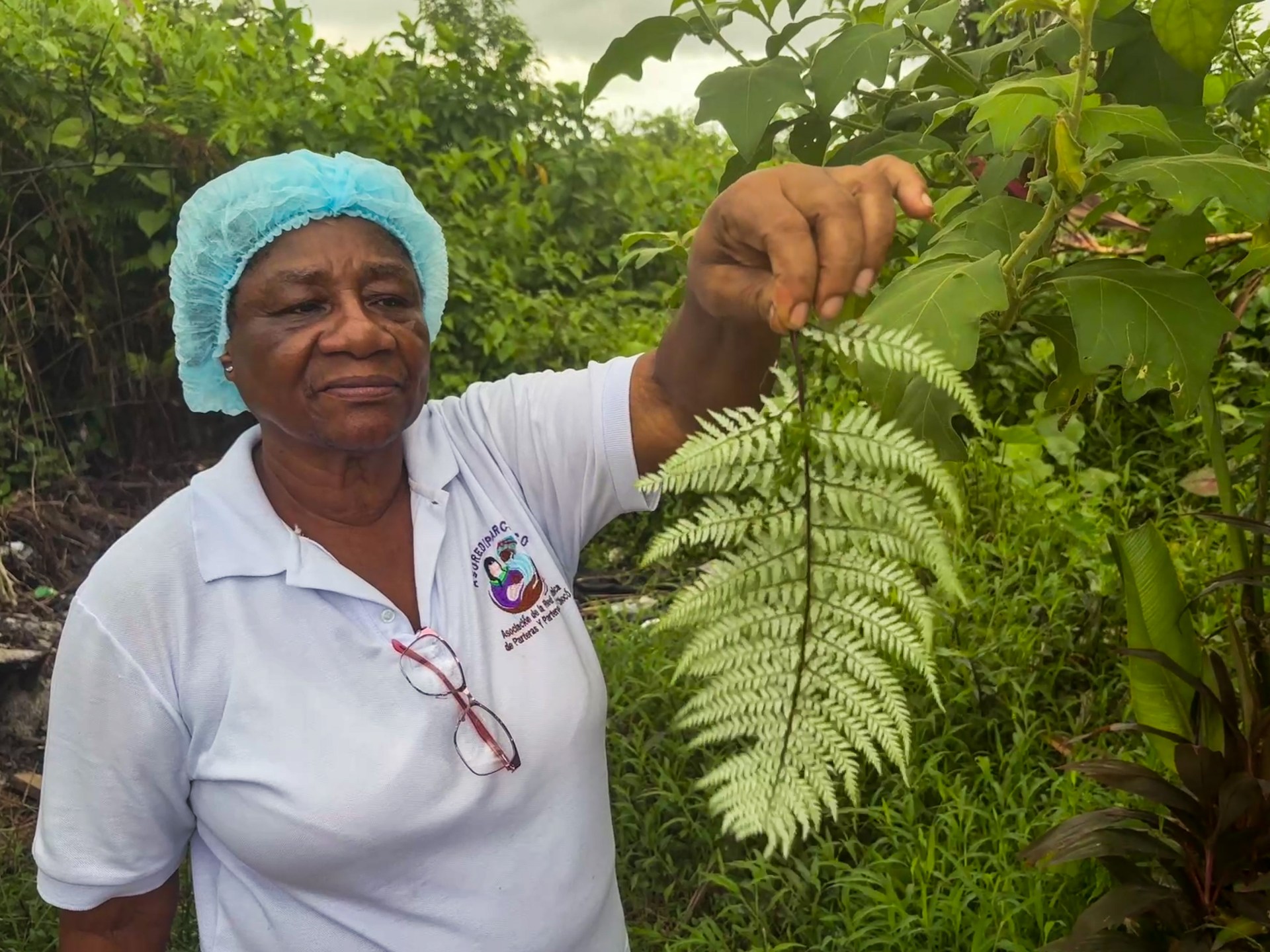
Traditional midwives are providing frontline maternal care in remote Colombian communities where hospitals may be hours or days away, Al Jazeera reported. Their role matters most in areas where poor roads, river travel, armed groups and the cost of transport can delay urgent care for pregnant women and newborns.
Nohemí Manco, a midwife in the coastal department of Choco, told Al Jazeera she delivered her first baby at 14 when her sister went into labour in the municipality of Unguía and no one else was available. Manco said she had learned by watching her mother support pregnant women, including how to cut an umbilical cord, use teas for pain and care for mothers after birth.
Now 53, Manco estimates she has attended about 1,200 births in Choco, according to Al Jazeera. She is part of Colombia’s tradition of parteras tradicionales, who serve many Afro-descendant and Indigenous communities by tracking pregnancies, attending deliveries and helping mothers after childbirth.
Rural risks and limited services
Liany Katerine Ariza Ruiz, a maternal health inequality researcher at Pontificia Universidad Javeriana in Bogotá, told Al Jazeera that rural areas account for a higher proportional concentration of maternal deaths. She said midwives are often the most steady care available in those communities.
Colombia’s Institute of Health recorded a national maternal mortality rate of 44.5 deaths per 100,000 live births in 2023, Al Jazeera reported. In Choco and Narino, the rate was above 76 deaths per 100,000 births.
Choco is among Colombia’s poorest departments, and Al Jazeera reported that some women cannot afford transport even when appointments are free. In many communities, travel depends on rivers, and some areas lack paved roads, mobile service or electricity.
Security also affects access. Ariza Ruiz told Al Jazeera that moving a sick pregnant woman by river at night can be extremely difficult in areas where armed groups restrict movement.
Calls for cooperation
Midwives interviewed by Al Jazeera said they have faced mockery, exclusion and discrimination from parts of the formal health system. Yuvianis Florez, a 36-year-old midwife, said the tradition had felt at risk because of that treatment.
The midwives said they do not oppose modern medicine and want closer cooperation with doctors and nurses. A survey published in May found at least 1,742 traditional midwives active along Colombia’s Pacific region, Al Jazeera reported; about 11 percent are men, nearly half are older than 60 and 40 percent are illiterate.
Manco belongs to the Association for the Interethnic Midwives Network of Choco, or ASOREDIPARCHOCÓ, which links parteras to training and peer support. Al Jazeera reported that the group also helps connect midwives, health institutions and pregnant women.
Visitacion Perea, a 64-year-old partera in Yuto who also works as a nurse at a local health centre, told Al Jazeera she sees her role as educating women and directing them to medical care when needed. In one recent case, she said she advised people caring for a woman who was bleeding after losing a baby, then urged hospital care the next day after the bleeding stopped.
Recognition and limits
The United Nations Population Fund and Colombia’s Agency for Territorial Renewal have supported community birthing spaces, equipment such as thermometers and blood pressure monitors, and joint workshops for parteras and medical workers, Al Jazeera reported. In Choco and some other areas, midwives can be certified to complete birth notification forms.
Alina Bravo, Choco’s health secretary, told Al Jazeera that trained midwives can act as first responders where health infrastructure is thin. She said only Quibdo, among Choco’s 31 municipalities, has specialist doctors, and even there services are limited.
Martha Lucia Rubio, an assistant representative for UNFPA Colombia, cautioned that trained midwives with supplies cannot replace a functioning health system. She told Al Jazeera that midwives need support and close coordination with formal medical services.
Midwives such as Manco say they also want pay and recognition for work that is often unpaid. Al Jazeera reported that parteras pass knowledge through local ranks, from “semilla,” or seed, to “experta,” or expert, preserving practices rooted in each community.
This story draws on original reporting from Al Jazeera.