
Accra reparations summit presses for action after UN slavery vote
Ghana meeting urges apologies, restitution and debt relief as African and Caribbean leaders seek momentum on reparatory justice.
By Sofia Marchetti · World Affairs Correspondent
3 min read
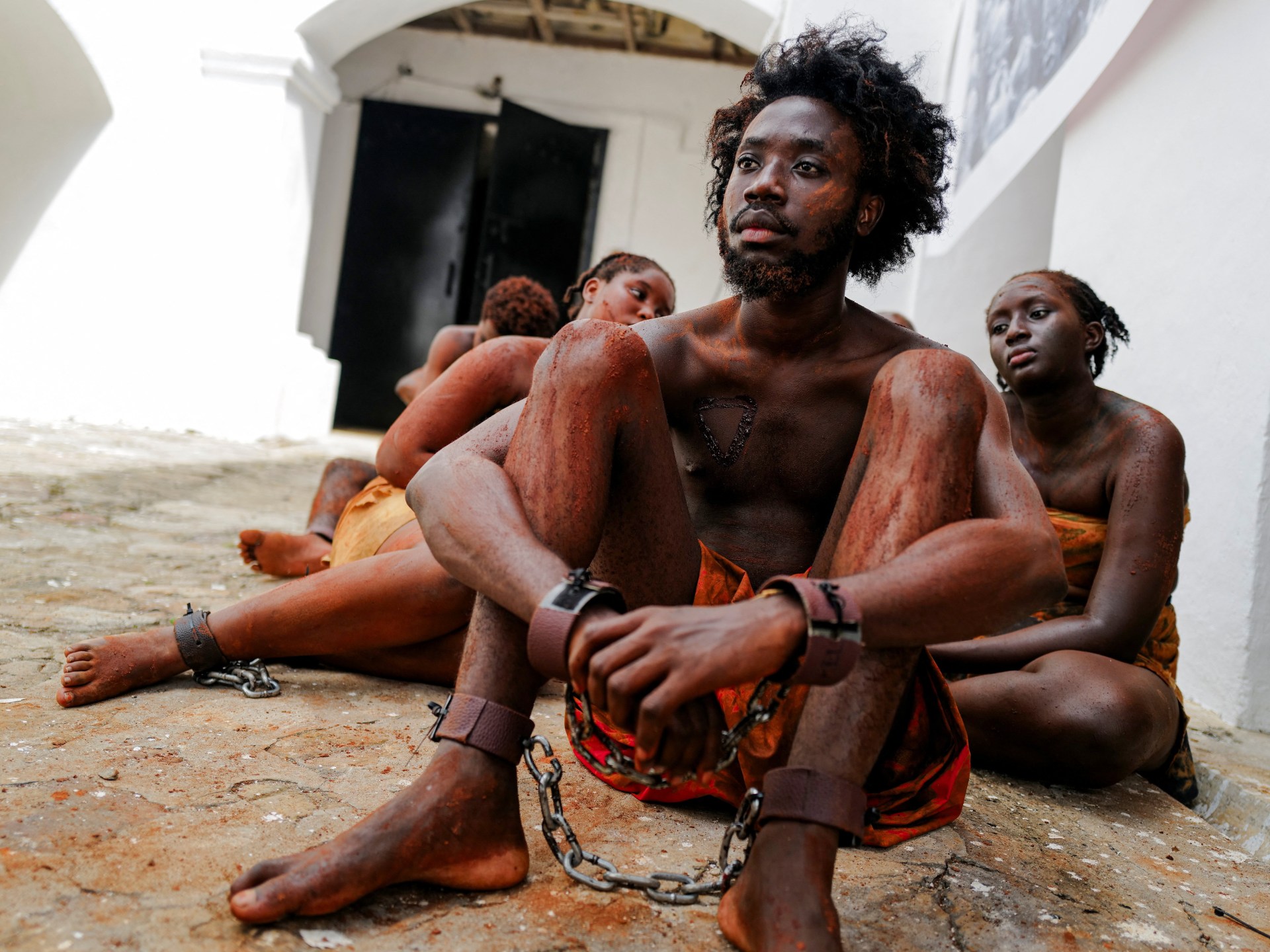
A three-day meeting in Accra has sharpened international calls for reparations tied to the transatlantic slave trade, Al Jazeera reported. The gathering followed a recent United Nations General Assembly resolution that recognised the trafficking of enslaved Africans and racialised chattel slavery as among the gravest crimes against humanity.
The conference, called “Next Steps,” brought together heads of state, policymakers, legal specialists, academics, civil society organisations and members of the African diaspora, according to Al Jazeera. Its purpose was to set out practical measures after the UN vote, which was backed by 123 countries and was the first General Assembly resolution devoted only to slavery and the transatlantic trade in enslaved Africans.
Part of the event took place at Christiansborg Castle, also known as Osu Castle, in Ghana’s capital. Al Jazeera reported that actors and students staged a re-enactment there to depict part of the ordeal faced by Africans held before being forced onto ships across the Atlantic.
What the Accra framework calls for
The meeting ended with a 19-point framework, according to Al Jazeera. It called for formal apologies by states and institutions that benefited from slavery, mechanisms to handle reparations, the return of cultural objects and human remains, debt relief, education programmes and wider international coordination.
The conference outcome document said the consequences of slavery remain visible through “structural inequalities, economic disparities, systemic racism, cultural erasure and development challenges.”
Mubarak Aliyu, a West Africa and Sahel political and security risk analyst, told Al Jazeera the Accra meeting renewed attention on financial reparations, the return of looted artefacts and education about the Atlantic slave trade. He said African governments were continuing to seek accountability, but argued that more states on the continent would need to work together to strengthen the campaign.
Pressure on former slave-trading powers
Al Jazeera reported that Portugal, Britain, France, Spain and the Netherlands are often cited in reparations debates because of their roles in the transatlantic slave trade. Historians estimate that Portugal carried more enslaved Africans across the Atlantic than any other European power, while Britain became a leading force in the 18th century, and France, Spain and the Netherlands profited from slave-trading systems and plantation economies in the Americas.
Responses from European governments have differed. Al Jazeera reported that the Netherlands apologised in 2022 for its role in slavery, France recognised slavery as a crime against humanity in 2001, and Britain has expressed regret without agreeing to reparations.
French President Emmanuel Macron, speaking to the Accra conference by video, acknowledged slavery’s history and said reparations should be part of a continuing process of recognition and engagement, according to Al Jazeera. Ghanaian President John Dramani Mahama said the meeting was meant to move beyond symbolism and announced three international bodies focused on reparatory justice, cultural restitution and legal affairs.
Next steps remain unsettled
Al Jazeera reported that African states and Caribbean Community countries have increasingly coordinated on reparations, including demands for apologies, development support, debt relief and programmes addressing the legacy of slavery and colonialism. Supporters at the conference argued that slavery and colonial exploitation still affect wealth, development and access to global financial systems.
There is still no international agreement on what reparations should include, according to Al Jazeera. Proposals range from direct compensation and debt relief to the return of cultural property, education spending and institutional changes.
Civil society groups, historians and diaspora organisations continue to press the issue internationally. Al Jazeera reported that campaigners view the Accra meeting as part of a longer effort to secure recognition, responsibility and policy action over slavery’s lasting effects.
This story draws on original reporting from Al Jazeera.