
Heat dome pushes Europe into red-alert heat
Extreme heat has triggered top-level alerts in parts of Europe as officials warn of health risks, fires and travel disruption.
By James Whitfield · Staff Writer
3 min read
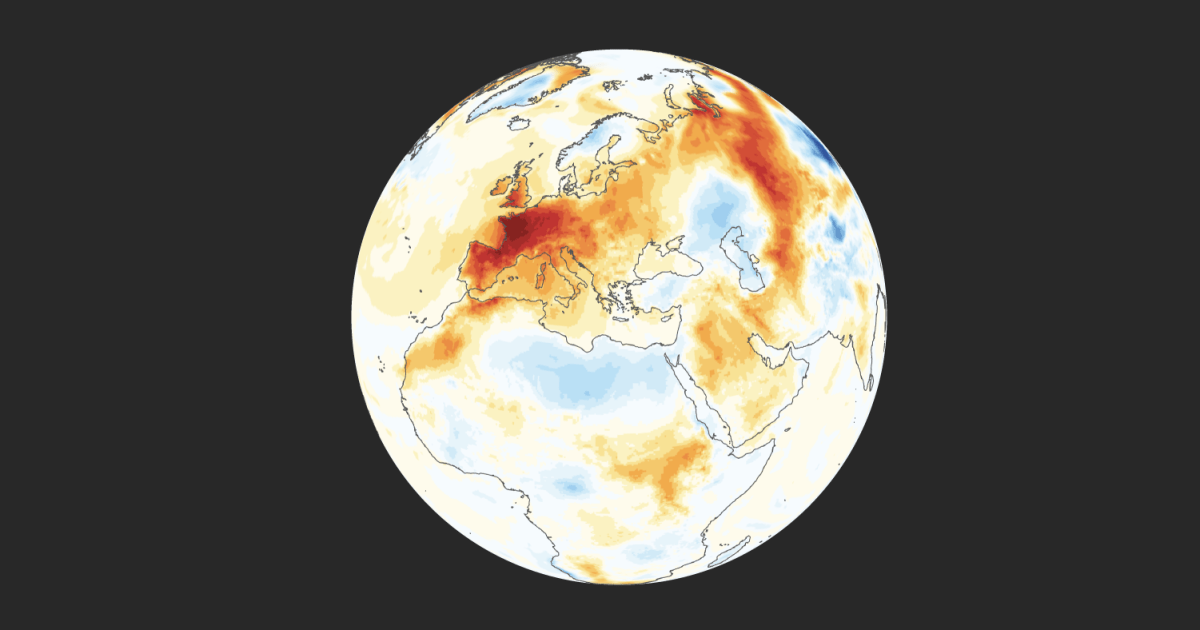
A severe heatwave has spread across much of Europe, triggering the highest red alerts in parts of the United Kingdom, France, Spain and Italy, Al Jazeera reported. Authorities have warned that the heat could threaten health, raise wildfire danger and disrupt travel.
Officials have imposed emergency measures as temperatures near record levels, according to Al Jazeera. In France, some areas under red alert introduced a local alcohol ban, Germany issued heat warnings nationwide, and Madrid cancelled a World Cup fan zone screening after temperatures reached 39C, or 102F.
Heat dome traps hot air
Al Jazeera said the heat is being driven by a stubborn zone of high pressure over Western Europe, often called a heat dome. The system has held hot air in place while bringing clear skies, light winds and long periods of sunshine.
Hot air moving north from North Africa has added to the high temperatures, Al Jazeera reported. Warm seas around the UK, Ireland, France and the western Mediterranean have also helped keep coastal areas hot, especially overnight.
Spain’s port authority said coastal waters near Spain have reached record warm levels, according to Al Jazeera. Copernicus data cited by Al Jazeera showed daily average temperatures in western France, England and Wales more than 12C above the 1991-2020 baseline.
Scientists cited by Al Jazeera said the early-season heat fits a wider warming pattern. Europe is the fastest-warming continent, with temperatures increasing by about 0.56C per decade since the mid-1990s, more than twice the global average.
Climate change is making heatwaves more common, stronger and more likely to occur outside the traditional peak of summer, scientists told Al Jazeera. The continent is also exposed because many homes and public systems were not designed for long spells of extreme heat; only about 20 percent of European homes have air conditioning, Al Jazeera reported.
How temperatures are measured
Al Jazeera compared maximum temperatures in five European capitals on June 24 with cities in the Middle East, North Africa and Asia, where high heat is more common. The comparison showed how unusual the European heat has become, especially in places with less cooling infrastructure.
Official temperature readings come from weather stations around the world, Al Jazeera explained. Stations typically use platinum resistance thermometers housed in shaded Stevenson screens, with measurements taken 1.25 to 2 metres, or 4 to 6.5 feet, above the ground.
That method is meant to record air temperature in a way that reflects what people experience, according to Al Jazeera. Most countries use Celsius, while a small number, including the United States, use Fahrenheit.
Forecasts also often include a “feels like” temperature because air temperature alone does not capture the strain on the body, Al Jazeera reported. Humidity slows sweat evaporation, wind can help cooling in hot weather, and direct sun can make the same thermometer reading feel hotter than it does in shade.
This story draws on original reporting from Al Jazeera.