
Rubio rejects Iranian fees for ships in Strait of Hormuz
The US and Iran are at odds over whether Tehran can charge ships using the key Gulf waterway during talks on a wider peace deal.
By Lucas Ferreira · Science & Environment Writer
3 min read
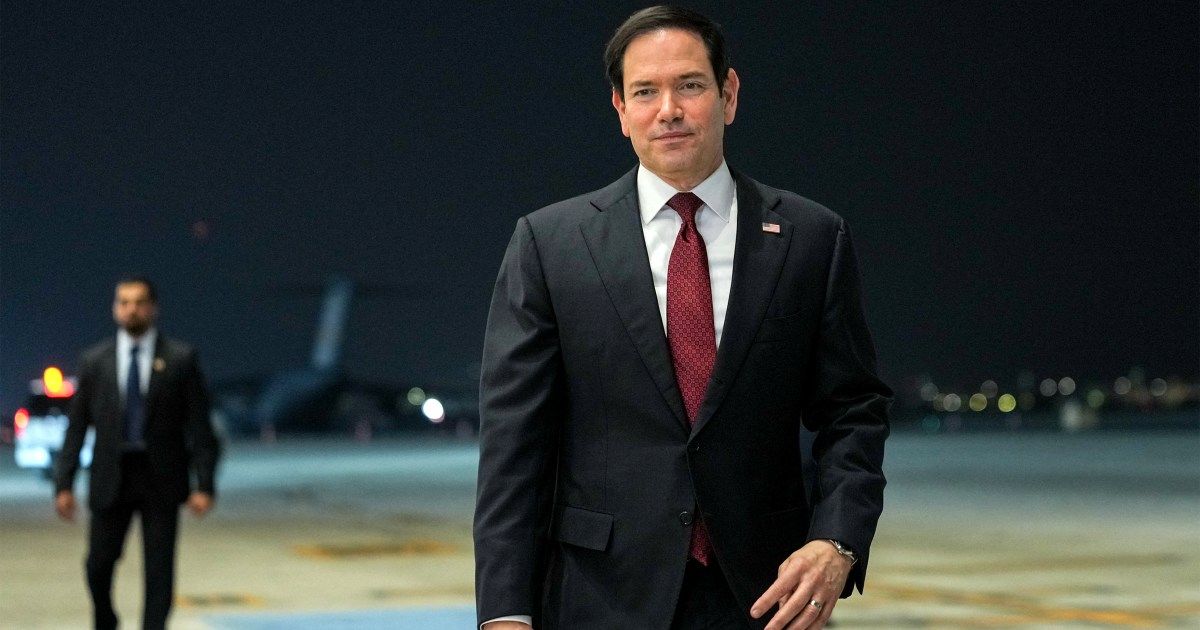
US Secretary of State Marco Rubio has rejected any Iranian move to charge vessels for using the Strait of Hormuz, putting one of the world’s main energy routes at the center of fragile talks with Tehran. The dispute could complicate efforts to turn a preliminary US-Iran agreement in Switzerland into a broader settlement after months of conflict in the Middle East, Al Jazeera reported.
Rubio, speaking during a Gulf tour that began in the United Arab Emirates, said the strait is an international waterway and that no country may impose tolls or fees on ships passing through it. He said he believed countries in the region would share that view.
Iran’s Persian Gulf Strait Authority said Friday that planned charges for ships using the waterway would be suspended during the 60-day negotiation period established under a memorandum of understanding with the United States, according to Al Jazeera. Iran and Oman also said in a joint statement that they would examine future administration of the route and possible charges for services, while maintaining their claims over territorial waters along the strait.
Hormuz remains the main pressure point
The Strait of Hormuz links the Gulf to global markets and carries about one-fifth of the world’s exported oil and natural gas supplies in peacetime, according to Al Jazeera. Before the war, between 120 and 140 ships used the passage each day, including tankers carrying about 20 million barrels of oil from Gulf producers.
Iran effectively closed the strait during the conflict, disrupting shipping and sending oil prices higher, Al Jazeera reported. The United States imposed a naval blockade on Iranian naval ports in April in an effort to curb Iranian oil exports.
Some vessels have crossed since the US-Iran agreement, but ship movements remain below prewar levels. Oman says it is working with the International Maritime Organization on temporary measures for safe passage and on an operation to evacuate more than 11,000 sailors stranded after the fighting left hundreds of vessels trapped.
The Joint Maritime Information Center, which includes the US and other maritime partners, has warned ships to avoid parts of the central shipping channels because of mines. Iran has not confirmed mines are present, but during the conflict it directed approved vessels to travel closer to its coast rather than near Oman’s side of the strait, Al Jazeera reported.
Legal and diplomatic questions
International law protects transit through strategic waterways and bars coastal states from charging tolls solely for passage through international shipping lanes, according to Al Jazeera. Insurance experts cited by the outlet said states can charge for specific services such as inspections, navigation help, security measures and some insurance-related requirements.
Mohammad Reza Farzanegan, an economist at Philipps-Universitat Marburg, told Al Jazeera last month that Iran could argue for a negotiated service-fee system tied to safe passage, environmental risk reduction and predictability. Nader Habibi, an Iranian American economist, told Al Jazeera that any such arrangement would require coordination between Iran, Gulf Cooperation Council states and major powers including China and the United States.
Iranian negotiator Mohammad Bagher Ghalibaf has said Hormuz will not return to its prewar status, even as both sides agreed to create communication mechanisms to keep the waterway open. Mostafa Khoshcheshm, a professor at the University of Applied Sciences in Tehran, told Al Jazeera that Iran is unlikely to drop long-term service fees after the 60-day period.
Other unresolved issues include Iran’s nuclear program, access for international inspectors to damaged nuclear sites, the future of frozen Iranian assets and regional military deployments. Iran’s deputy foreign minister Kazem Gharibabadi said inspection access would be handled only in a final agreement with Washington, while US President Donald Trump has said Iran accepted “the highest level” of inspections. Iranian officials deny making nuclear commitments in Switzerland, Al Jazeera reported.
This story draws on original reporting from Al Jazeera.