
Gulf states weigh wider security ties after Iran war
Analysts say attacks during the US-Israel war with Iran may speed Gulf efforts to broaden defense ties while keeping links with Washington.
By James Whitfield · Staff Writer
4 min read
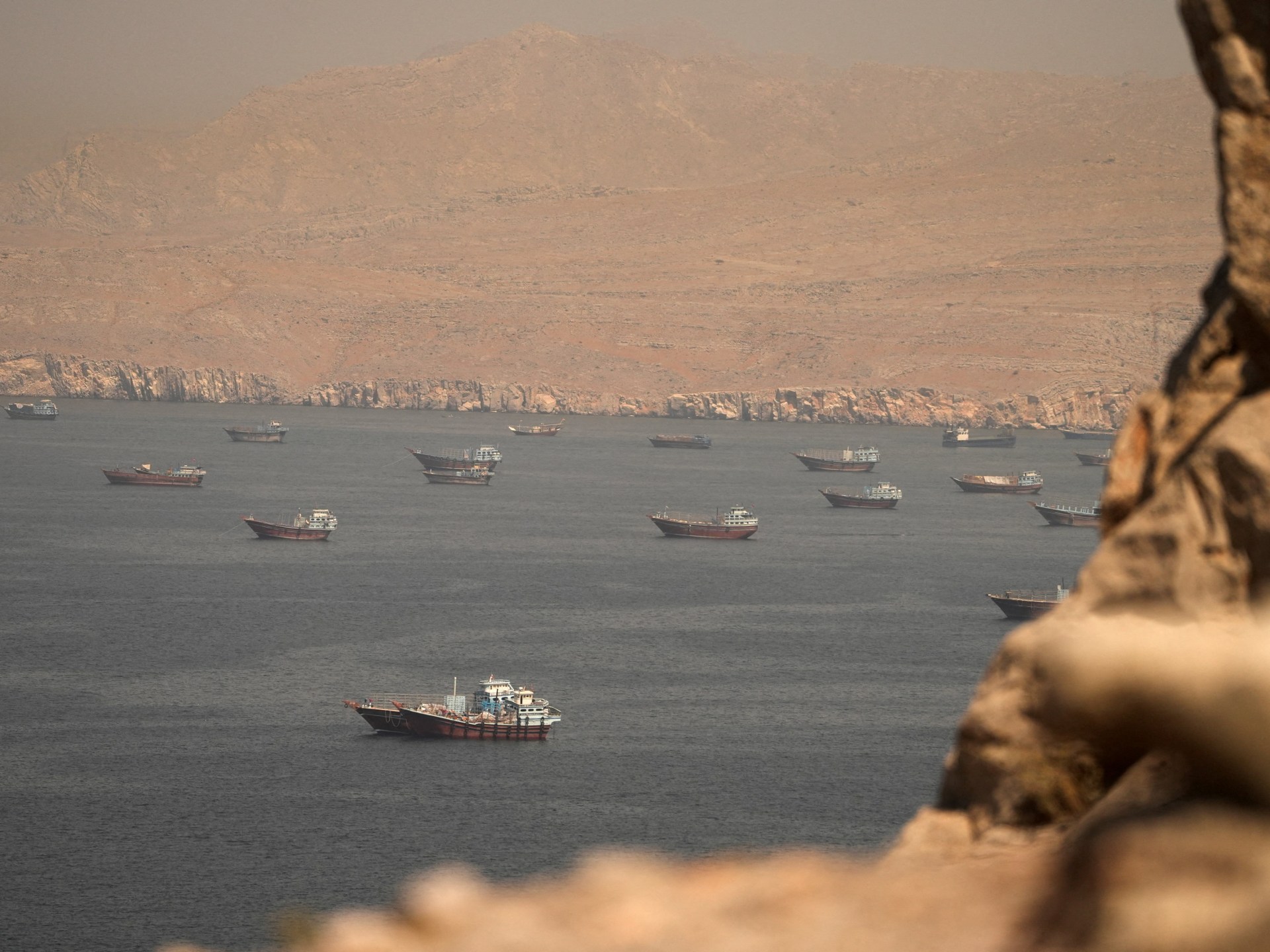
Gulf governments are expected to broaden their security relationships after the US-Israel war with Iran exposed their vulnerability to retaliation, analysts told Al Jazeera. The shift matters because Washington has long anchored Gulf defense, while Iranian strikes during the conflict hit countries that host US forces.
Tehran and Washington are holding talks aimed at a lasting agreement, according to Al Jazeera. Gulf Cooperation Council states, meanwhile, are reassessing their options after coming under Iranian attack during the war.
Attacks tested Gulf security assumptions
Al Jazeera reported that the war began on February 28 and that Iranian attacks targeted military bases hosting US troops, along with civilian sites including airports, energy facilities and hotels in some Gulf countries. After Washington and Tehran reached a memorandum of understanding to end the war earlier this month, Iran’s military, led by the Islamic Revolutionary Guard Corps, still launched missiles and drones at targets in Bahrain and Kuwait during skirmishes with the US, according to Al Jazeera.
Anna Jacobs Khalaf, a non-resident fellow at the Arab Gulf States Institute, told Al Jazeera that Gulf capitals are not seeking to replace the United States outright. She said countries such as Saudi Arabia are focused on the regional balance of power and on countering pressure from both Iran and Israel.
Saudi Arabia had already signed a defense pact with Pakistan before the war, according to Al Jazeera. Gulf states have also bought defense systems from European countries and kept working ties with Russia and China, a pattern analysts said is likely to become more established after the conflict.
US role faces new scrutiny
Jacobs Khalaf said the war and Iran’s retaliation against the Arabian Peninsula, including the shutdown of the Strait of Hormuz by Iranian forces, created an unprecedented security crisis for GCC members. She told Al Jazeera that some Gulf capitals are questioning the value of a security system centered on the United States.
Annelle Sheline, a research fellow at the Quincy Institute for Responsible Statecraft, told Al Jazeera that Gulf states will probably seek deeper security links with China, Turkiye and Europe. She said they are likely to keep security ties with Washington while trying to avoid dependence on the US.
Sheline also said US military deployments in the region did not stop Iranian attacks and, in some cases, made bases into targets. Her assessment reflects a broader concern that the US presence can draw Gulf states into wider confrontations.
Iran ties remain open
Despite anger over Iranian attacks, Gulf governments have kept communication channels with Tehran open, including at the security level, Al Jazeera reported. Several GCC states are also trying to repair ties and expand economic relations with Iran.
Sheline said closer economic links could raise the cost for Iran of future attacks on Gulf countries. She cited electricity infrastructure as one possible area where shared interests could make conflict less attractive to Tehran.
US Vice President JD Vance described similar contacts in a recent interview with UnHerd. He said the United Arab Emirates was holding conversations with Iranian officials, including the IRGC, about economic incentives and conditions that could make Iran more open to investment.
Israel adds another concern
Gulf concerns also extend to Israel, analysts told Al Jazeera. Israel bombed Doha last year in an attempt to kill Hamas leaders during US-backed Gaza ceasefire mediation, according to Al Jazeera, and President Donald Trump said he was very unhappy with the attack while denying approval or advance knowledge.
Al Jazeera reported that Trump’s National Security Strategy last year argued the Middle East was no longer Washington’s main geopolitical priority. At the same time, the US continues to maintain strong political and security commitments to Israel.
Sheline told Al Jazeera that a broader agreement with Iran could allow the US to reduce its role in the Middle East, but she said Israel could keep tensions high and draw Washington back into regional fighting. Jacobs Khalaf said many Gulf states see Israel’s military posture, including in Gaza, Lebanon, Syria and the occupied Palestinian territories, as a threat to the region.
This story draws on original reporting from Al Jazeera.