
Gaza ceasefire talks strain over tunnel maps and weapons demands
Cairo negotiations are under pressure after mediators pressed for wider disarmament terms covering Hamas tunnels and privately held firearms.
By James Whitfield · Staff Writer
3 min read
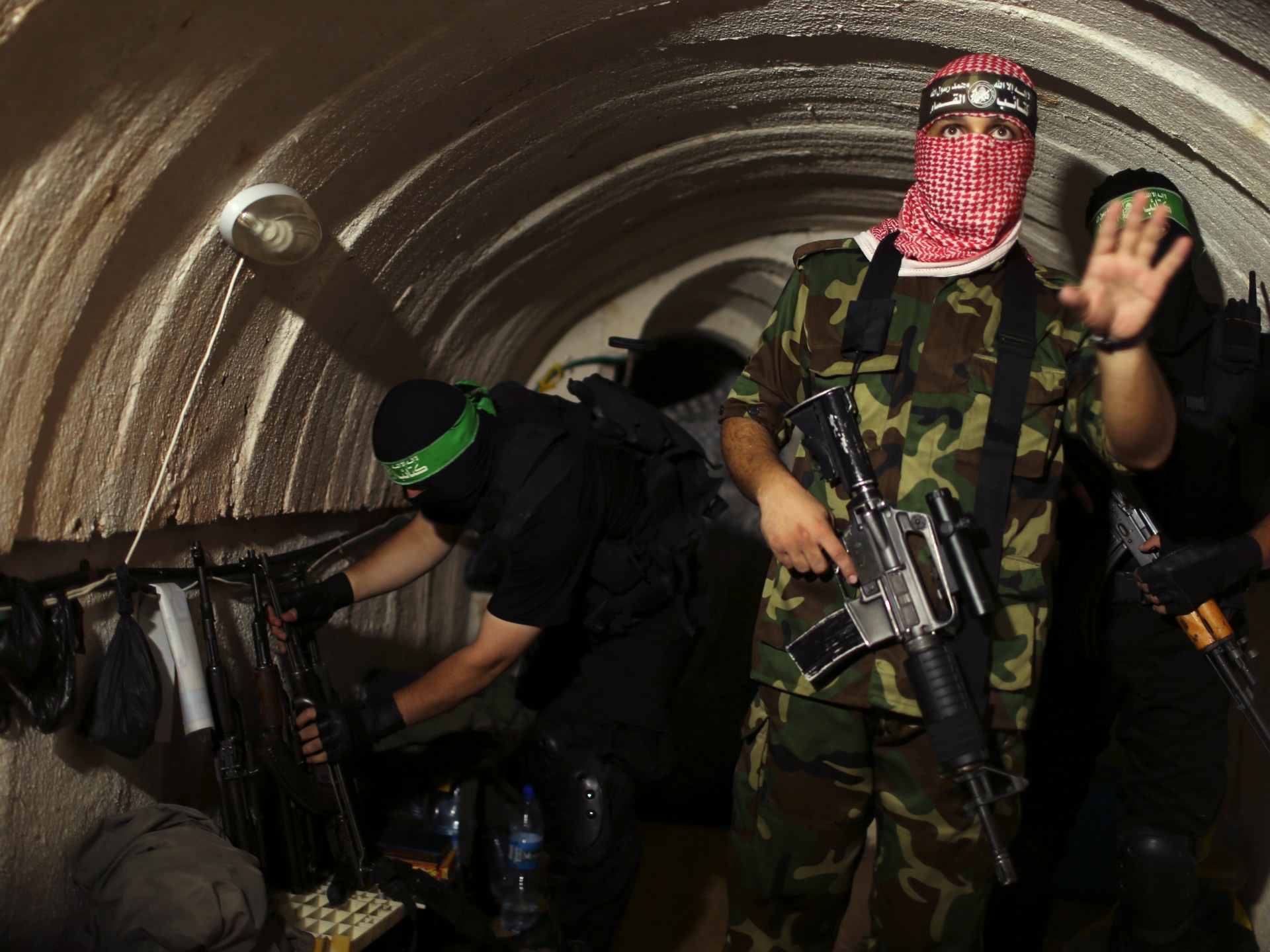
Ceasefire negotiations in Cairo are facing a serious dispute over demands that Palestinian armed groups surrender weapons, tunnel maps and military infrastructure in Gaza. Al Jazeera reported that the standoff centers on how far disarmament must go, and whether it must be tied to an Israeli military withdrawal.
The talks involve Palestinian factions and mediators working through terms linked to a United States-brokered ceasefire plan from October 2025. Al Jazeera said Nickolay Mladenov, the high representative of the Board of Peace for Gaza’s post-war transition, has pushed for Gaza to be free of weapons held by factions, families, militias and individuals.
Dispute over Clause 8
According to Al Jazeera, the immediate dispute concerns Clause 8 of the ceasefire plan, which covers disarmament, military infrastructure and the transfer of security responsibilities to a unified Palestinian body. An unnamed source familiar with the talks told the outlet that Hamas initially showed unusual willingness to discuss the issue.
That source said Hamas agreed for the first time to an inventory and storage process for heavy weapons, including rockets, missiles and Kornet anti-tank missiles believed to be in its arsenal. The source said mediators welcomed Hamas’s decision to engage on a subject it had previously avoided.
Al Jazeera reported that Mladenov’s proposed language called for a phased process to inventory and collect weapons under an agreed timetable. The process would be monitored by the high representative, an Implementation Verification Committee and the International Stabilization Force, and would be led by the National Committee for the Administration of Gaza. Under that proposal, armed groups would not have to transfer weapons directly to Israel.
Hamas and other Palestinian factions proposed different wording, according to a Hamas source who spoke to Al Jazeera. Their version linked the storage of heavy weapons to a phased Israeli withdrawal, the completion of Phase 1 of the ceasefire, the deployment of the stabilization force, the new Gaza administration taking up its work and the dismantling of armed militias.
Tunnel network becomes central issue
Al Jazeera reported that Israel rejected the amended Palestinian text after Mladenov presented it. Israel then sought the dismantling of the full tunnel network used by the Qassam Brigades, Hamas’s armed wing, along with facilities belonging to the group, according to the outlet.
An informed source told Al Jazeera that Mladenov later backed demands for tunnel maps, manufacturing workshops, heavy weapons and light weapons. A senior Hamas official told the outlet that the talks had not collapsed, while saying the demand for total disarmament was putting severe pressure on the negotiations.
A Palestinian faction source told Al Jazeera that factions met for four consecutive days starting June 9 and agreed on June 12 to a joint revision of Clause 8. Mladenov met Hamas representatives four days later, then submitted a broader document on June 17 that included demands to dismantle military capabilities, weapons depots, tunnels and workshops, the source said.
That framework also covered personal firearms, according to Al Jazeera. The outlet reported that rifles and other weapons held by individuals would be surrendered to the Gaza administration and handled through a purchase or licensing system.
Palestinian factions object
Mohammad al-Braim, a media official for the Popular Resistance Committees, told Al Jazeera that Palestinian groups had shown flexibility on weapons arrangements. He said any disarmament must be linked to a full Israeli withdrawal and a broader political settlement.
Palestinian political analyst Saeed Ziad told Al Jazeera that the factions’ offer concerned reorganizing resistance weapons rather than disbanding armed formations. He accused Mladenov of adopting Israel’s position, an allegation the Board of Peace rejected.
A Board of Peace official told Al Jazeera that claims of bias were inaccurate. The official said the framework reflected engagement among the parties and mediators from Egypt, Qatar and Turkiye, and said the talks cover security, governance, humanitarian access, reconstruction and withdrawal arrangements as part of a reciprocal package.
This story draws on original reporting from Al Jazeera.