
Europe’s suspected hybrid attacks have no publicly identified culprit
Investigators have not named anyone behind recent bomb threats and cyber incidents, despite broader European allegations against Russia.
By James Whitfield · Staff Writer
3 min read
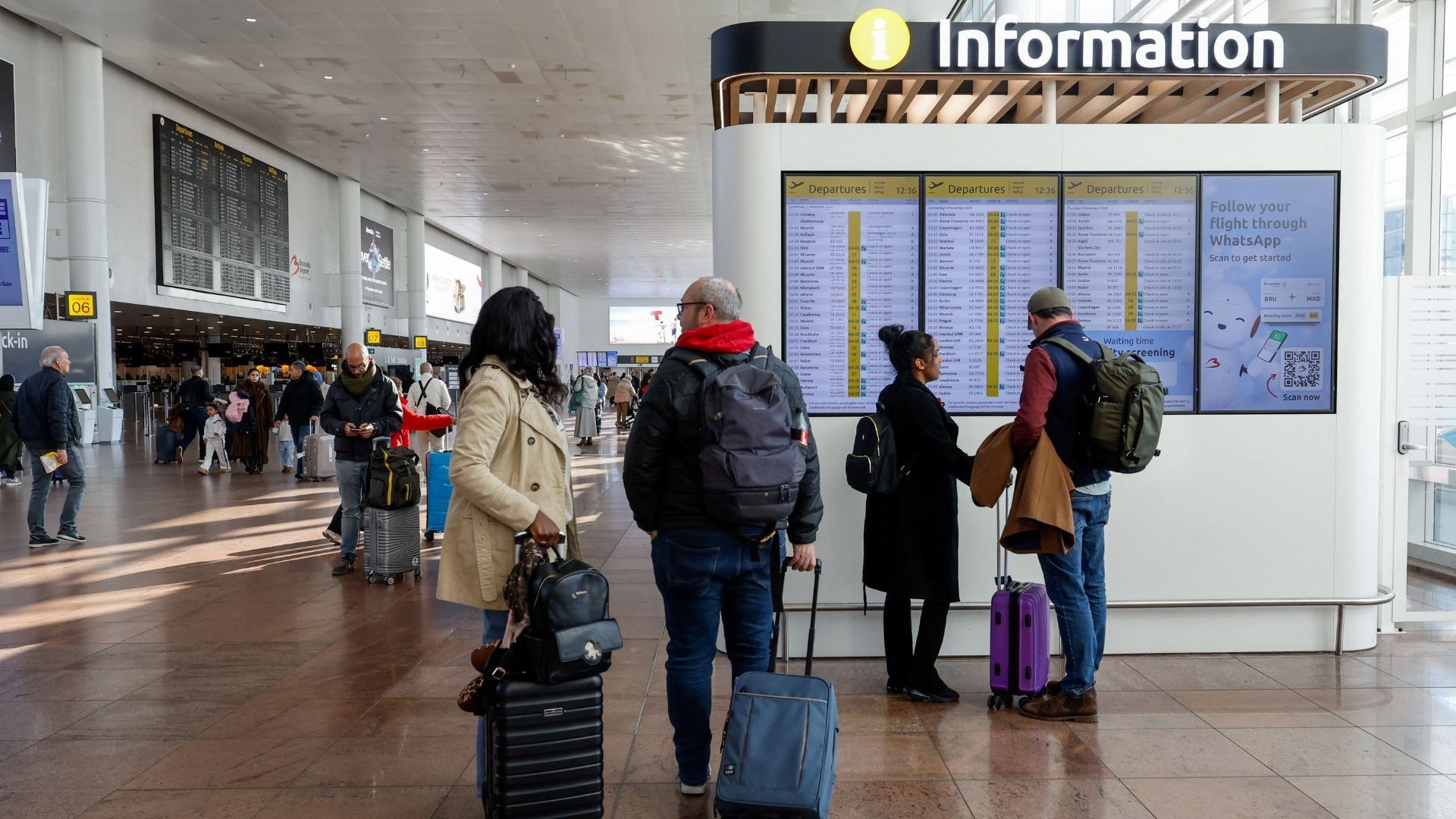
No one has been publicly identified as responsible for Europe’s suspected hybrid attacks: the recent run of bomb threats and cyber incidents that disrupted flights and affected refrigeration systems. That distinction matters as officials investigate whether the events are connected, while Russia remains the focus of broader—but incident-specific and uneven—official allegations.
Al Jazeera reported that false bomb threats sent to airlines and airports delayed or diverted flights, with no explosives found. Its reporting said the threats began on Monday and affected airports including those in Ireland, Denmark and the Czech Republic. Italy’s prime minister said investigators were trying to determine whether the episodes were linked.
Who is behind Europe’s suspected hybrid attacks?
The short answer is that authorities have not publicly named a culprit for this latest group of incidents. The Wall Street Journal reported on November 7 that officials and company executives believed the bomb threats and cyberattacks could be coordinated, but had not determined who was responsible.
Cyberattacks also affected supermarket refrigeration in several countries, including Sweden and Belgium, according to Al Jazeera. French officials said they had stopped a similar attempted cyberattack on blood banks. The Al Jazeera programme reported that a Kremlin spokesperson called allegations tied to the supermarket attacks absurd and unfounded.
Why Russia is part of the wider discussion
Russia is the main state actor accused by U.S., European and NATO officials in the broader record of alleged hybrid activity in Europe following its 2022 full-scale invasion of Ukraine. A Congressional Research Service report lists suspected activities including sabotage, cyberattacks, political interference and influence operations, assassinations, and airspace violations.
Some European officials say the purpose is to weaken support for Ukraine or make a united European response more difficult. Those allegations do not establish Russian responsibility for each event, including the current bomb threats and cyber incidents. The CRS report says definitive attribution can be difficult or impossible, and that the strength of public evidence differs sharply from case to case.
What is a hybrid threat?
The European Centre of Excellence for Countering Hybrid Threats defines hybrid threats as actions by state or non-state actors intended to undermine or harm a target through a mix of overt and covert, military and non-military methods. The term can cover cyber activity and sabotage as well as influence operations and other pressure short of open warfare, according to Eurovision News Spotlight.
That breadth makes careful attribution central to the current investigation. A database compiled by journalists from 17 European public-service news organisations tracked reported incidents in 17 countries between April and mid-October, classifying both the type of event and the level of attribution to Russia. The project said its count was conservative and that links to Russia ranged from direct to indirect official allegations.
For the latest disruptions, the public record supports a narrower conclusion: flights were affected, refrigeration systems were targeted, and officials are examining potential connections. Responsibility has not been publicly confirmed.
This story draws on original reporting from Al Jazeera.