
Eisenkot gets mandate to try forming Israel’s next government
President Isaac Herzog chose Gadi Eisenkot to seek a coalition after Israel’s election deadlock, but no new government has yet been formed.
By James Whitfield · Staff Writer
2 min read
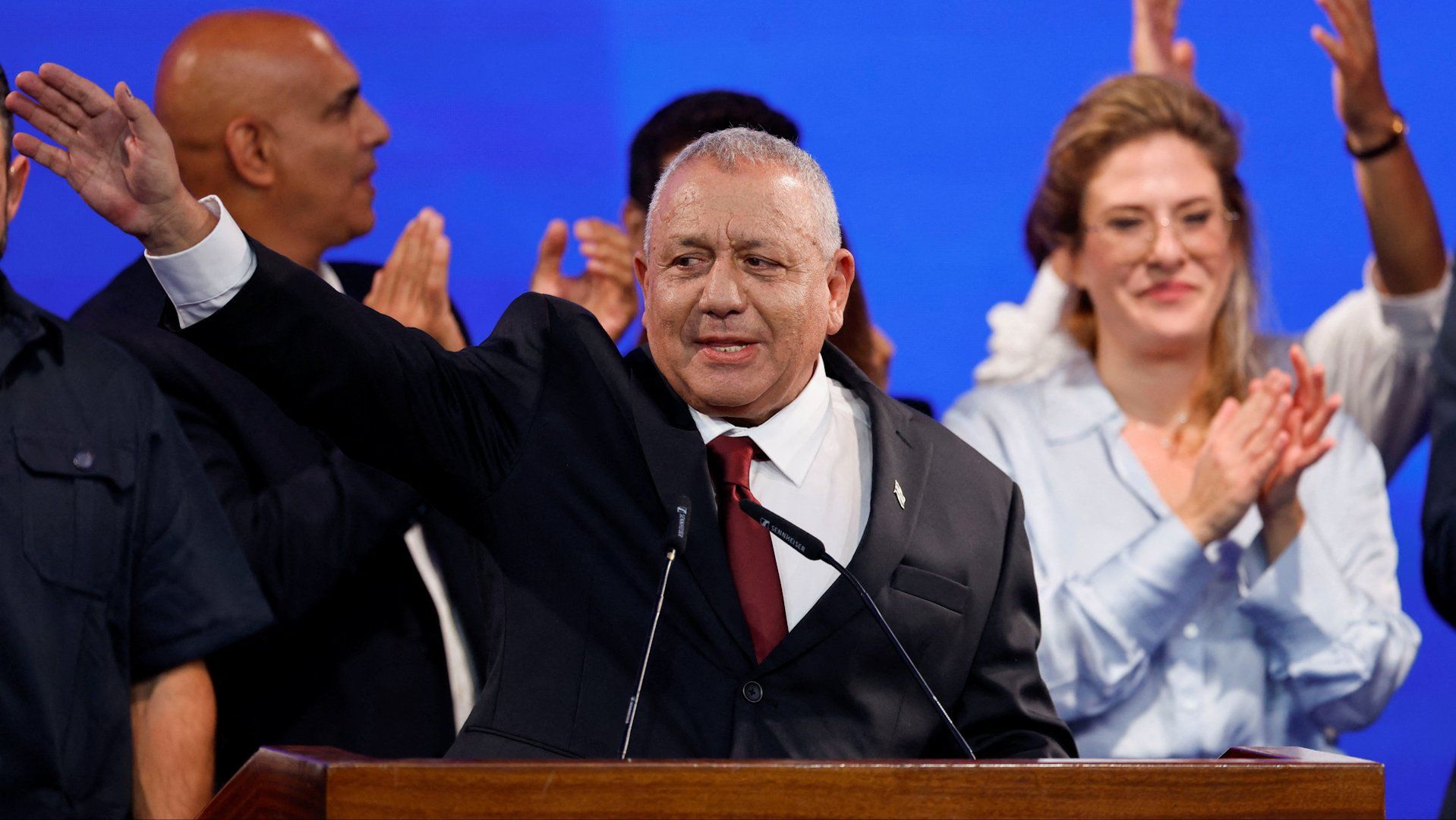
President Isaac Herzog has chosen Gadi Eisenkot to try to form Israel’s next government, giving the opposition leader a chance to negotiate a coalition after an election deadlock. The Eisenkot form Israel government mandate does not make him prime minister or establish a new administration; he must still win enough parliamentary support.
Herzog informed Eisenkot of the decision on Saturday, and the formal handover was scheduled for Sunday, according to Reuters, Al Jazeera and NPR. Eisenkot, a former military chief, leads the Yashar party and was Prime Minister Benjamin Netanyahu’s main rival in the October 27 election.
Did Eisenkot become Israel’s next prime minister?
No. Eisenkot has been selected to attempt to assemble a governing coalition. He has 28 days to do so, with a possible 14-day extension, according to the three outlets.
Israel’s Knesset has 120 seats, and a government normally needs the support of 61 lawmakers. If Eisenkot puts together a coalition and it can secure that backing, he could form a government. Until then, Netanyahu remains caretaker prime minister if the process continues without a successful coalition, Reuters, NPR and Al Jazeera reported.
Why Herzog chose Eisenkot
The election did not produce a majority for either side. Netanyahu’s broader religious-nationalist bloc held 53 seats, while Eisenkot’s four-party alliance held 48, Reuters and Al Jazeera reported.
Likud was the largest individual party with 27 seats, six more than Yashar’s 21. But Al Jazeera reported that 67 lawmakers endorsed Eisenkot for the mandate, compared with 46 for Netanyahu, including backing from Arab-led parties.
- Knesset seats: 120
- Usual majority threshold: 61
- Netanyahu’s bloc: 53
- Eisenkot’s four-party alliance: 48
- Likud: 27
- Yashar: 21
- Arab-led parties: 19
What coalition options does Eisenkot have?
Arab-led parties nominated Eisenkot, but he has declined to join forces with them, Reuters reported. Al Jazeera said their support alongside Eisenkot’s alliance would amount to 67 seats.
Other possible routes include bringing in the ultra-Orthodox United Torah Judaism and Shas parties, or pursuing a unity arrangement with Netanyahu. Reuters reported that analysts considered those options unlikely.
If Eisenkot cannot form a government within the allotted period, Herzog can nominate another candidate. If further attempts fail, Israel could face another election, according to Reuters and Al Jazeera.
This story draws on original reporting from Al Jazeera.