
Western Cape vineyards use conservation to adapt to climate pressure
A review of 107 South African vineyards found growers see healthier soils and habitat as tools for water, pest and business risks.
By Hana Yoshida · Markets Reporter
3 min read
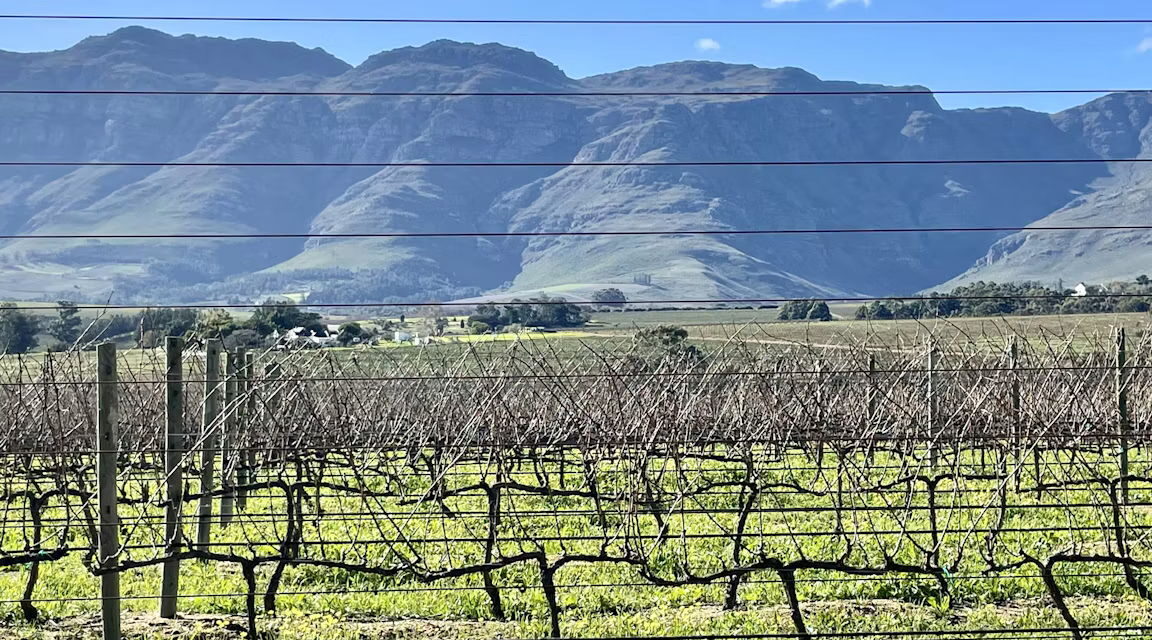
Western Cape vineyard conservation is becoming part of how some South African wine producers handle drought, heat and erratic rainfall. Researchers who reviewed practices at 107 vineyards found that many growers regard protecting soil and wildlife habitat as part of keeping their businesses viable, rather than as land removed from production.
The finding comes as grape growers in the Western Cape face mounting weather pressure. Ars Technica reported that three years of severe drought in the late 2010s put vineyards under stress and cut grape output; the region also produces about 90% of South Africa's wine.
How are Western Cape vineyards using conservation?
The researchers interviewed growers, conservation practitioners and wine-industry specialists, and analyzed stewardship measures at the 107 vineyards, which they described as about one-fifth of the regional total. Their work found growers restoring native vegetation and removing alien plants along waterways, while taking steps to limit erosion near wetlands and rivers.
Those measures are intended to safeguard water supplies vineyards depend on. Healthy natural systems can improve soil water retention and help a wider area withstand more extreme conditions, according to the report.
Some operators are also planting cover crops between vine rows, including legumes, cereals and brassicas. Compost and mulch are used alongside them to improve soil structure and add organic matter. Well-chosen, well-maintained cover crops can reduce erosion and improve water retention and nutrients, the report said, though they require upkeep and may provide habitat for pests.
Several growers told the researchers they were cutting back on broad pesticide applications. Instead, they monitor pest populations and use more targeted responses; some also support beneficial insects and habitats that can aid natural pest control. The approach may reduce dependence on chemical inputs as those costs rise, but the research did not offer a farm-by-farm profitability calculation.
What does certification mean for vineyard conservation?
Conservation can also have a commercial role through certification. The report said growers use sustainability labels to make their wines more marketable, while also pursuing ecological benefits inside and around their vineyards.
Most South African vineyards participate in the Integrated Production of Wine system, created in 1998 by the wine industry and researchers, according to Ars Technica. It sets requirements for pesticide use, water management, wastewater treatment and environmental stewardship, with independent audits for participating farms and wineries.
The stakes extend beyond wine production. The Western Cape includes the Cape Floral Region, a biodiversity hotspot that contains fynbos and other plant life found nowhere else. The researchers' conclusion is limited to the operators they studied: it shows that many growers see conservation as an investment in resilience and operations, not proof that every conservation measure raises profits.
This story draws on original reporting from Ars Technica.