
Chile fuel price protests push Kast government to seek reversal of planned rises
Chile sent Congress a bill to reverse planned fuel-price increases after highway blockades, while broader protests targeted living costs and policy changes.
By Sofia Marchetti · World Affairs Correspondent
3 min read
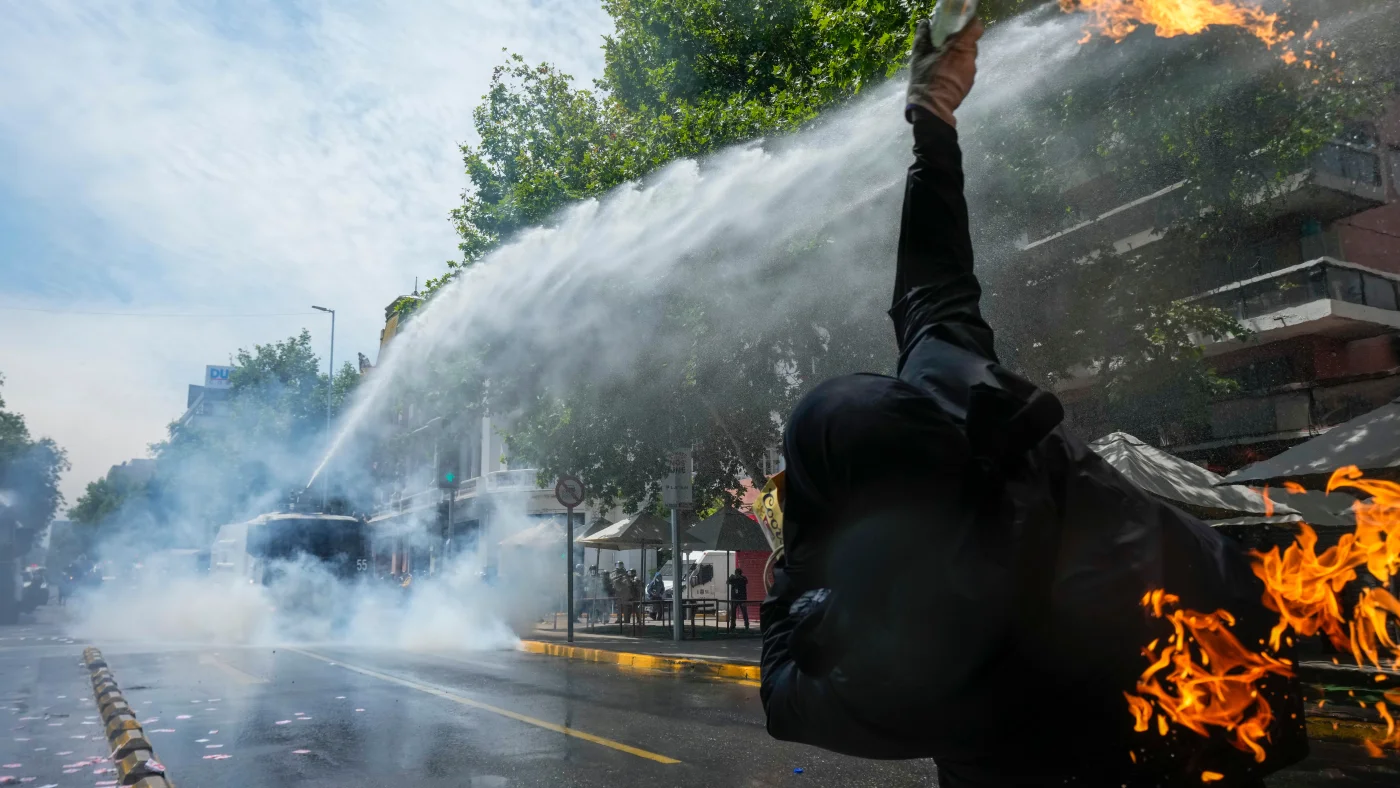
Chile fuel price protests prompted President José Antonio Kast’s government to send Congress a bill on Friday aimed at reversing planned increases, NPR reported. The move followed truckers’ blockades of two major highways and added to wider demonstrations over living costs and other government policies.
NPR reported on Nov. 14 that the truckers’ strike was broken after the government’s action. The bill was expected to win approval during November, but had not yet become law.
What prompted Chile’s fuel price protests?
The immediate dispute concerned higher fuel prices, rather than a documented shortage of fuel. NPR reported that in July the government decided against using an available anti-inflation measure to cushion fuel-price increases linked in the report to the U.S.-Israeli war with Iran.
Prices then rose sharply, prompting motorists to queue at filling stations before the increase took effect and drawing protesters into the streets, according to NPR. Truckers’ unions later used highway blockades to press for relief from high fuel costs.
Earlier in the week, negotiations had not produced an agreement, according to Latin Times. It reported that one transport grouping sought an immediate price cut and at least a four-month freeze, while the government had offered a 90-day cap on the size of weekly increases.
That account preceded NPR’s report of the Friday congressional proposal. The full status of the transport stoppage remained unclear: a video report said some independent groups continued regional blockades even after an agreement involving major trucking unions. The available reporting does not establish that every blockade ended.
Why are students and other Chileans protesting?
Fuel prices are only one part of the public anger facing Kast, whom NPR describes as ultraconservative. Students and other demonstrators have also raised concerns about the cost of living, education and proposed reductions in public spending.
NPR reported that the government’s budget proposal, then before Congress, sought cuts affecting education, culture, science and social programs. Latin Times separately reported that student groups had planned demonstrations against proposed reductions in the 2027 education budget.
Another grievance concerns government decrees that reduced sentences for 56 prisoners convicted of offenses ranging from child rape to human-rights violations during Chile’s dictatorship, NPR reported. Kast called the decision an error but backed the undersecretary who signed the decrees, according to the network.
NPR also cited a poll putting Kast’s approval at 24%. That figure was reported by NPR and is not independently verified in the available material.
The demonstrations show the pressure on Kast’s administration has widened beyond transport costs. Whether the proposed fuel-price measure will ease that pressure depends on its passage in Congress and on whether it satisfies the groups that have organized the protests.
This story draws on original reporting from NPR.