
FAA ground stop prompted White House security response over cyberattack fears
Officials activated a White House and national-security response after the FAA outage, then said evidence pointed away from a cyberattack.
By Maya Lindqvist · Senior Technology Correspondent
2 min read
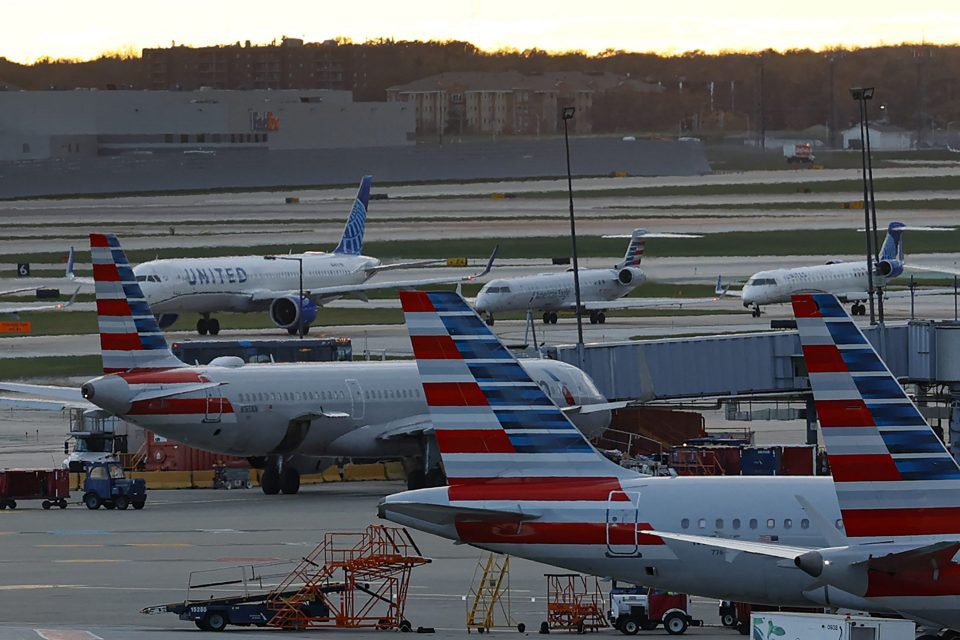
The FAA ground stop cyberattack concern prompted a White House and national-security response after communications problems disrupted air-traffic control on Nov. 13. The FAA halted departures nationwide for safety while officials examined whether the fast-moving outage could involve a foreign actor.
FAA Administrator Bryan Bedford said at a Saturday briefing that the White House Situation Room and the broader national-security apparatus were activated. The FBI also investigated at FAA facilities, according to Bedford, as reported by Fortune.
Transportation Secretary Sean Duffy said FBI Director Kash Patel, the director of national intelligence and the Defense Department joined a conference call because officials were concerned about a possible cyberattack from another country. That response was precautionary, rather than evidence that an attack had been confirmed.
Was the FAA ground stop caused by a cyberattack?
Officials initially said they could not rule out a cyberattack. In remarks carried by CBS News, Homeland Security Secretary Markwayne Mullin said there was no indication at that point of a threat to the United States or a nefarious attack, but said investigators would keep examining the cause while restoring communications.
By the following day, Bedford said officials had concluded the incident was not a cyber issue. Duffy said investigators found no online chatter suggesting a hacking attempt and said they did not believe a foreign actor caused the disruption. He said the system began working properly after the FAA isolated and took offline the location where the telecom problem originated.
What officials say triggered the FAA communications problem
Duffy said a contractor working with L3Harris had been conducting routine maintenance at a remote FAA site, converting telecommunications lines from copper to fiber optics. He said the change generated more than 1,000 connection attempts every four to five seconds at routers across the air-traffic-control system.
According to Duffy, the surge disrupted some radar feeds, leading the FAA to impose the ground stop. A ground stop prevents aircraft from departing while the agency addresses a safety issue; aircraft already airborne are handled separately.
The specific technical failure remains under investigation. Duffy said officials were examining whether it stemmed from user or installation error, or from a faulty router, and did not assign final responsibility to L3Harris or its contractor.
L3Harris said it was supporting the FAA investigation. The company said it had completed more than 70% of the conversion from legacy copper wiring to fiber optics with the FAA and telecommunications partners.
This story draws on original reporting from Fortune.