
Pennsylvania issues congenital measles alert for pregnancy and newborn care
Pennsylvania issued clinical guidance as congenital measles cases reappear during its outbreak, raising risks for pregnant patients and newborns.
By Hana Yoshida · Markets Reporter
3 min read
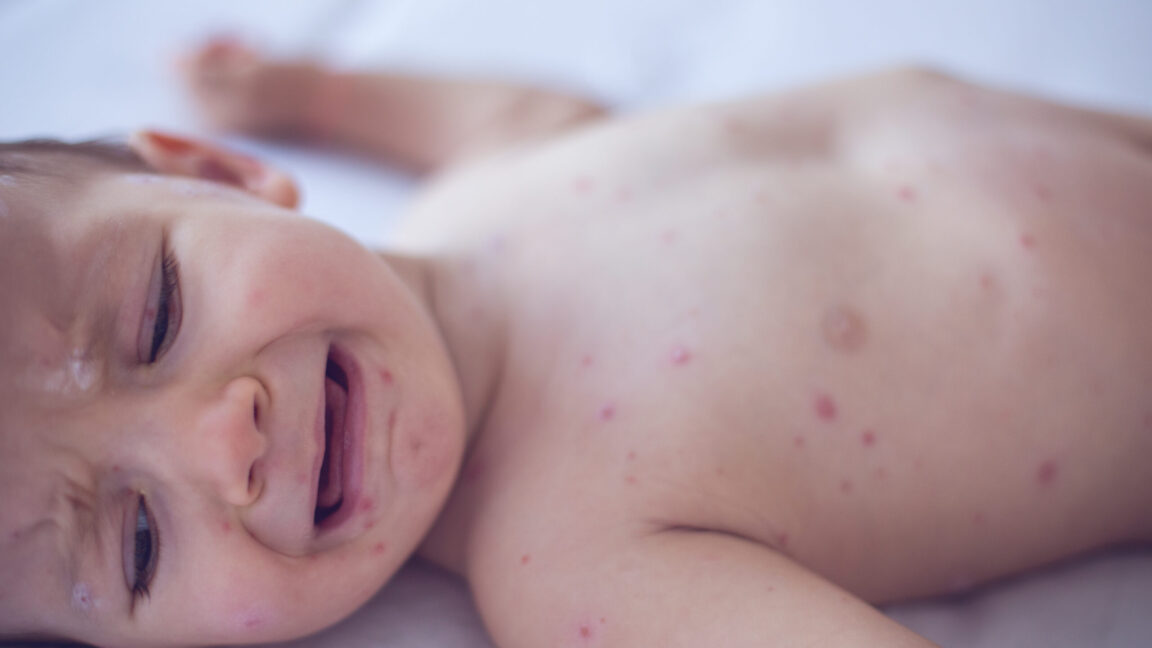
Pennsylvania’s health department has issued a congenital measles alert with clinical guidance for measles exposures and illness during pregnancy and in newborns, according to Ars Technica. The action comes as infections in pregnant people and babies have emerged during the state’s wider outbreak, a pattern clinicians rarely see in the United States.
Ars Technica reported that the department said congenital measles had not been seen for decades before this outbreak. As of Oct. 19, Pennsylvania had reported 1,286 measles cases in 42 counties and 247 hospitalizations, the outlet said.
Why did Pennsylvania issue a congenital measles alert?
Congenital measles occurs when the virus reaches a baby before birth, during delivery or shortly afterward. Illness in newborns can range from no apparent symptoms to severe disease affecting multiple body systems, including pneumonia and neurologic complications, according to Ars Technica’s account of the guidance.
NBC News reported on Sept. 24 that at least six babies in Pennsylvania had been born with measles, and that two required intensive care. That was a dated media report, not a newer statewide count from the health department.
Measles during pregnancy also carries greater risks for the patient, including pneumonia, hospitalization and the need for oxygen support or mechanical ventilation, Ars Technica reported. The reported guidance also cited higher risks of miscarriage, stillbirth, low birth weight and premature labor.
What should pregnant people know about measles exposure?
The measles, mumps and rubella vaccine is not recommended during pregnancy because it is a live attenuated vaccine, according to Ars Technica and NBC News. The reported state guidance says an exposed pregnant person may be given intravenous immunoglobulin to help prevent infection, but it must be administered within six days of exposure.
That is different from prevention before pregnancy. The Pennsylvania Department of Health says measles is preventable, spreads easily from person to person and is best prevented through vaccination. Two doses of MMR or MMRV vaccine provide the best protection, according to the department’s measles guidance.
The department lists fever, cough, runny nose, red and watery eyes, and rash among common symptoms. Symptoms usually begin seven to 14 days after exposure, though they can take as long as 21 days. It says there is no specific treatment for measles; care focuses on supportive treatment and managing complications.
People who are pregnant, believe they have been exposed, or have symptoms should contact a clinician or public-health department for advice tailored to their situation. Health care providers should promptly report suspected cases to the state or local health department, Pennsylvania says.
Reports about newborn deaths require care in interpretation. CIDRAP reported in August that a newborn had evidence of measles acquired before birth, while a county coroner identified a splenic laceration as the immediate cause of death; the precise role of measles was unclear. Pennsylvania uses “measles-associated” when laboratory or epidemiologic evidence is present even if measles is not judged the immediate cause of death, CIDRAP reported.
This story draws on original reporting from Ars Technica.