
Merck CEO expects Moderna cancer vaccine manufacturing time to fall
Merck CEO Rob Davis said the roughly six-week, patient-specific vaccine process should shorten, but gave no target or timetable.
By Hana Yoshida · Markets Reporter
2 min read
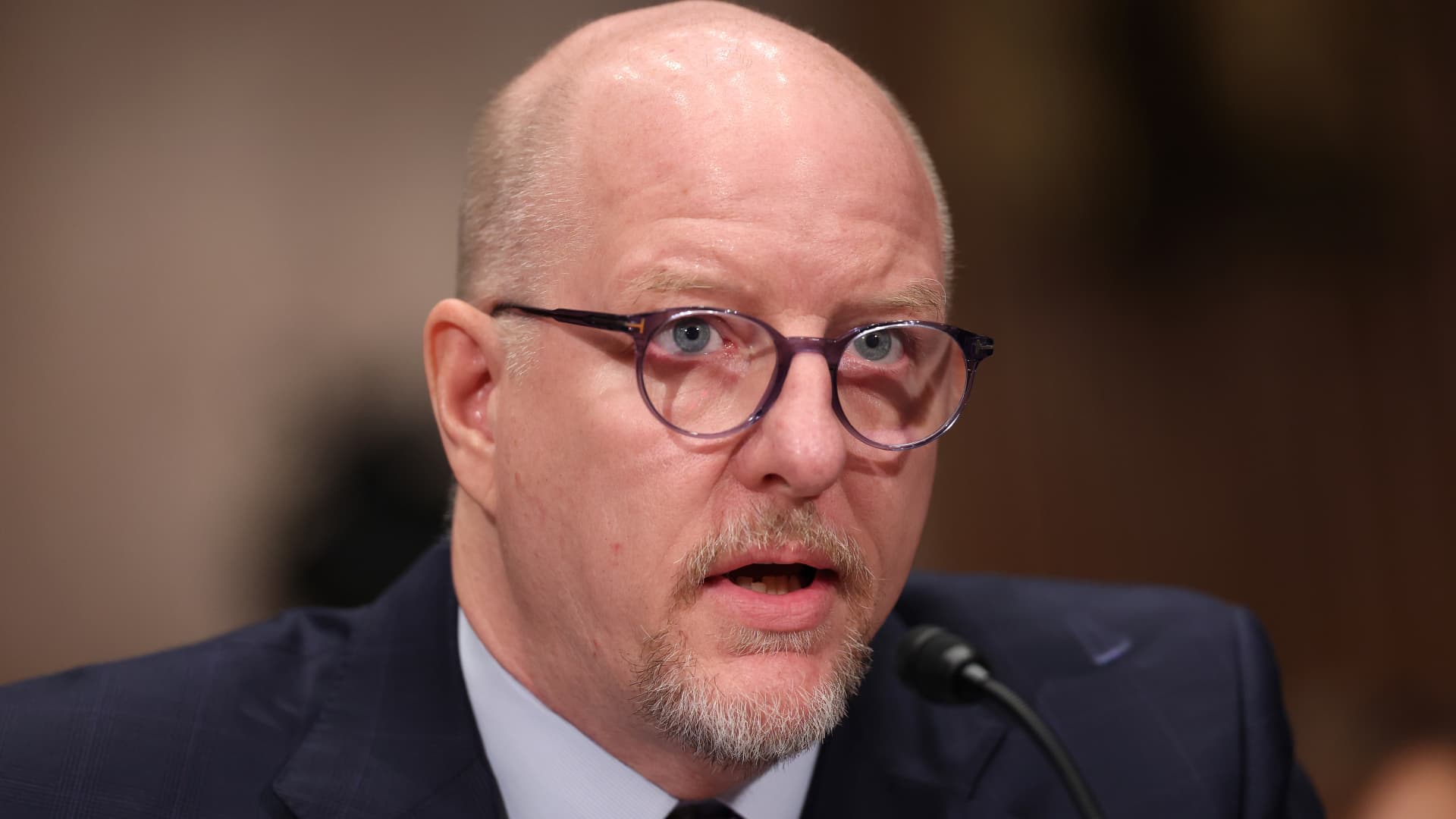
Merck CEO Rob Davis said he expects Merck Moderna cancer vaccine manufacturing to take less time in the future. The current process takes about six weeks from sequencing a patient’s tumor to delivering the personalized vaccine to a hospital, CNBC reported.
Davis did not give a target turnaround time or a date for reaching one. He told CNBC that Merck’s immediate priorities are preparing supply and the market for the product, with efforts to speed the process to follow.
Why does the personalized cancer vaccine take six weeks to make?
The timeframe is an end-to-end patient-specific process, not only factory production. According to CNBC, the vaccine is designed around mutations found in an individual patient’s tumor, rather than made as a standard product for all patients.
The intended treatment approach is to train the immune system to identify cancer markers specific to that tumor and use the vaccine alongside Merck’s Keytruda immunotherapy, CNBC reported. Tailoring the product to each patient makes production more complicated than making a one-size-fits-all vaccine.
Davis described the manufacturing process as complex, but said Merck and Moderna have established a precise scientific process and are using it in clinical trials. He said he expected further improvement over time.
What is known about the Merck-Moderna vaccine trials?
The vaccine remains in clinical development. CNBC reported that Merck and Moderna released initial late-stage trial data in melanoma in August that CNBC characterized as positive.
Davis also said the companies are studying the vaccine in non-small cell lung cancer, certain bladder cancers and renal cell carcinoma. The available information does not establish regulatory approval, commercial availability, a final manufacturing timeline or complete trial results.
Merck opened a 120,000-square-foot research facility, called Advance, at its West Point, Pennsylvania, campus on the same day as Davis’s CNBC interview. Merck says the facility will use automated robotics and digital artificial-intelligence capabilities to streamline analysis of biological samples from its drug programs and support research and development.
CNBC did not report that the new facility will manufacture the personalized cancer vaccine or directly reduce its turnaround time. Davis’s comments amount to an expectation of faster production as the companies develop and prepare the treatment, rather than a promised delivery date for patients.
This story draws on original reporting from CNBC.