
NHTSA lowers fuel economy targets, giving pickups and V-8s more room
A lower 2031 fleet target could give automakers more latitude for profitable trucks and larger engines, though sales gains are not assured.
By Maya Lindqvist · Senior Technology Correspondent
3 min read
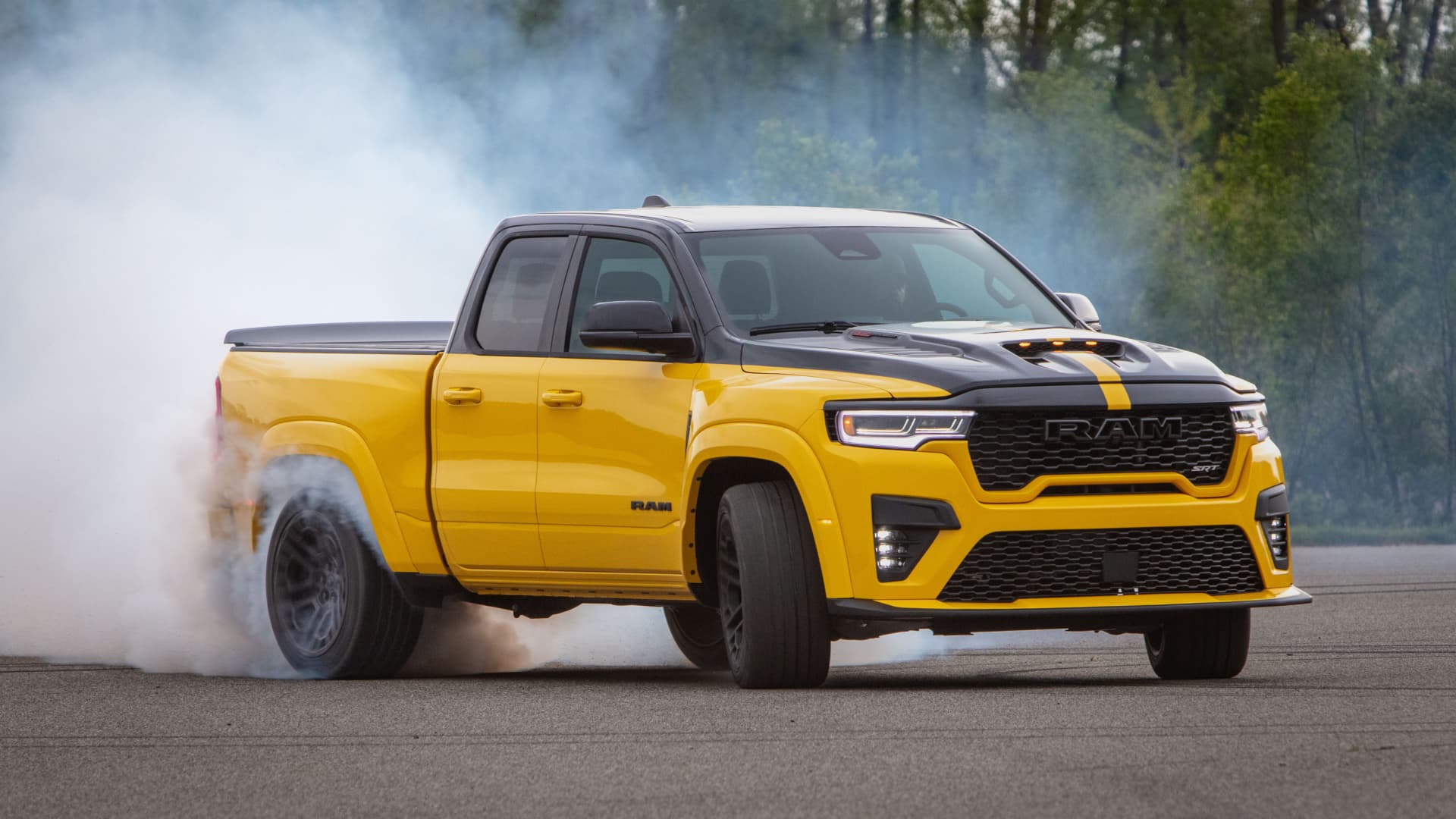
NHTSA fuel economy targets for light-duty vehicles are now projected at roughly 34.9 miles per gallon across the industry in model year 2031, down from the roughly 50.4 mpg projected under the agency’s earlier rule. The change could give automakers selling in the U.S. more room to emphasize profitable pickups and larger engines, analysts told CNBC, but it does not establish that demand or sales will rise.
The National Highway Traffic Safety Administration finalized its SAFE Vehicles Rule III for passenger cars and light trucks covering model years 2022 through 2031. NHTSA says its Corporate Average Fuel Economy, or CAFE, program sets fuel-efficiency requirements for passenger cars and light trucks; the 34.9-mpg figure is a projected industry fleetwide requirement, not a rating every new vehicle must meet.
How could lower fuel economy targets affect pickups and V-8s?
A less stringent fleetwide target means a manufacturer may need fewer efficiency improvements across its lineup to comply. That can reduce the constraint on vehicles that consume more fuel, including full-size pickups and models fitted with larger engines, according to TD Cowen analyst Itay Michaeli.
Michaeli told CNBC that reduced expenses tied to penalties and credits had already become an incremental earnings benefit, which he estimated could range from a few million dollars to several hundred million dollars. He said companies could redirect product planning and research spending away from vehicles or technology developed chiefly to meet fuel-efficiency rules and toward higher-margin vehicles, powertrain work or other technology.
The lower target is the main reason analysts see more flexibility. Separately, NHTSA says the final rule will end inter-manufacturer CAFE credit trading starting in model year 2028. That system had allowed manufacturers to buy credits from other companies to help offset less-efficient vehicle production; ending it does not itself make compliance easier.
The policy shift comes alongside product decisions that were already underway. CNBC reported that Ram restored Hemi V-8 engines to its full-size pickup range, while GM said it would introduce a new generation of small-block V-8s for the Chevrolet Silverado and GMC Sierra. Ford has also broadened V-8 availability in its F-150 lineup, CNBC reported. The reporting does not say the new rule caused those decisions.
What changed from the previous CAFE rule?
NHTSA’s 2024 rule projected a fleetwide requirement of about 50.4 mpg for passenger cars and light trucks in model year 2031. The agency’s new final rule projects about 34.9 mpg for that year, a 15.5-mpg lower projected fleetwide requirement.
Automakers still face decisions shaped by consumer preferences and the cost of developing powertrains. John Murphy, an automotive analyst cited by CNBC, said uncertainty about future powertrain investment remains significant because the powertrain is a vehicle’s most expensive component.
Hybrids and EVs also remain part of that calculation. Murphy forecasts hybrids could rise from 14% of the market last year to about 34% by the end of the decade absent another regulatory change, CNBC reported. Michaeli expects EVs to continue growing, citing customer loyalty, though both views are forecasts rather than evidence that lower CAFE targets will reverse those trends.
This story draws on original reporting from CNBC.