
Cockroach genomes carry thousands of bacterial DNA fragments
A PNAS study finds cockroaches have accumulated bacterial DNA in their genomes, showing gene transfer may be more common in animals than once assumed.
By James Whitfield · Staff Writer
3 min read
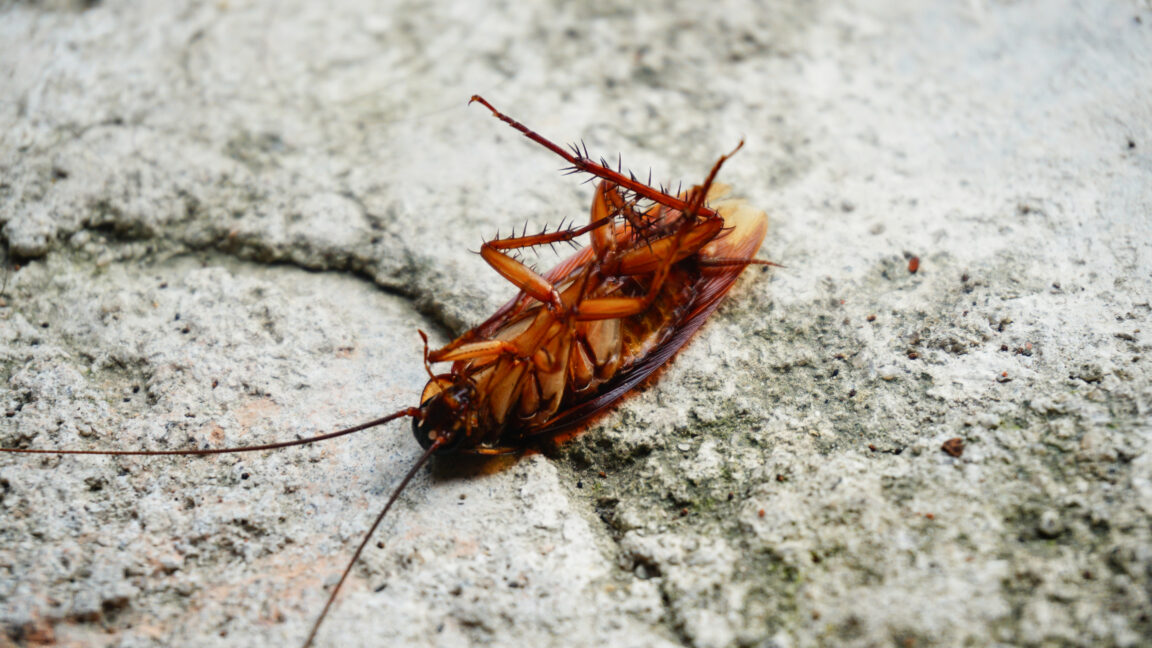
Cockroach genomes contain many fragments of bacterial DNA, according to a study published in PNAS. The findings add evidence that horizontal gene transfer, long known as a force in microbes, also leaves a broad mark on animal genomes over evolutionary time.
Horizontal gene transfer occurs when DNA from one species becomes part of the genome of another, distantly related species. Researchers have often expected the process to be uncommon in complex animals because foreign DNA must reach the nucleus of cells that pass genes to the next generation.
The PNAS study examined multiple cockroach species and found bacterial DNA fragments across their genomes. Using a cutoff of at least 50 DNA bases, the researchers reported totals ranging from 93 bacterial sequences in one cockroach species to 4,900 in another.
Why cockroaches were a useful test
The researchers focused on cockroaches because of their relationship with bacteria called Blattabacterium. Cockroaches are close relatives of termites, and termites use these internal bacterial partners to recycle nitrogen from a wood-heavy diet, according to the study.
Although cockroach diets have become more varied, they still carry Blattabacterium. The bacteria live inside the animals and are passed to the next generation through eggs, giving bacterial DNA repeated chances to come into contact with cells involved in inheritance, the researchers reported.
The bacterial sequences found in cockroach genomes were mostly small. The study reported a median length of 160 bases, and in each species at least three-quarters of the fragments were outside protein-coding regions.
That pattern suggests most of the transferred DNA is not helping cockroaches in any clear way, according to the study. The researchers described many of the fragments as likely accidental insertions that remained because they did not cause enough harm for natural selection to remove them.
Older tools may have missed the signal
Horizontal gene transfer is easier to detect in microbes, where DNA is not separated from the rest of the cell by a nucleus. Bacteria and archaea also do not have dedicated germ cells, so DNA acquired by a cell can be passed along to its descendants.
Animal genomes posed a harder problem for earlier sequencing work, according to the study. Some genome-assembly software treated bacterial sequences as contamination, in part because older methods often amplified animal DNA inside bacteria before sequencing it.
Newer sequencing methods have reduced that problem. Long-read DNA sequencing can capture stretches that include both bacterial and animal DNA at the same insertion site, helping researchers distinguish real transfers from contamination.
The cockroach results also pointed to transfers from different periods in evolutionary history. Some bacterial inserts appeared to date back to early cockroach evolution, while others were shared only by closely related species, suggesting more recent origins, according to the researchers.
The study does not show that bacterial DNA has reshaped cockroach biology in a major way. It does indicate that animal genomes may receive foreign DNA more often than scientists once thought, with most fragments persisting quietly outside genes.
The study was published in PNAS under DOI 10.1073/pnas.2604240123.
This story draws on original reporting from Ars Technica.