
Amazon cites malware risk for ending sideloading on new Fire Sticks
A Fire TV executive said sideloaded apps can carry unwanted code as Amazon shifts new Fire Stick models to its closed Vega OS.
By Maya Lindqvist · Senior Technology Correspondent
3 min read
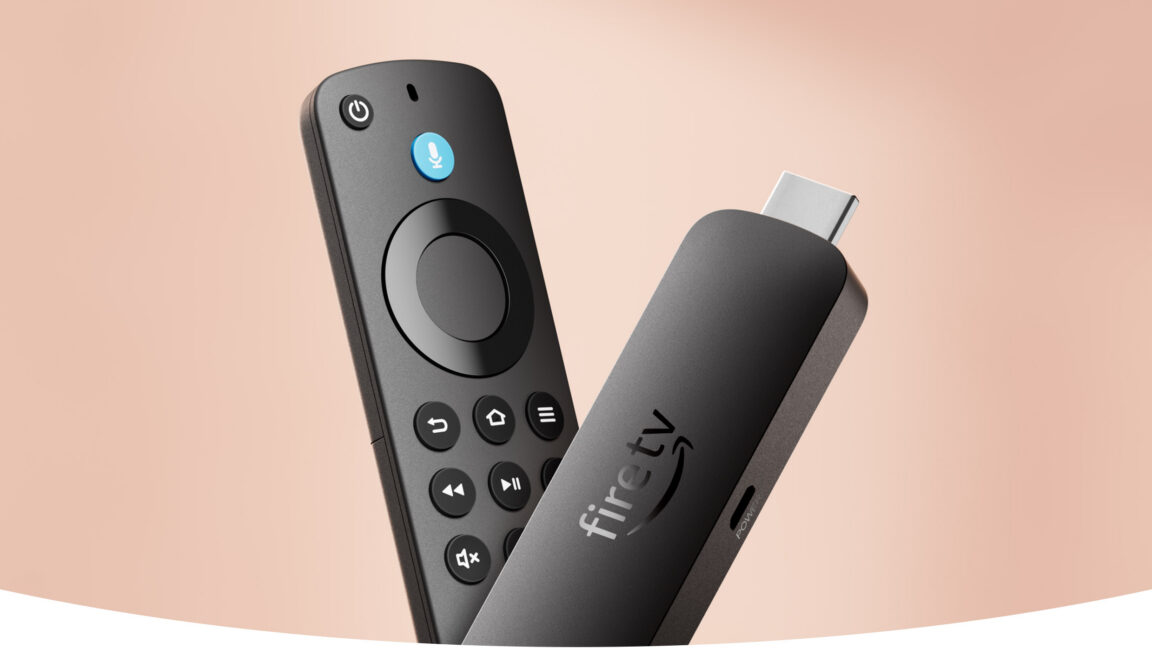
Amazon is pointing to malware and privacy risks as it moves new Fire Stick devices away from app sideloading. The change matters because Fire Sticks have long been used both by hobbyists seeking extra features and by piracy services that bypass official streaming apps.
Amazon has released two Fire Stick models running Vega OS, its own Linux-based operating system, according to Ars Technica. Older Fire Stick devices used Fire OS, an Android-based system built from the Android Open Source Project, and allowed users to install apps from outside Amazon’s Appstore.
Aidan Marcuss, Amazon’s vice president of Fire TV, advertising and Appstore, addressed the shift in an interview with Cord Busters, a UK streaming news outlet. Asked about criticism that Vega OS is a closed platform, Marcuss said the software gave Amazon a chance to add capabilities across its devices, including lower-cost models, Cord Busters reported.
Marcuss said security and privacy were high priorities for the platform, according to Cord Busters. When asked whether Amazon had evidence that sideloaded Fire TV devices had harmed users, he said apps tied to piracy and other sideloaded apps can include malware and unwanted behavior.
Marcuss did not cite a specific case of a Fire Stick user being harmed by a sideloaded app, Ars Technica reported. Amazon has previously acted against outside apps: in 2025, the company said it blocked four video streaming apps from being sideloaded because of malicious behavior, according to Android Authority.
AFTVnews reported at the time that two of those apps functioned as residential proxy providers and were treated as riskware, while two others had APK files flagged by virus-scanning tools. AFTVnews also reported that Safari and Chrome flagged one app’s official website. In 2018, a cryptocurrency-mining botnet that hit Android devices appeared on some Fire Stick devices, according to Ars Technica and discussion on XDA Forums.
Piracy pressure and platform control
Streaming piracy has also shaped the debate around Fire Sticks. Sky Sports, the Premier League and DAZN have been among the rights holders and streaming companies that linked Fire Sticks to illicit streaming, particularly sports piracy, according to Ars Technica and The Athletic.
Enders Analysis, a media and telecommunications research firm, said in May 2025 that Fire Sticks had enabled piracy worth billions of dollars, according to Ars Technica. Amazon’s decision to stop shipping new Fire Stick models with sideloading addresses a concern for streaming services at a time when Amazon and other platforms are investing more in live events and advertising.
Vega OS also gives Amazon tighter control over the Fire TV interface and app support. Ars Technica reported that Amazon has a history of disabling apps that let users bypass its home screen, which has become a larger venue for advertising on Fire devices.
That control has trade-offs for users. AFTVnews reported that Vega OS Fire Stick models lack or have weaker support for some features available on Fire OS devices, including Dolby Vision and USB storage. Cord Busters reported that, in the UK, the two Vega-based Fire Sticks support about 3,000 apps, compared with about 40,000 on Fire OS-based Fire Sticks.
Marcuss told Cord Busters that customers do not need tens of thousands of apps if the services and content they want are available. He said users can stream the “vast, vast, vast majority” of content on Vega OS Fire Sticks, according to the publication.
Developers can still sideload apps on Vega OS devices if they register their devices, Ars Technica reported. For ordinary users, however, Amazon’s newest Fire Stick software marks a clear break from the Android-era flexibility that helped make the devices popular with tinkerers.
This story draws on original reporting from Ars Technica.