
Rhythm Heaven Groove arrives on Switch with a TV latency caveat
Nintendo’s rhythm minigame series returns July 2, and The Verge says its Switch entry is strong in handheld play but less reliable on TV.
By Hana Yoshida · Markets Reporter
3 min read
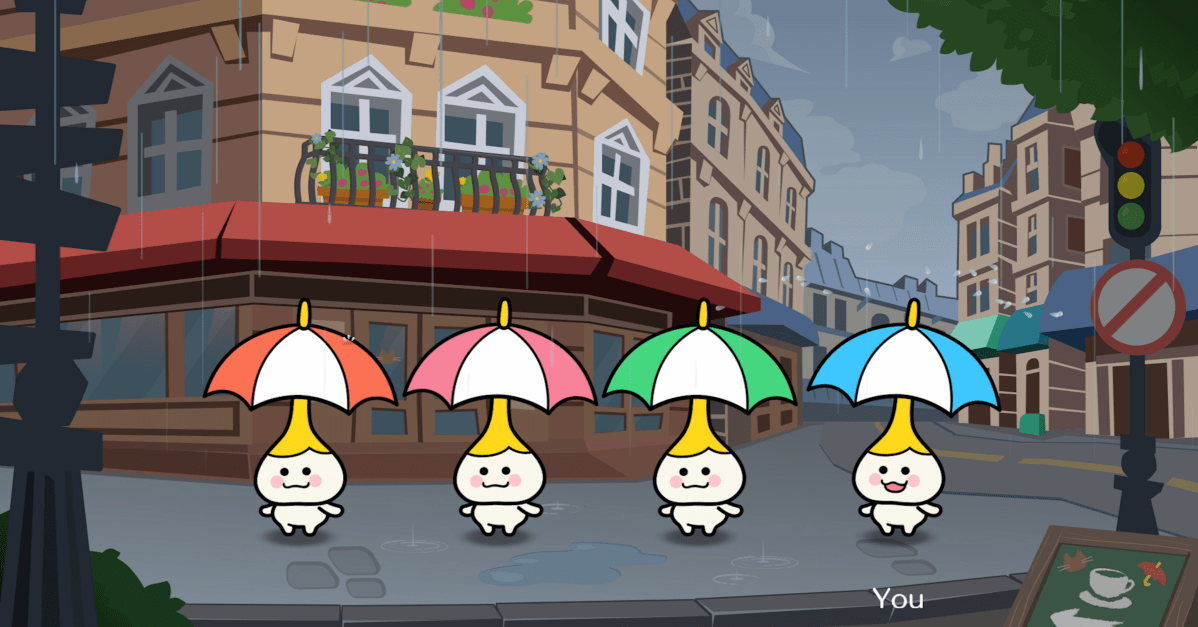
Nintendo’s Rhythm Heaven Groove is due on Switch on July 2, bringing back a music-driven minigame series that has been quiet for more than a decade, according to The Verge. In a review published July 1, The Verge’s Andrew Webster called the new entry a strong continuation of the series, while flagging a timing problem when playing on a television.
The Verge described Rhythm Heaven as a less prolific Nintendo franchise, with four earlier games before Groove, including one released only in Japan. Webster wrote that the series has built a reputation for consistency despite its smaller profile compared with Nintendo’s better-known properties.
According to The Verge, Groove keeps the core setup of earlier Rhythm Heaven games. Players move through short, oddball stages that ask them to press buttons in time with music, often using only one or two inputs while the challenge comes from staying on beat.
Webster compared the format to WarioWare, with the main difference being that Rhythm Heaven tests timing instead of quick reaction to random prompts. The review said Groove includes stages built around actions such as driving a car with gas and brake inputs, helping a crab throw macarons, dodging a sneezing moon, cutting vegetables and dancing behind a J-pop performer.
Familiar structure, new stages
The Verge said Groove does not sharply change the series formula. Webster wrote that players unlock stages over time, with difficulty rising as the game goes on.
The review said levels are arranged in groups of four, followed by remix stages that combine the previous games into one sequence. According to Webster, those remixes can be demanding because they ask players to switch between different actions while the music keeps changing.
The structure can also hold players back, The Verge said. Webster wrote that progress stops if a player cannot finish a required stage, citing a can-smashing minigame that took him a long time to learn.
Groove includes side activities outside the main path, according to the review. The Verge said those extras include musical toys, such as one involving a puffer fish and a tennis racket, and Beatspell, a small music-based role-playing game where button presses trigger spells in rhythm.
Webster said he liked Beatspell and wished it lasted longer, though The Verge noted that these side modes are unlocked through progress in the main game. That means players still have to clear required stages to reach more of the extras.
Handheld play fares better
The review’s main criticism focused on TV play. Webster wrote that he experienced a slight delay in button response when using the Switch on a television, regardless of which controllers he tried.
The Verge said Groove includes a calibration option meant to address timing differences between the console and TV, but Webster wrote that it did not fix the issue in his testing. He said the same levels he could clear in handheld mode became difficult on a television because timing precision is central to a rhythm game.
Despite that problem, The Verge’s review presented Groove as another effective entry in the series. Webster credited the game’s appeal to its catchy music, produced by Japanese singer-songwriter Tsunku, and its strange minigame concepts.
This story draws on original reporting from The Verge.