
Large Hong Kong study finds no Tylenol-autism link in pregnancy
Researchers found no association between prenatal acetaminophen exposure and autism or ADHD after comparing siblings in more than 700,000 families.
By Maya Lindqvist · Senior Technology Correspondent
3 min read
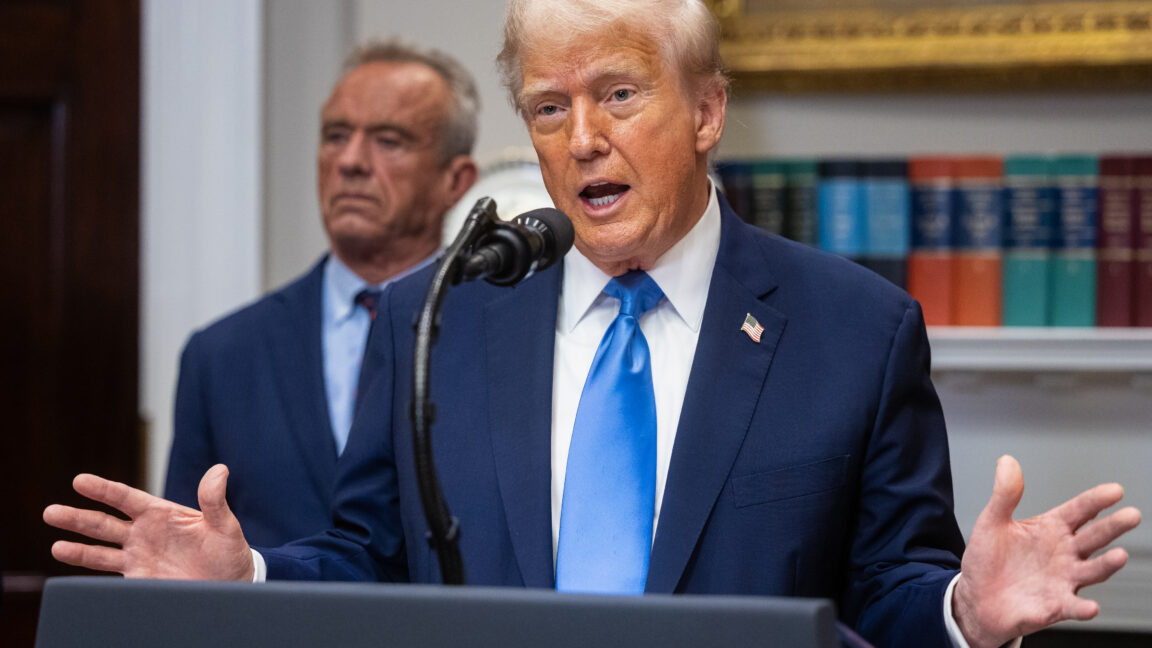
A large study of health records in Hong Kong found no evidence that taking acetaminophen during pregnancy raises children’s risk of autism or ADHD. The findings matter because President Donald Trump and Health Secretary Robert F. Kennedy Jr. have warned pregnant patients against using the drug despite criticism from medical groups.
The study, published in JAMA Internal Medicine, examined electronic health records from 2001 through 2023 for more than 700,000 mother-child pairs. Researchers reported that about 43% of the children in the dataset had been exposed to acetaminophen before birth.
Acetaminophen is sold as Tylenol in the United States and is also known as paracetamol. It is commonly used to treat pain and fever.
Sibling comparison found no association
The researchers used a sibling-matched design, comparing brothers and sisters in the same families when one child had prenatal exposure to acetaminophen and another did not. That approach is intended to reduce the effect of family-level factors that are hard to measure, including genetics and shared environmental exposures.
For autism, the sibling-matched analysis included more than 124,000 children. For attention-deficit/hyperactivity disorder, the analysis included more than 97,000 sibling-matched children.
The researchers found no association between prenatal acetaminophen use and either autism or ADHD. They also reported no link when they examined dose, trimester of use, frequency of use or the mother’s age.
The study did find an association when researchers used a more conventional comparison between exposed and unexposed children. But the researchers said that pattern also appeared in a negative-control analysis involving mothers who used acetaminophen before pregnancy or after birth, timing that would not plausibly cause a child’s neurodevelopmental condition.
“Collectively, these findings suggest that the positive signal observed in both conventional and negative control analyses reflect residual familial confounding, rather than a true pharmacologic effect of prenatal paracetamol exposure,” the researchers wrote.
Trump warning drew medical backlash
Trump and Kennedy said at a September press conference that acetaminophen use during pregnancy causes autism in children, a claim they made without clear evidence. Trump urged pregnant people not to take Tylenol for fever or pain and to endure symptoms instead.
Medical organizations criticized that advice, saying acetaminophen is considered a safe option for treating pain and fever during pregnancy. They also warned that untreated fever during pregnancy is known to increase risks, including autism, miscarriage, birth defects and premature birth.
The warning had consequences. Texas sued the maker of Tylenol over the alleged link, according to Ars Technica. A March study in The Lancet found that acetaminophen use among pregnant patients in emergency departments dropped 10% after the Trump press conference.
The Hong Kong results are consistent with other large sibling-matched studies. Researchers in Sweden reported no association in 2024, and researchers in Japan reported a similar finding in 2025.
This story draws on original reporting from Ars Technica.