
Zimbabwe dinosaur discovery reveals 210-million-year-old species
Scientists identified Musango matusadonaensis from a Lake Kariba fossil, adding evidence of varied Late Triassic ecosystems in southern Africa.
By Tom Brennan · Health & Medicine Correspondent
3 min read
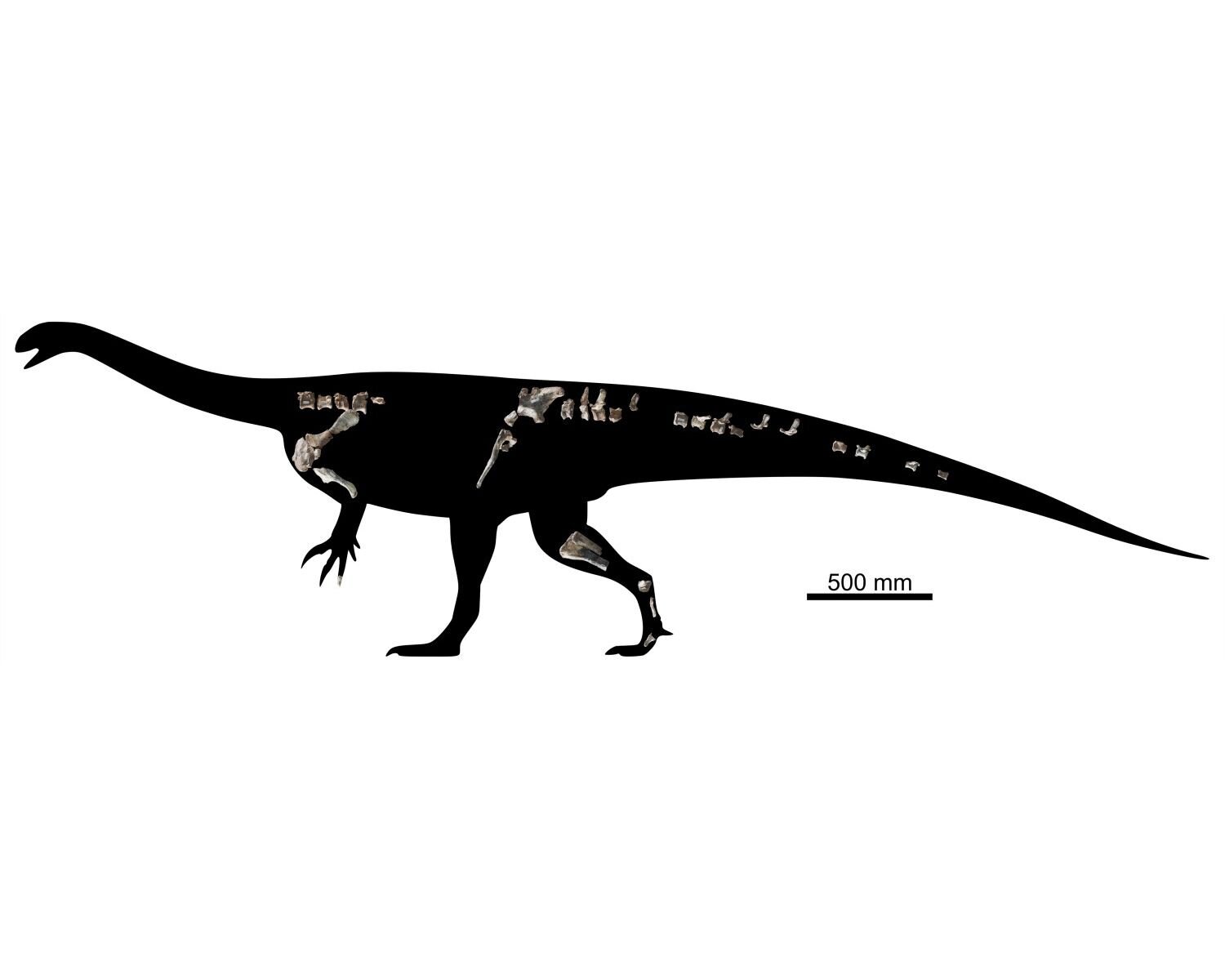
A Zimbabwe dinosaur discovery has identified a new species that lived about 210 million years ago, according to an international team of paleontologists. The finding matters because it points to a more varied dinosaur record in southern Africa than researchers once assumed.
The species, named Musango matusadonaensis, was described from a skeleton excavated in 2018 on the shores of Lake Kariba in northern Zimbabwe. The team’s findings were published in the Journal of Systematic Palaeontology.
Researchers said Musango is the fifth dinosaur identified from Zimbabwe. It lived during the Late Triassic, a period when dinosaurs were spreading across the planet but had not yet become the dominant land animals.
What is Musango matusadonaensis?
Musango matusadonaensis was a lightly built dinosaur estimated at about 4.5 meters, or 15 feet, long, and roughly 222 kilograms, or 490 pounds. The name draws from the Shona word “musango,” meaning “living in the bush,” according to the scientists.
The preserved fossil includes parts of the spine, ribs, arms, legs and feet, making it one of the most complete dinosaur skeletons of its age found in Zimbabwe, the researchers said. Its skull has not been found.
Based on the available bones, researchers estimated the animal was about 8 years old and nearly fully grown when it died. They also said the skeleton showed signs that the dinosaur had survived a serious injury or infection.
Why the Lake Kariba fossil changes the picture
Paul Barrett, a researcher at the Natural History Museum in London, said scientists had until recently thought dinosaurs across southern Africa were broadly similar. The new fossil suggests the region instead contained several distinct ecosystems, with different dinosaur species living in them, Barrett said in a statement.
That interpretation makes the Zimbabwe find significant beyond the naming of a new species. It suggests that the fossil record from the area may still represent only a small part of the dinosaur diversity that existed there, according to Barrett.
Researchers believe Musango was probably a herbivore or an omnivore. Without the skull, they cannot say for certain, but the team said it may have fed on plants growing near rivers and streams.
How does it compare with other Zimbabwe dinosaur finds?
Musango was larger than Mbiresaurus raathi, the dinosaur described in 2022 as Africa’s oldest known dinosaur. Mbiresaurus lived about 230 million years ago, stood about 1 meter, or 3 feet, tall, had a long tail and weighed up to 30 kilograms, or 66 pounds, according to scientists cited in earlier reporting.
The new species comes from the Pebbly Arkose Formation in the Kariba area, according to the paper by Barrett and colleagues. Its age places it later than Mbiresaurus but still within an early chapter of dinosaur evolution, before later groups produced the much larger long-necked forms known from the Jurassic and Cretaceous.
The study adds Zimbabwe to a growing body of Triassic dinosaur research from southern Africa. For paleontologists, each new skeleton helps test how early dinosaurs spread, how they differed by region and what kinds of environments they occupied.
This story draws on original reporting from Phys.org.