
Scott Kirby calls for national wealth tax and near-100% inheritance tax
United’s CEO said he would pay higher taxes under his proposal but gave no thresholds or details for how it would work.
By Sofia Marchetti · World Affairs Correspondent
3 min read
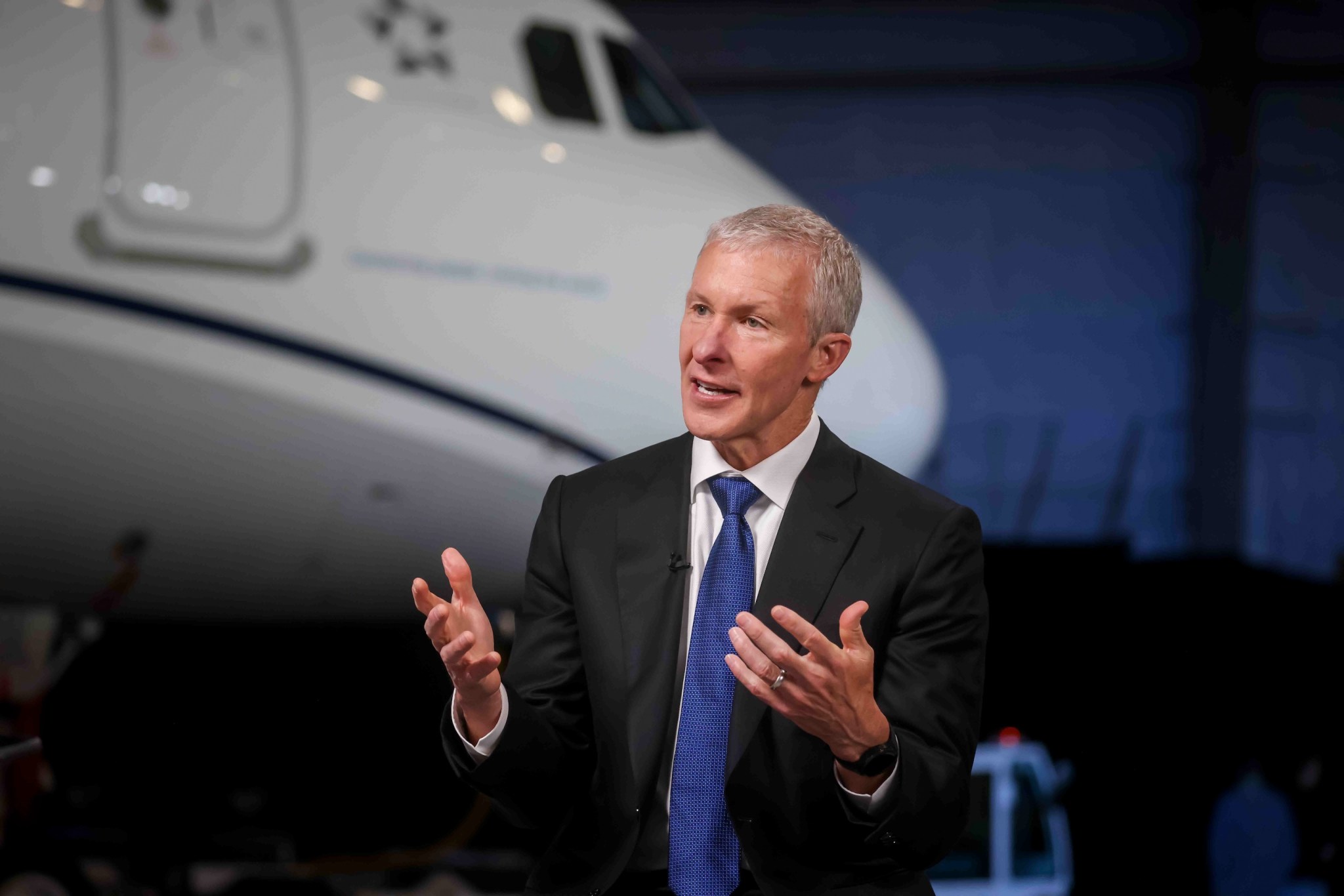
United Airlines CEO Scott Kirby called for a national wealth tax and inheritance taxes that could approach 100%, saying he would pay them under such a system. The remarks put the Scott Kirby wealth tax proposal alongside reported 2025 compensation of $32.28 million and leave key details, including who would be taxed, unspecified.
In an interview with The New York Times published Oct. 18, Kirby said wealth inequality had become a danger to society, according to Fortune and The Hill. He argued that a state-by-state wealth tax would fail because people could move.
“We should have a national wealth tax—it won’t work by state because people will just move,” Kirby said, according to the reports. “And I think we should have inheritance taxes that get close to 100% at some level. I would pay them.”
What did Scott Kirby propose?
Kirby endorsed a federal tax on wealth and an inheritance tax that could rise close to 100% at an unspecified point. He did not say what level of wealth would trigger the proposed wealth tax, how it would be calculated, or how large an inheritance would face the highest rate, Fortune reported.
His statement was a personal policy view reported from the interview, rather than a formal United Airlines policy. Without thresholds, rates or a tax design, the effect on Kirby or other taxpayers cannot be determined from his comments.
How does the proposal compare with current federal taxes?
The United States has no federal inheritance tax, Fortune reported. An inheritance tax is charged to people receiving property or money from someone who has died; some states impose one.
The federal government instead levies an estate tax, paid by the estate before assets are distributed to heirs. The top federal estate-tax rate is 40%, and the basic exclusion is $15 million for people who die in 2026, according to IRS guidance cited by Fortune. That makes Kirby’s reference to an inheritance tax distinct from the current federal estate tax.
Kirby’s pay provides context
United’s proxy statement listed Kirby’s total 2025 compensation at $32.28 million, Fortune reported. The package included $1.2 million in salary, $22.6 million in stock awards, $8 million in non-equity incentive pay and about $500,000 in other compensation.
The same filing put median annual compensation for a United employee at $96,670, a ratio of roughly 334-to-1 compared with Kirby’s pay, according to Fortune. Those figures describe compensation, not Kirby’s net worth or any tax liability he would face under his proposed framework.
The Hill also reported Kirby’s support for national wealth and inheritance taxes, citing the same New York Times interview. United did not respond to Fortune’s questions about the tax thresholds and rates Kirby would support.
This story draws on original reporting from Fortune.