
World Bank continental drying report warns of falling freshwater reserves
The World Bank says freshwater stored on land has fallen for two decades, raising risks for farms, jobs and ecosystems.
By Tom Brennan · Health & Medicine Correspondent
3 min read
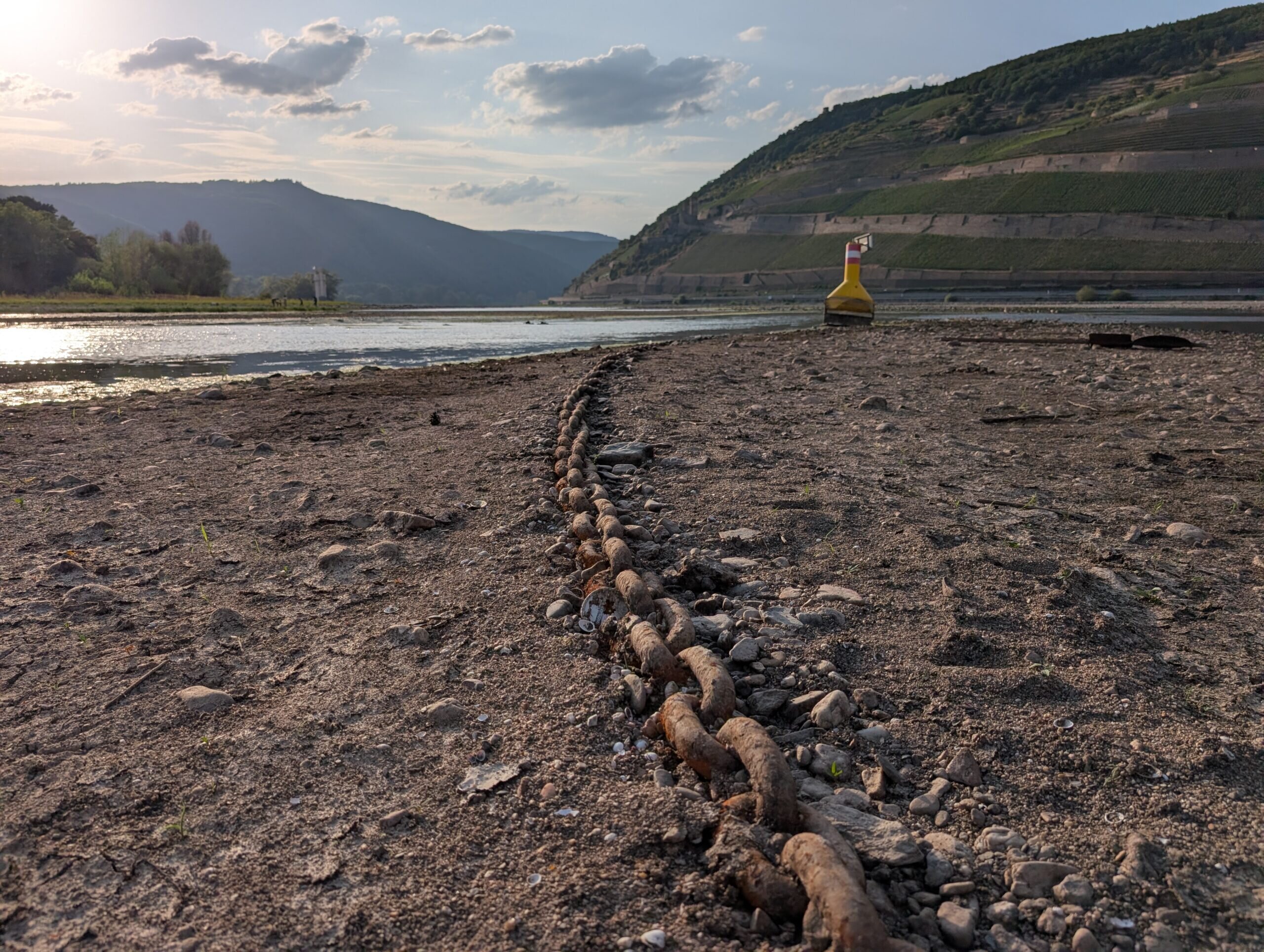
The World Bank continental drying report says freshwater held on land has been declining worldwide for two decades, a trend it links to warming, drought and unsustainable water and land use. The report warns that the loss can affect employment, food production, ecosystems and wildfire risk.
In its 2025 Global Water Monitoring Report, Continental Drying: A Threat to Our Common Future, the World Bank estimates that global freshwater reserves fell by 324 billion cubic meters a year over the past 20 years. It says that volume is equivalent to the annual water needs of 280 million people.
What does continental drying mean?
The World Bank uses the term for a long-term decline in freshwater availability across large land areas. Its estimate covers water stored above ground and in aquifers, rather than suggesting that water is disappearing from the planet.
The trend is uneven. The report says dry places are generally becoming drier faster than wetter places are becoming wetter, producing large connected drying regions. It puts the median loss at about 3% of annual renewable freshwater supply across all basins and 10% in arid basins already facing drying.
Why are freshwater reserves declining?
The World Bank identifies global warming, worsening droughts, and unsustainable water and land use as contributors. During droughts, the report says, rainfall deficits reduce runoff, soil moisture and groundwater recharge, while higher temperatures increase atmospheric evaporative demand.
A separate Arizona State University-led study, published in Science Advances in July 2025, analyzed more than two decades of GRACE and GRACE-FO satellite observations. It found unprecedented freshwater losses on land since 2002 and attributed the broader trend to climate change, unsustainable groundwater use and extreme droughts.
That study measures terrestrial water storage, which includes surface and vegetation water, soil moisture, ice, snow and groundwater. It identified four continental-scale drying regions in the Northern Hemisphere, while reporting that the tropics have continued to become wetter on average by latitude since 2002.
What could continental drying mean for people?
The World Bank says water scarcity can damage jobs and incomes. It estimates that droughts in Sub-Saharan Africa left 600,000 to 900,000 people unemployed each year between 2005 and 2018.
The report also says drying compounds the harm warming causes to agricultural productivity. Agricultural trade can spread the effects beyond the places where shortages begin, it says, by increasing water dependencies among countries.
Lower terrestrial water storage also raises the likelihood and intensity of wildfires worldwide, according to the World Bank. Areas with high biodiversity are especially vulnerable to fires associated with drying.
What does the World Bank recommend?
The report proposes three broad responses: manage water demand, add to available supply and improve how water is allocated. It also points to lower trade barriers, education and skills investment, and wider access to markets and finance as measures that can help protect livelihoods as water pressures grow.
This story draws on original reporting from Phys.org.