
Vascular disease risk awareness survey finds few adults discuss it with clinicians
A survey of 1,000 U.S. adults found 69% had never discussed vascular disease with a clinician, highlighting limits of self-reported awareness.
By Tom Brennan · Health & Medicine Correspondent
3 min read
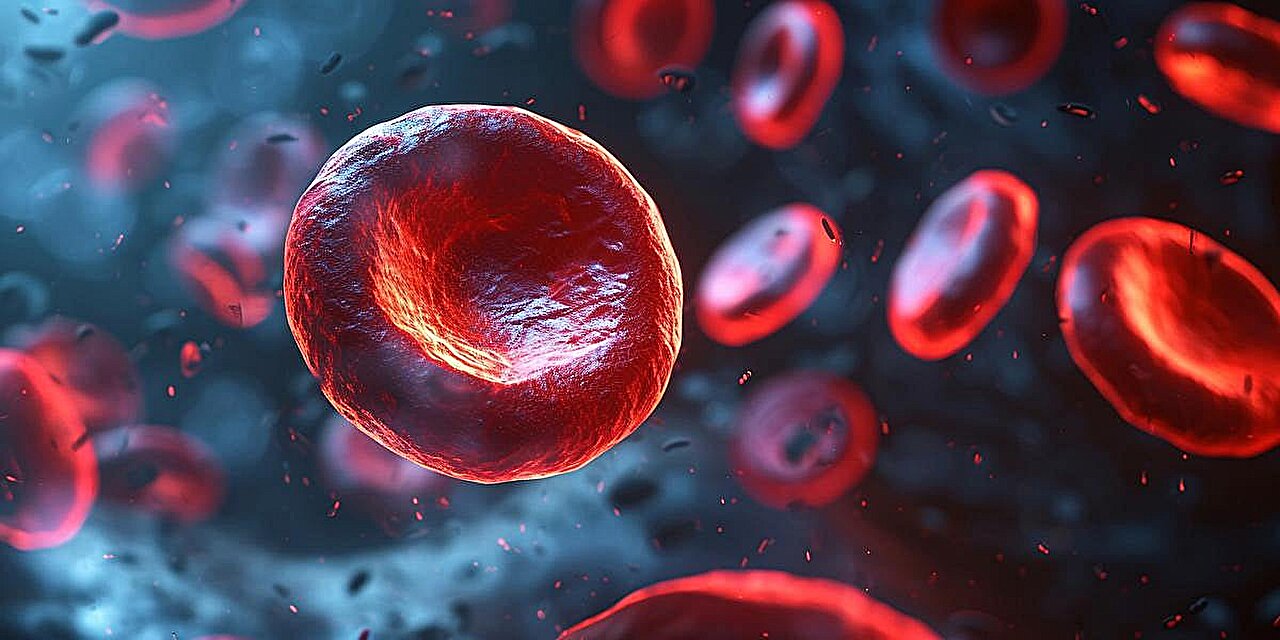
A new vascular disease risk awareness survey found that 69% of 1,000 U.S. adults said they had never discussed vascular disease with a health care provider. The finding matters because some major cardiovascular risk factors can go unnoticed without measurement or testing, according to the Centers for Disease Control and Prevention.
The Society for Vascular Surgery released results from the online survey, conducted July 9-14, 2026. MedicalXpress reported the results on Sept. 15.
What did the vascular disease survey measure?
The survey measured what respondents said about their prior conversations, attitudes and likely actions concerning vascular health. It did not assess participants' medical records, diagnoses or individual likelihood of having vascular disease, and the supplied results do not establish whether the online sample represented all U.S. adults.
Among the responses, 51% said they would seek care immediately for coldness or numbness in the legs. MedicalXpress described those lower-body symptoms as associated with common vascular diseases, but the survey does not show that people reporting such symptoms have a vascular condition.
Seventy-three percent said they would be most likely to undergo peripheral artery disease screening if a doctor recommended it. Sixty-five percent said learning that peripheral artery disease can raise the risk of heart attack or stroke would make them most likely to be screened, according to MedicalXpress.
Which risk factors can be missed without testing?
The CDC lists high blood pressure, high cholesterol and smoking among key heart-disease risk factors. Diabetes and obesity can also raise risk, while diet, physical activity, alcohol use, age and family history are among other factors the agency identifies.
High blood pressure usually causes no symptoms, so it must be measured to be identified, the CDC says. High cholesterol also generally has no signs or symptoms and requires a cholesterol test, such as a lipid profile.
The survey results concern reported discussion of vascular disease, rather than whether respondents knew their own blood pressure, cholesterol or other measurements. That distinction is important: awareness of a condition, a conversation with a clinician and a diagnosis are different measures.
Earlier research has found incomplete awareness of measured cardiovascular risk factors in a separate group. A peer-reviewed study using 2011-14 National Health and Nutrition Examination Survey data found that among U.S. adults ages 18 to 39 with high cholesterol, hypertension or diabetes, self-reported awareness was 56.9%, 62.7% and 70%, respectively. Fewer than one-quarter of young adults with borderline cholesterol, blood-pressure or blood-glucose levels knew of their risk, the study reported.
Those older findings are not comparable with the 2026 online survey, which covered reported vascular-health discussions in a broader adult sample. Taken separately, they are consistent with incomplete awareness of measured cardiovascular risk factors among young adults and limited reported discussion of vascular disease among the survey's respondents.
Readers can review the CDC's heart-disease risk-factor guidance for more information on the conditions and behaviors it identifies.
This story draws on original reporting from Medical Xpress.