
Why young children say 'I hate you' and how parents can respond
Researchers say the phrase often reflects emotional overload, not rejection, and advise parents to stay calm, set limits and reconnect.
By Priya Raghavan · Science Reporter
3 min read
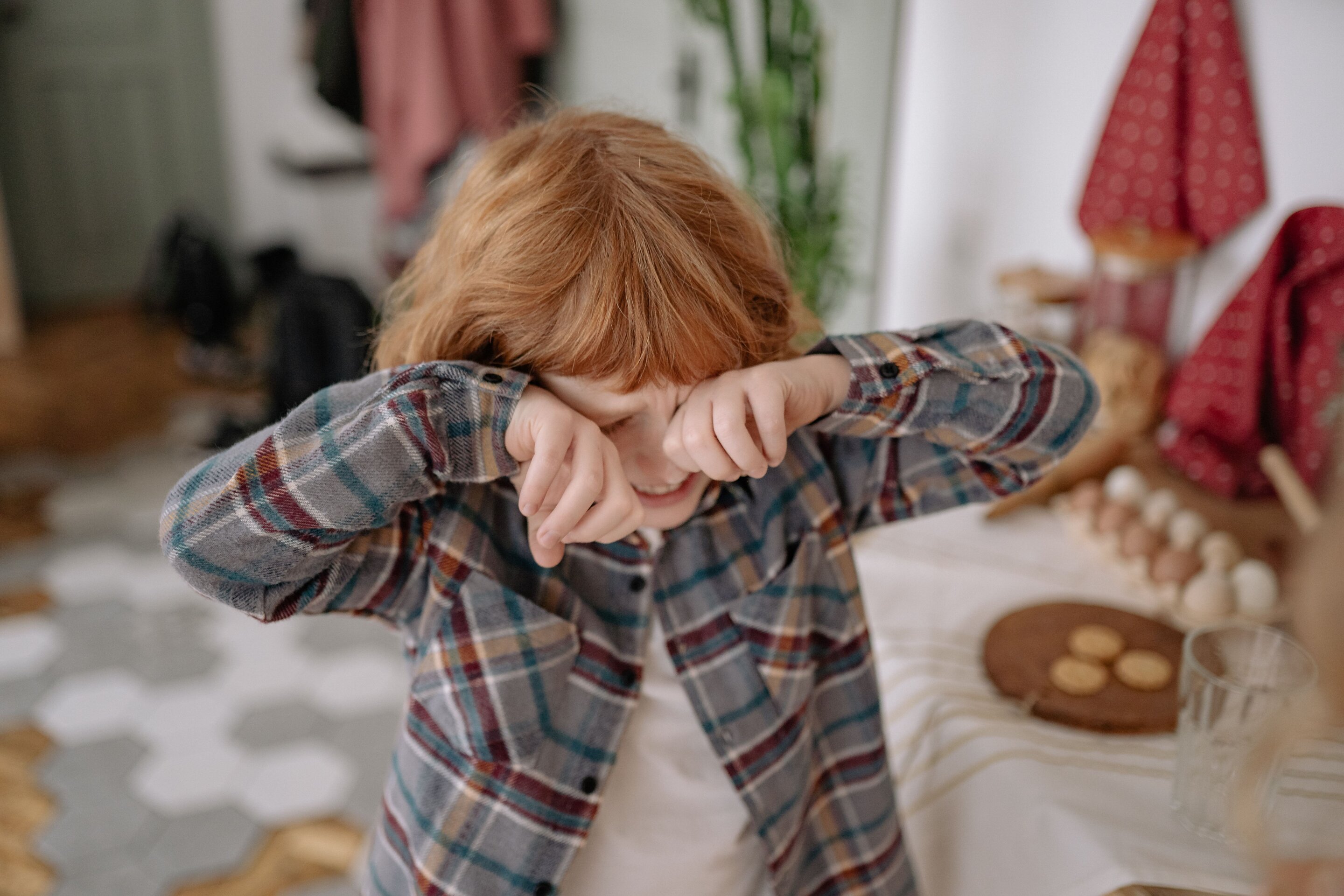
Young children who tell a parent “I hate you” are often struggling to express anger or disappointment, according to researchers Alison Fogarty, Grace McMahon and Monique Seymour writing for The Conversation. Their guidance matters because a harsh outburst can feel deeply personal to parents, even when it is part of a child’s developing ability to handle strong feelings.
The researchers say the phrase can hit a sensitive spot because many parents already worry about whether they are doing a good job. For adults who grew up in homes where intense emotions were ignored, played down or hidden, a child’s anger may also feel alarming or shameful, they write.
Fogarty, McMahon and Seymour say parents should avoid reading the words as a clear statement of what the child believes. Young children, especially those younger than 6, are still developing the brain systems involved in emotional control, and children of different ages can struggle to describe overwhelming feelings.
According to the researchers, a child who has just been told no, or who must leave a playground before they are ready, may reach for the strongest words available. The child may not understand the full meaning of the phrase.
The researchers also say children are more likely to show difficult emotions around adults they trust. In their account, those outbursts can reflect a secure relationship, because the child expects the caregiver to stay present and continue loving them.
What parents can do in the moment
Fogarty, McMahon and Seymour advise parents to pause before reacting. Taking a breath can help the adult steady their own emotions and show the child what regulation looks like, they write.
The next step, according to the researchers, is to name and accept the emotion without endorsing hurtful words. A parent might say they can see the child is angry and understands that stopping play is hard. The aim is to show the child that anger can be noticed and tolerated.
They caution against rushing straight into problem-solving. Some children may want a hug or a calm adult sitting nearby, while others may need more space, the researchers write. Staying attentive while the feeling passes can help the child regain calm.
Once the child has settled, Fogarty, McMahon and Seymour recommend returning to the limit. Parents can tell a child that anger is allowed, while also explaining that saying “I hate you” can hurt someone. They suggest asking what the child could say next time.
Repair after the conflict
The researchers say reconnection after an argument helps maintain the parent-child bond. A parent might acknowledge that the moment was difficult, recognize that the child was upset and make clear that love remains even during anger.
They also recommend building children’s emotional vocabulary outside moments of conflict. Books and play can help children learn names for feelings, while practicing calming strategies when children are already settled may give them options later.
Those strategies can include jumping, coloring, going outdoors or petting an animal, according to the researchers. The goal is to give children alternatives to hurtful language when intense feelings appear.
Fogarty, McMahon and Seymour add that parents who often feel distressed by these incidents should seek support. They point to friends, a GP, a psychologist or a helpline as possible places to turn.
This story draws on original reporting from Phys.org.