
Urban heat daylight inequality grows as climate shifts reshape city life
UEA researchers say heat and daylight changes are widening urban inequality, with London and Delhi showing uneven risks for residents.
By Priya Raghavan · Science Reporter
3 min read
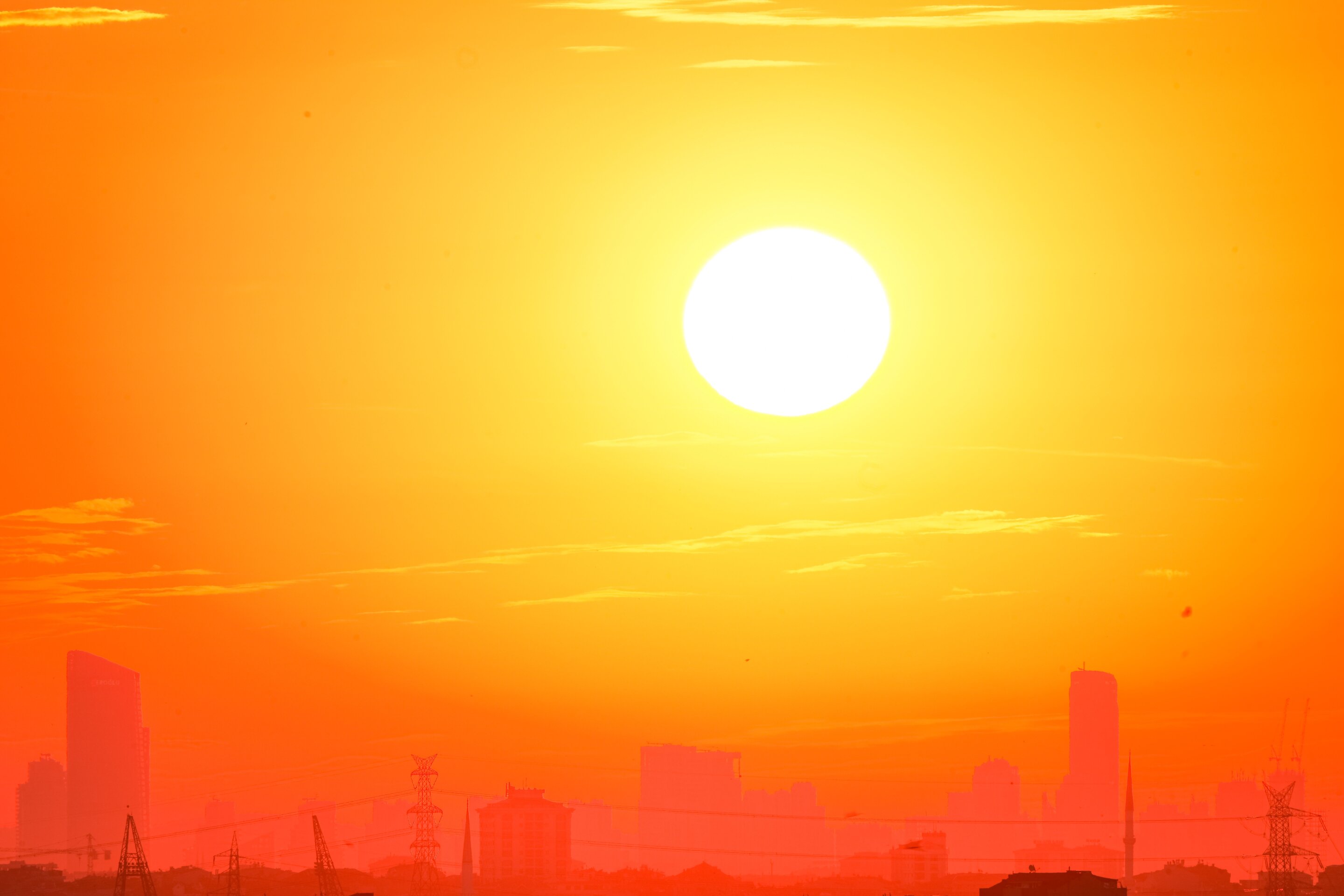
Urban heat daylight inequality is becoming a sharper problem as climate change and city design alter how people live, work and rest, according to researchers at the University of East Anglia. Their study argues that planning for climate adaptation must account for how residents physically experience heat, light and shade, especially in communities with fewer resources.
Writing in Urban Studies, Kavita Ramakrishnan and Casper Ebbensgaard use London and Delhi to show how rising temperatures and changing daylight conditions affect daily routines in unequal ways. The researchers say housing quality, access to green space, work patterns and neighborhood design shape who can avoid extreme conditions and who cannot.
Ebbensgaard, a lecturer in human geography at UEA’s School of Environmental Sciences, said climate change is not felt evenly and that understanding everyday experiences of heat and daylight is needed to build fairer cities. Ramakrishnan, from UEA’s School of Global Development, said the examples show how climate pressures intersect with planning and housing development.
How do heat and daylight create inequality in cities?
The researchers use the terms thermal justice and daylight justice to describe whether people have fair access to safe temperatures, shade, sunlight and healthy indoor conditions. Thermal justice concerns exposure to heat and the ability to cool down; daylight justice concerns access to natural light that supports sleep, mood and daily biological rhythms.
In Delhi, the study points to heat as a direct threat for people who work outdoors or live in poor-quality housing. According to the researchers, a lack of shade leaves outdoor workers, street vendors and informal laborers more exposed to fatigue, dehydration, heatstroke and death.
The study notes that Delhi recorded temperatures of 49.9°C, or 122°F, in May and June 2024. A higher reported reading of 52.9°C, or 127°F, was later attributed to either a fault or local factors, according to the researchers.
UEA’s account of the research says temperature measurements can miss how heat is felt by different bodies and social groups. The authors argue that class, gender and caste can influence exposure and vulnerability, while infrastructure failures can make dangerous heat harder to escape.
During a Delhi heat wave in May this year, power cuts kept some residents from using fans and cooling appliances, according to the researchers. They say that left indoor temperatures at unsafe levels and disrupted rest, especially in informal housing.
Why daylight access has become a planning issue
In London, the study focuses on a different problem: loss of daylight caused by high-rise development. The researchers say excessive shade and reduced natural light can affect sleep, emotional well-being and the ability to sense daily changes in weather and light.
Social housing residents and marginalized groups are more likely to face poor daylight conditions, according to the authors. Some residents have reported losing any view of the sky from inside their flats, which the researchers link to reduced access to the light cues that help regulate sleep, hormones and energy.
The authors say some residential and campaign groups have pushed local authorities and developers to recognize daylight and sunlight loss in planning decisions. Ebbensgaard said framing daylight as tied to mental health, disease resistance and healthy housing has helped advocates shift debates beyond housing numbers and building heights.
The researchers conclude that scientific data remains useful for tracking heat, rainfall, pollution and shortages, but it may not show the full effect on health and daily life. They call on planners, policymakers and community leaders to include social justice in climate adaptation, including better cooling spaces, protection from extreme heat and closer attention to how environmental change is experienced across each day and season.
This story draws on original reporting from Phys.org.