
Silver diamine fluoride for cavities stops decay in U.S. trial
A Phase III study found the brush-on liquid stopped decay in more than half of treated baby teeth, potentially widening drill-free care.
By Lucas Ferreira · Science & Environment Writer
3 min read
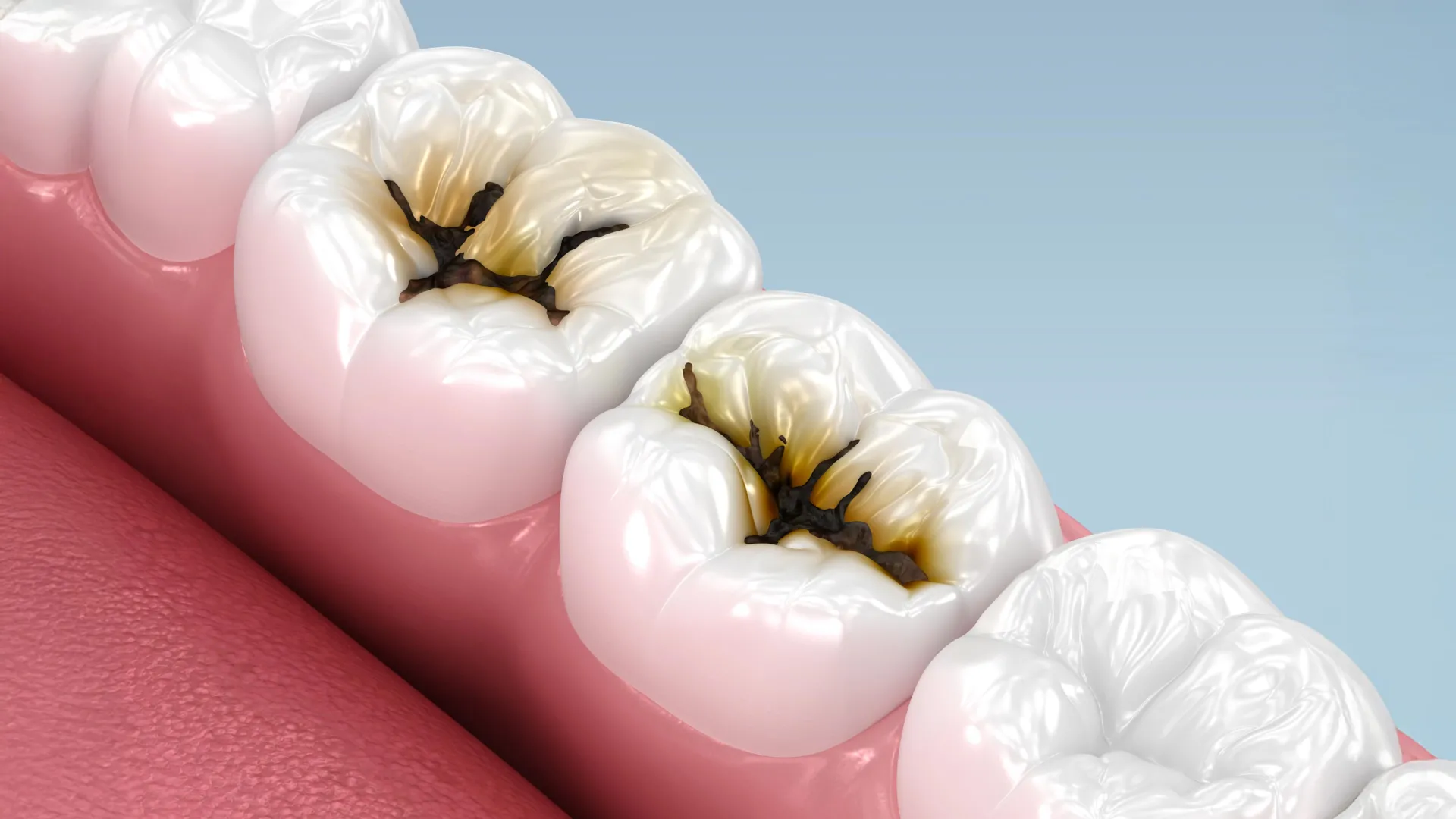
A brush-on liquid called silver diamine fluoride for cavities stopped decay in more than half of treated baby teeth in a major U.S. trial, the University of Michigan said. The finding could give dentists and pediatric clinicians another way to treat severe early childhood tooth decay without drilling, shots or sedation.
The Phase III study, published in JAMA Pediatrics, enrolled 830 children younger than 6, according to the University of Michigan. Children were recruited through dental offices, pediatric medical practices, and Head Start and Early Head Start programs in Michigan, New York and Iowa.
Researchers tested 38% silver diamine fluoride, or SDF, applied to affected baby teeth every six months. The University of Michigan said the treatment arrested decay in more than half of the teeth treated in the trial.
What is silver diamine fluoride for cavities?
Silver diamine fluoride is a low-cost liquid that dentists paint directly onto a cavity with a small sponge-tipped applicator, according to the University of Michigan. The application takes seconds per tooth and does not require removing damaged tooth structure.
Traditional cavity care usually means drilling away decayed material and placing a filling. SDF works as a noninvasive option to stop active decay, though the University of Michigan said it permanently turns the decayed part of the tooth dark.
Margherita Fontana, a professor at the University of Michigan School of Dentistry and the study’s lead investigator, said the trial showed the treatment was effective and safe, including for children as young as 1. The university said SDF has been used in other countries for decades and has been used off-label by U.S. dentists since 2014, when it was approved as a medical device to reduce tooth sensitivity.
Why the cavity treatment matters for children
Tooth decay is the most common chronic disease among children and affects more than 40% of children in the United States, according to the University of Michigan. Untreated cavities can cause pain, infection, sleep and eating problems, missed school, and repeated medical visits.
The university said thousands of young children go to U.S. emergency departments each year for untreated cavities. Hospital clinicians often cannot fix the dental problem there, and some children later need surgery under general anesthesia.
Fontana said the treatment could be useful for very young children, older adults, people with developmental or physical disabilities, patients with severe dental anxiety, and people who have limited access to standard dental care. She also said broader acceptance could allow cavities to be treated while children await a dental referral, before pain, infection or surgery becomes more likely.
Could SDF get FDA approval for tooth decay?
The University of Michigan said the study provides clinical evidence that the manufacturer can use in seeking Food and Drug Administration approval of SDF as a drug for treating dental caries. Elevate Oral Care supplied Advantage Arrest 38% SDF, the product tested in the trial.
Amr Moursi, a professor of pediatric dentistry at New York University College of Dentistry and a co-principal investigator, said the results support FDA approval for managing arrested tooth decay in young children. He said removing SDF from off-label status could increase use by providers, support insurance payment and improve consistency in product quality.
The research included investigators from the University of Michigan, New York University, the University of Iowa, Indiana University and the National Institute of Dental and Craniofacial Research. The institute provided more than $12 million for the study, according to the University of Michigan.
This story draws on original reporting from ScienceDaily.