
Salamanca AI robot teacher plan paused after privacy concerns
Salamanca schools put a $60,000 Realbotix humanoid robot pilot on hold amid data privacy questions and objections from teachers.
By Tom Brennan · Health & Medicine Correspondent
3 min read
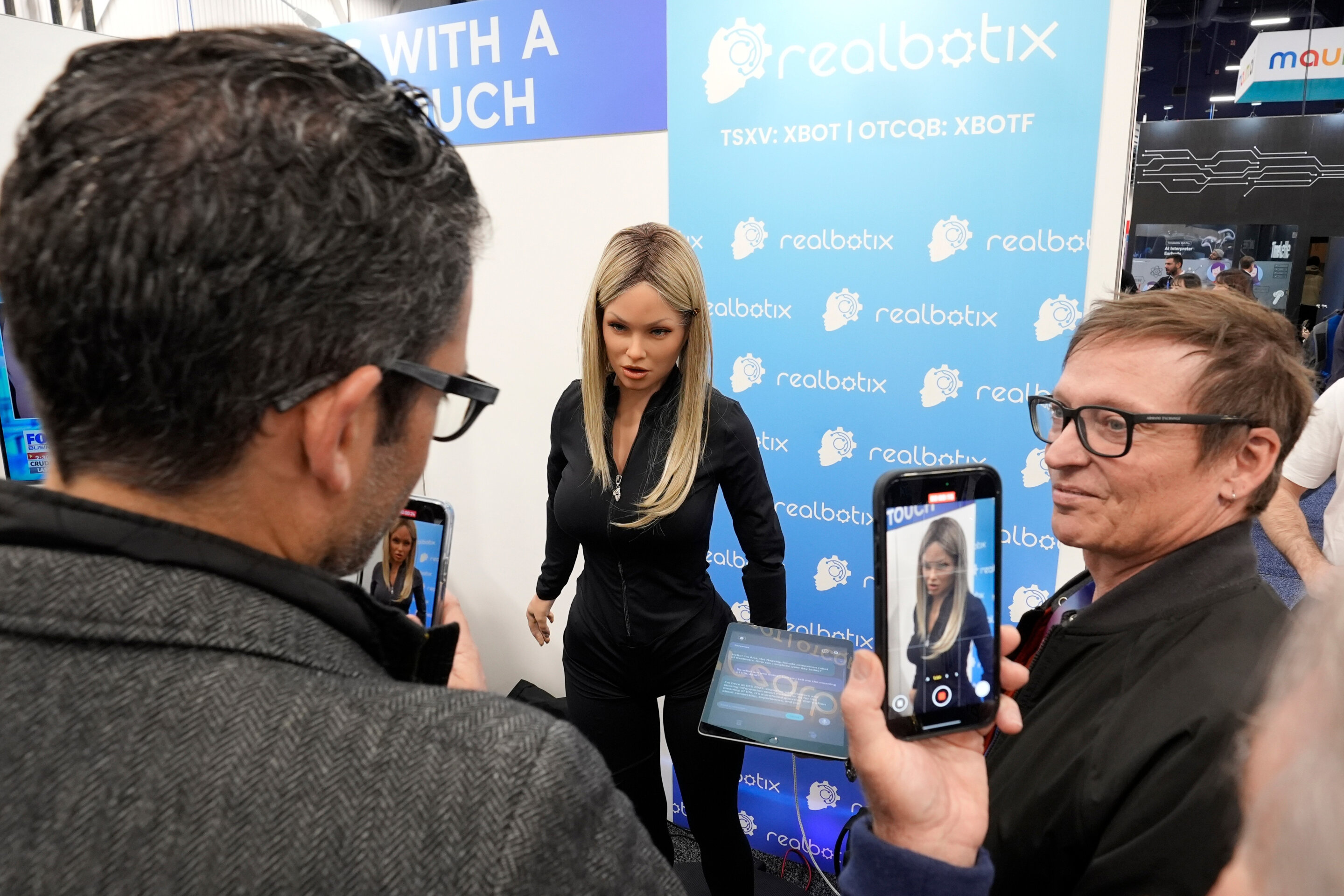
Salamanca’s AI robot teacher pilot is on hold after New York education officials, union leaders and residents questioned the classroom role of a humanlike machine made by Realbotix. The rural upstate district had approved a nearly $60,000 purchase for a stationary humanoid robot nicknamed “Sally” as part of a technology and robotics effort.
Superintendent Mark Beehler said Tuesday that the robot was intended to support high school students studying robotics and technology, including by explaining tools such as Arduino boards and helping students learn maintenance, updates and troubleshooting. He said the project also includes a virtual AI teacher’s assistant and an at-home tutoring program.
The district said Friday on Facebook that the pilot remains paused while it works with state education officials on stronger student data privacy agreements and continues talking with the community. The delay followed concern over student information and criticism tied to Realbotix’s corporate relationship with a sister company connected to hyperrealistic sex dolls.
Why did Salamanca pause the AI robot teacher?
State Education Commissioner Betty Rosa told the district in a Friday letter that she still had concerns after her staff met with local officials. Rosa said district leaders had stated the robot would not deliver classroom instruction, while a board presentation described it as a tutoring platform.
Rosa also raised questions about privacy and security protections, according to the letter. The district has said Sally will not collect students’ personal information, record audio or video, or transmit data to Realbotix.
New York State United Teachers President Melinda Person objected more broadly to the plan. Person said a robot from a company associated with sex dolls should not be in classrooms and argued students need relationships with caring adults, not robots.
Beehler rejected the idea that the robot could replace educators. He said Tuesday that teaching depends on human relationships and that using a robot as a substitute for staff would not serve students’ interests.
What is Realbotix, and what did it say?
Realbotix said Tuesday that student authentication would run through the district’s existing systems and that any student-linked data would stay encrypted and controlled by the district. The company also said Sally was built for education and was not a modified sex doll.
The robot comes from Realbotix LLC, which the company says works on healthcare, education and other nonadult commercial uses. Realbotix said a separate subsidiary, Intima LLC, has an ownership stake in RealDoll, a sex doll maker with AI-powered models.
In a statement last week, Realbotix said the two subsidiaries have separate products, management, staff, payroll, facilities, manufacturing, product development and market strategies. District officials have also said Sally will avoid subjects such as sex, violence and gambling, and will not search the public internet or use unvetted generative AI services.
How the district defended the project
Beehler said Realbotix was a practical match because its robots already include WozEd, a curriculum from Apple co-founder Steve Wozniak that Salamanca uses. He said a former colleague connected him with the Las Vegas-based company.
The district has argued that the life-sized robot would store information locally and use about as much electricity as a laptop. Beehler said students in Salamanca, which sits near the Pennsylvania state line on the Seneca Nation of Indians reservation, often must travel one to two hours to see emerging technology.
Some residents remain skeptical. Joplin Ficek, a 2024 Salamanca High School graduate who works at a daycare, said the school should hire more people and give children more human interaction instead of putting a robot in a prominent role.
This story draws on original reporting from Phys.org.