
Polyethylene pipe weld strength traced to molecular memory in simulations
Simulations suggest faint traces of former surfaces seed crystal growth at polyethylene welds, making the seam stiffer than nearby pipe.
By Lucas Ferreira · Science & Environment Writer
3 min read
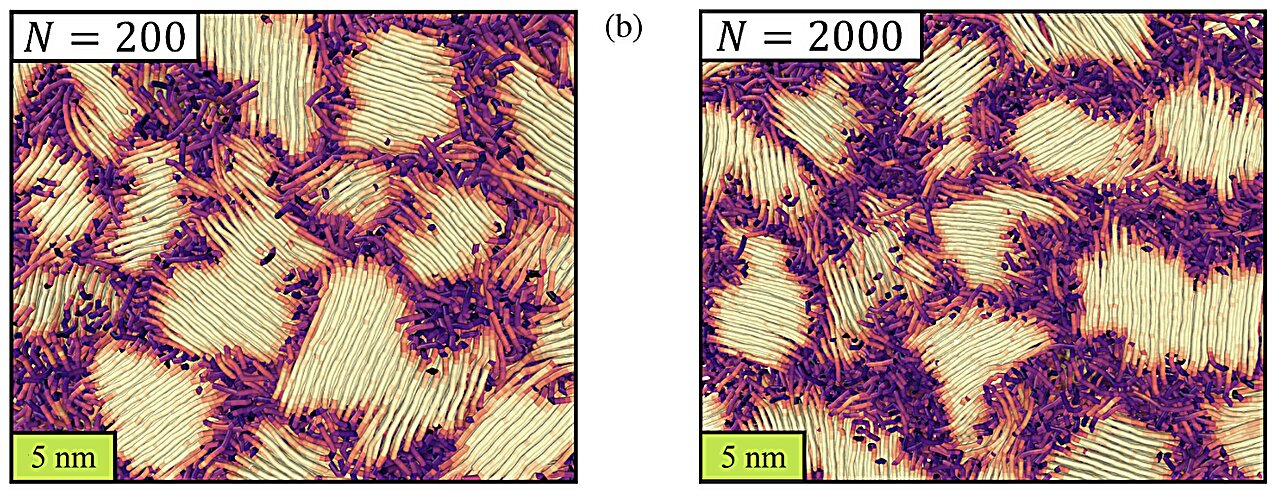
New simulations offer an explanation for polyethylene pipe weld strength: a faint molecular imprint of the surfaces that were joined can help make the seam stiffer than the pipe around it. The work matters because welded polyethylene joints are used where avoiding leaks is critical, yet the reason a well-made seam can resist failure had not been clear at the molecular level.
The study, led by Michele Valsecchi and published in Physical Review Letters, used large-scale molecular-dynamics simulations of two molten polyethylene layers as they merged and cooled, according to Phys.org. It proposes a mechanism for semicrystalline polyethylene rather than a rule for every type of plastic or a direct measurement of pipelines in service.
Why can a polyethylene pipe weld be stronger than the pipe?
Polyethylene is built from long molecular chains. When heated surfaces are pressed together, chains from either side move across the join and become entangled again, a process needed to restore the material's continuity, Phys.org reported.
The simulations indicate that this mixing does not completely remove subtle alignment patterns associated with the two former free surfaces. The researchers describe those remaining patterns as a molecular memory: not a separate layer in the finished pipe, but a small orientational bias left at the former interface after the molten material has mixed.
Cooling then changes the joint. Polyethylene is a semicrystalline polymer, meaning that parts of its chains form ordered crystal-like regions within less ordered material. According to Phys.org, the residual alignment at the weld line serves as a seed for additional crystal growth as the plastic solidifies.
That extra crystallization produced a weld region that was more crystalline and stiffer than the nearby pipe material in the simulations. Under tensile stress, the strengthened zone shifted failure into the softer material outside the seam rather than concentrating it at the join, Phys.org and TechTimes reported.
How does this differ from welding glassy plastics?
The proposed effect depends on crystallization during cooling. In amorphous, or glassy, plastics, incomplete chain mixing and re-entanglement can leave the interface weaker, TechTimes reported; the simulation-based explanation does not say that these materials gain the same reinforcement at a weld.
Industry guidance also notes that cooling rate influences crystal formation in semicrystalline plastics: slower cooling produces larger crystals and faster cooling produces smaller ones, according to Plastics Decorating. The new study suggests that heating temperature and cooling speed may influence the strengthening effect, Phys.org reported, but the available findings do not provide operating settings, a measured strength increase or field-performance results.
What could the finding mean for recycled polyethylene?
Phys.org reported that the researchers see a potential benefit for remelted and rejoined recycled polyethylene, since the proposed mechanism does not require virgin plastic. That is an implication of the simulations, not evidence that recycled pipe joints have been validated in operating networks.
For engineers, failure occurring in the pipe body rather than at the weld could indicate that the seam is not the weakest point. The research explains why that outcome may occur in polyethylene, while leaving the practical welding conditions to be tested beyond the computer models.
This story draws on original reporting from Phys.org.