
Oxford tool estimates rare muscle risks for statin patients
Researchers say more than 98% of statin-eligible patients studied had low predicted risk of serious muscle disorders over 10 years.
By Tom Brennan · Health & Medicine Correspondent
3 min read
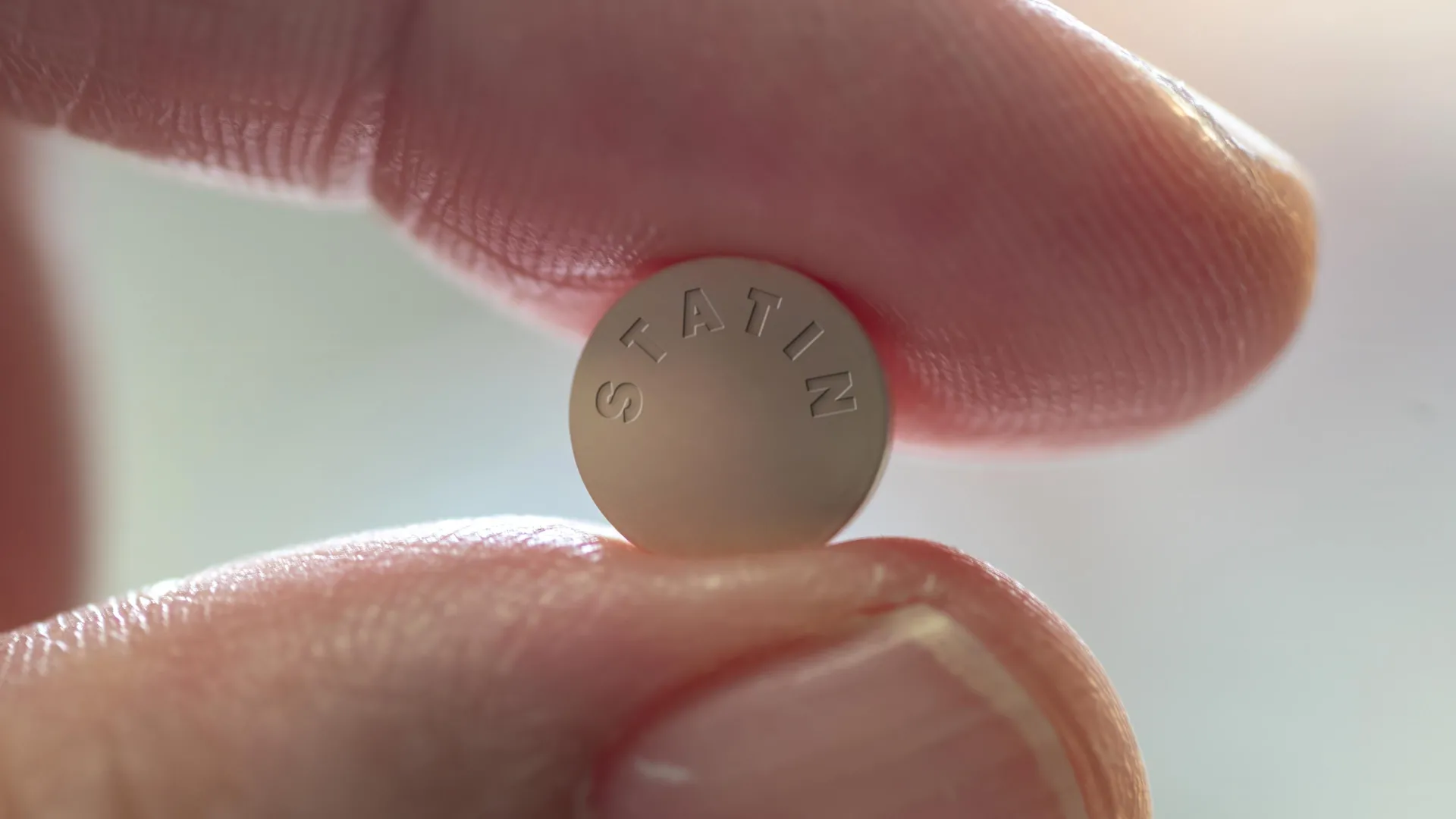
University of Oxford researchers have developed a calculator to estimate a patient’s individual risk of serious muscle disorders linked to statin use. The tool could help doctors and patients weigh rare but serious side effects against statins’ role in lowering the risk of heart attacks and strokes.
The study, published in The Lancet Digital Health, found that more than 98% of people identified by general practitioners as eligible for statins had a low predicted risk of developing a serious muscle disorder over the next 10 years, according to the University of Oxford. The researchers also found that more than 60% of eligible patients were not taking statins, including some people at high cardiovascular risk.
Calculator built from English GP records
The Oxford team created and tested the prediction model using anonymized health records from more than 5.6 million people registered with GP practices in England, the university said. Researchers developed the model using records from more than 1.7 million people and checked its performance with data from another 3.9 million.
The calculator uses 22 routinely recorded health factors to estimate a person’s risk over one, five and 10 years. Those factors include age, sex, ethnicity, body mass index, smoking status, existing conditions, previous muscle problems, vitamin D deficiency, medication use and whether a person has been prescribed statins, according to the researchers.
Oxford said the tool is intended to be used alongside cardiovascular risk calculators such as QRISK. Used together, the researchers said, the measures could give clinicians and patients a clearer view of both expected benefit and potential harm when discussing statin treatment.
Focus is on severe muscle conditions
The researchers said the model addresses serious muscle disorders that lead to hospital admission or death. It does not estimate the risk of milder muscle aches and pains that some people report while taking statins.
According to the University of Oxford, previous research has found that many mild muscle symptoms reported during statin treatment are not caused by the drugs. The new work focuses on rarer severe outcomes because those risks are often part of decisions about whether to start or continue therapy.
Dr. Ting Cai, a research fellow in Oxford’s Nuffield Department of Primary Care Health Sciences and lead author of the study, said the findings indicate that serious muscle disorder risk is very low for most people who may benefit from statins. Cai said individual risk estimates could reassure many patients while helping clinicians identify the small group who may need closer monitoring, checks or other options.
Professor James Sheppard, an Oxford primary care researcher and senior author, said treatment decisions often use cardiovascular risk estimates while offering less detail on individual adverse-outcome risk. Professor Constantinos Koshiaris, of the University of Nicosia Medical School and a senior author, said the model gives clinicians a way to quantify potential harm for individual patients.
The online calculator is available through the Oxford University Innovation software store as the STRATIFY-StatinMD Risk Calculator for academic use, according to the university. The study was funded by a British Heart Foundation PhD Scholarship, with additional support for named researchers from the Wellcome Trust, the Royal Society and National Institute for Health and Care Research programs.
This story draws on original reporting from ScienceDaily.