
KAIST reports spray powder that seals severe bleeding in about a second
The AGCL powder forms a gel on contact with blood and may help treat deep, uneven wounds in combat, disasters and surgery, KAIST researchers say.
By Priya Raghavan · Science Reporter
3 min read
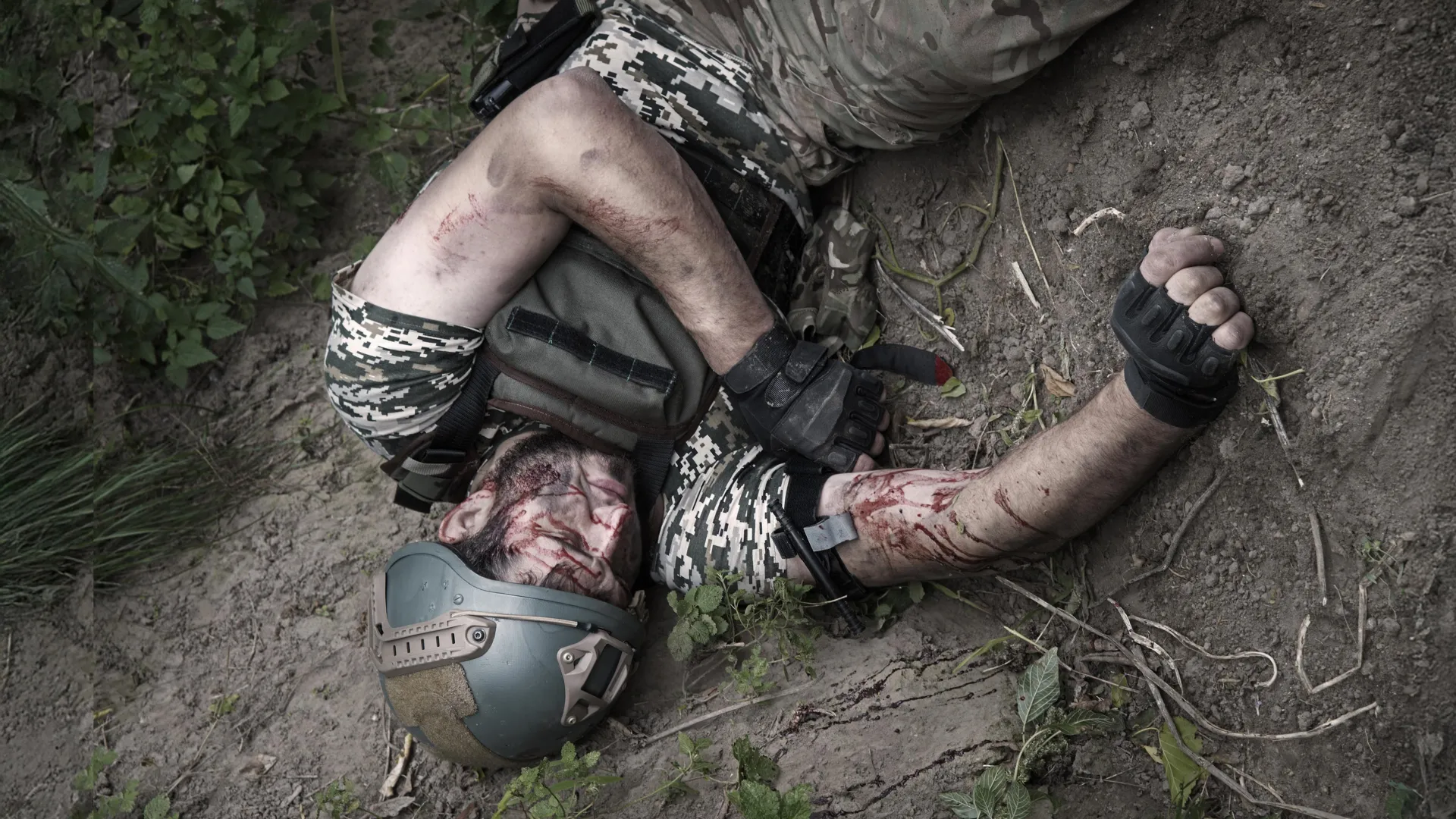
Researchers at KAIST say they have developed a spray-on powder that can seal severe bleeding in about one second by forming a gel over a wound. The work targets a central problem in emergency and battlefield care: KAIST says excessive blood loss is the top cause of death from combat injuries.
The material, called AGCL powder, was developed by a team led by Steve Park of KAIST’s Department of Materials Science and Engineering and Sangyong Jon of the Department of Biological Sciences. The study was published online in Advanced Functional Materials, according to the journal reference.
KAIST said the project included direct participation by Kyusoon Park, a Ph.D. candidate and Army major, and was shaped around field conditions such as combat zones and disaster sites. The powder is meant to be applied quickly and stored for long periods before use.
How the powder works
Patch-style bleeding-control products can be hard to use on deep, uneven or complicated wounds because they are flat, KAIST said. The researchers designed AGCL as a powder so it can spread across wounds with different shapes and sizes, including large or irregular injuries.
According to KAIST, many hemostatic powders mainly absorb blood and create a barrier. AGCL instead uses ionic reactions in blood to form a hydrogel.
The powder combines naturally derived, biocompatible ingredients, KAIST said. Alginate and gellan gum react with calcium to create rapid gelation and physical sealing, while chitosan bonds with blood components to support chemical and biological hemostasis.
When AGCL contacts blood, KAIST said it reacts with cations, including calcium, and turns into a gel in about one second. The material’s three-dimensional structure allowed it to absorb 725% of its own weight in blood, according to the researchers.
The team also reported adhesive strength above 40 kPa, which KAIST described as enough to resist firm hand pressure. KAIST said the powder performed better than commercially available hemostatic agents in the tests described.
Safety, durability and possible uses
KAIST reported a hemolysis rate below 3%, cell viability above 99% and antibacterial activity of 99.9% in laboratory testing. In animal studies, the researchers observed faster wound healing and improved regeneration of blood vessels and collagen, KAIST said.
In liver injury experiments during surgery, the powder reduced blood loss and shortened the time needed to stop bleeding compared with commercial products, according to KAIST. Liver function returned to normal within two weeks after surgery, and the researchers found no systemic toxicity.
Storage was another focus of the work. KAIST said AGCL kept its performance for two years at room temperature under high humidity, a feature the researchers said could be useful in military and disaster settings where supplies may sit unused before emergencies.
Although the project began with national defense in mind, KAIST said the powder could also be used in ambulances, hospitals, disaster response, developing countries and medically underserved areas. The researchers also identified internal surgery as a possible use for bleeding control.
The work received the 2025 KAIST Q-Day President’s Award and the Minister of National Defense Award at the 2024 KAIST-KNDU National Defense Academic Conference, KAIST said. The National Research Foundation of Korea supported the research.
Kyusoon Park said the research began from a military need. “The core of modern warfare is minimizing the loss of human life,” he said, adding that he hoped the technology would be used in both defense and civilian medicine.
This story draws on original reporting from ScienceDaily.