
Two Sigma co-founder urges open AI push as models grow more closed
David Siegel says AI needs the same open development ethos that helped make open-source software central to modern computing.
By Sofia Marchetti · World Affairs Correspondent
3 min read
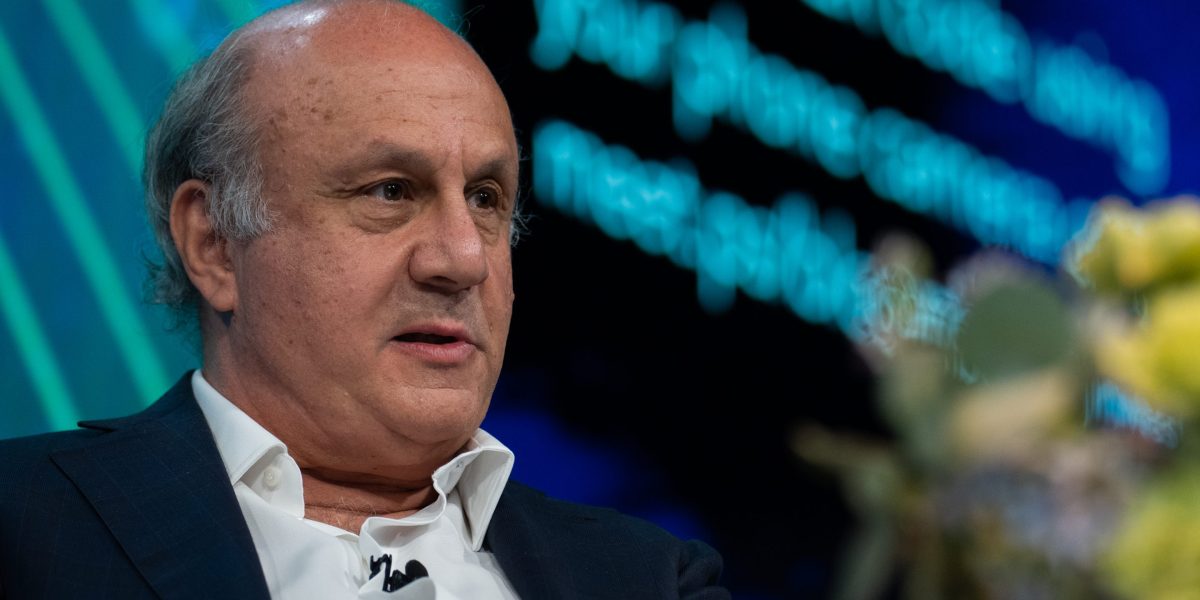
Two Sigma co-founder David Siegel is calling for governments, companies and philanthropies to fund open-source AI as leading systems become harder for outsiders to inspect. In a Fortune commentary, Siegel said the fight over AI openness echoes the early battles over free software, but with broader stakes for science and public knowledge.
Siegel, a computer scientist and philanthropist, said his view was shaped by years at the MIT AI Lab in the 1980s, where his office was next to Richard Stallman’s. Stallman, widely associated with the free software movement, argued that people should be able to read, modify and share the code they use, Siegel wrote.
Siegel said he initially backed the prevailing commercial position that software would advance through proprietary control. After about two years of debate with Stallman, he wrote, he came to see software as knowledge that improves when shared.
Open source as infrastructure
Siegel pointed to Stallman’s work on GCC, the compiler still used to turn code into machine-readable instructions, as an example of software strengthened by outside contributors. He also cited GNU/Linux, which he said now runs much of the internet, as evidence that open development became central to modern computing.
Security was one of the early objections to open software, Siegel wrote. He said the case for transparency prevailed because a broad developer community could identify and repair flaws, while closed systems depended on outsiders not finding them.
Open source also trained engineers, Siegel argued, because public code showed people how advanced systems were built. In his view, proprietary software still has a role, but open-source software has become a core support for the technology industry.
AI transparency is narrowing
Siegel said AI is now moving in the opposite direction. The most advanced AI models are largely closed, he wrote, and open alternatives remain limited while the science behind the technology is still developing.
He drew a distinction between software that allows users to run a model and the materials that show how the model was created. According to Siegel, some Chinese labs and American companies release enough code for people to operate their models, but keep back the training code and data that would explain how those models were built.
That leaves users with model weights they can run but cannot fully understand, Siegel wrote. He added that companies releasing such systems have not committed to keeping their most capable future models open.
Siegel warned that closed AI could affect more than software companies if scientific work comes to rely heavily on AI systems. He argued that a small group of companies controlling models could influence what researchers, doctors, engineers, judges and ordinary users are able to examine or trust.
He also rejected the idea that a model’s own explanation provides a full audit of how it reached an answer. Siegel wrote that a generated explanation may not reflect the underlying computation, leaving users unable to tell whether a changed answer reflects new facts or a vendor’s change.
Call for public funding
Siegel acknowledged concerns that open AI could be misused, saying the objection deserves attention because releasing AI software differs from publishing a research paper. But he argued that closed models can leak, be bypassed and create concentration risks of their own.
His proposal includes public compute grants for open AI research, support from corporations and philanthropies for universities and nonprofits, and a default rule that AI created with public money should be open. Siegel said open AI does not need to match the largest frontier systems to be useful, though maintaining credible open options may require significant funding.
This story draws on original reporting from Fortune.