
Okinawa coral bleaching fears spur race to protect Japan’s reefs
Scientists and conservationists are testing heat simulators and hardier coral as record-warm oceans threaten Okinawa reefs.
By Lucas Ferreira · Science & Environment Writer
3 min read
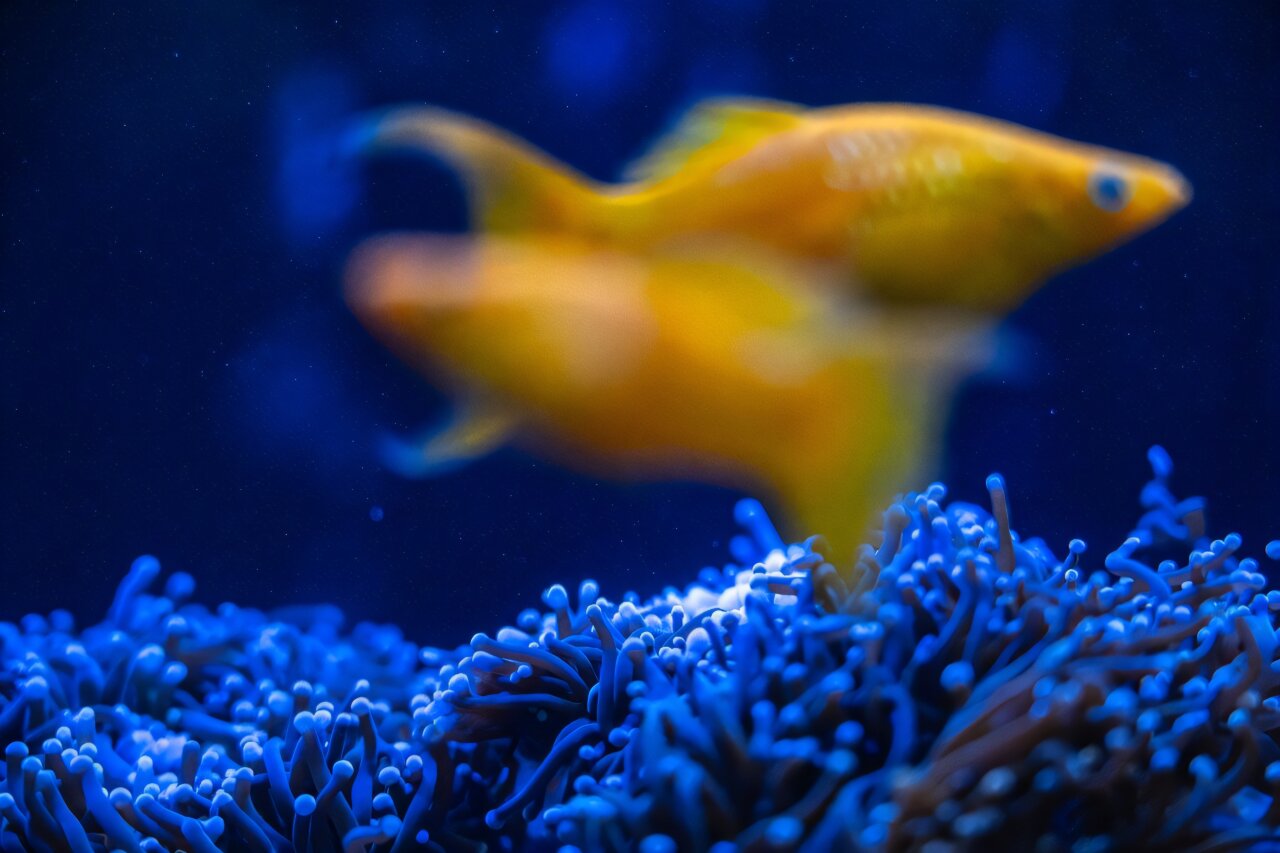
Okinawa coral bleaching has put scientists and conservationists in a race to protect some of Japan’s best-known reefs as ocean temperatures rise. AFP reports that reefs in the subtropical island region were badly damaged by a 2024 marine heat wave, and experts fear another severe event could follow as global seas warm.
The concern has grown after the world’s oceans reached their hottest June on record, according to AFP. A major El Niño is also predicted this year, raising risks for coral colonies and the marine life that depends on them.
Typhoons have recently helped cool waters around Okinawa by drawing up colder deep-sea water as they moved through the Pacific, AFP reported. Timothy Ravasi, a professor at the Okinawa Institute of Science and Technology Graduate University, told AFP that the reprieve should not be mistaken for safety.
Ravasi said another mass bleaching event is near certain in Okinawa and elsewhere if not this year, then soon, comparing the threat to a bomb that will detonate. His lab is using what he calls one of only two “heat wave simulator” systems in the world to study how reef ecosystems respond.
What is causing Okinawa coral bleaching?
Coral bleaching happens when heat stress causes corals to lose the algae that give them color and much of their energy. AFP reports that climate-driven marine heat waves turned parts of Okinawa’s reefs pale or brown in 2024, while ocean acidification and warming remain central concerns for researchers.
At Ravasi’s lab, seawater tanks hold coral, giant clams and clownfish in controlled settings meant to resemble natural conditions. By changing temperature and pH levels, researchers can recreate future heat waves and watch how different organisms react, AFP reported.
Ravasi told AFP that without a clearer understanding of how climate change, ocean warming and acidification affect coral ecosystems, those ecosystems could be lost. Coral reefs cover only 0.1% of Earth’s surface but support about a quarter of marine fish species, according to AFP.
Local efforts focus on breeding and tougher coral
Okinawa’s reefs also face pressure from hotel construction, overfishing and pollution, AFP reported. The region depends heavily on tourism, which accounts for more than 80% of its economy, making limits on development or visitor activity politically difficult.
The village of Onna, where the Okinawa science institute is located, has worked since 1999 to breed corals and move them into the sea. Shoichi Ikeno, head of the diving company Lagoon, told AFP that some critics once viewed coral cloning as an improper interference with nature, though later DNA analysis found minimal ecological effects.
In nearby Yomitan, Koji Kinjo has taken a different approach at an indoor “artificial sea” facility that holds coral, tropical fish and sea cucumbers in aquariums. AFP reports that Kinjo developed what he calls “miracle coral” with increased tolerance for warmer water.
Kinjo told AFP that early attempts failed when coral raised in low-stress conditions died after being transplanted into the ocean. He said he later exposed corals to strong ultraviolet light and other stresses while raising them, producing organisms that survived the 2024 bleaching without damage.
Kinjo’s methods have drawn criticism from people who believe the sea should recover on its own, AFP reported. He argues that natural corals near his seaside farm can no longer keep pace with rising stress in polluted waters, and that intervention is needed to build reefs able to survive future conditions.
This story draws on original reporting from Phys.org.