
Ocean plastic in petrel chicks linked to early health changes
A Patagonia study found plastic in more than 71% of southern giant petrel chicks, with low exposures tied to physiological signals.
By Tom Brennan · Health & Medicine Correspondent
2 min read
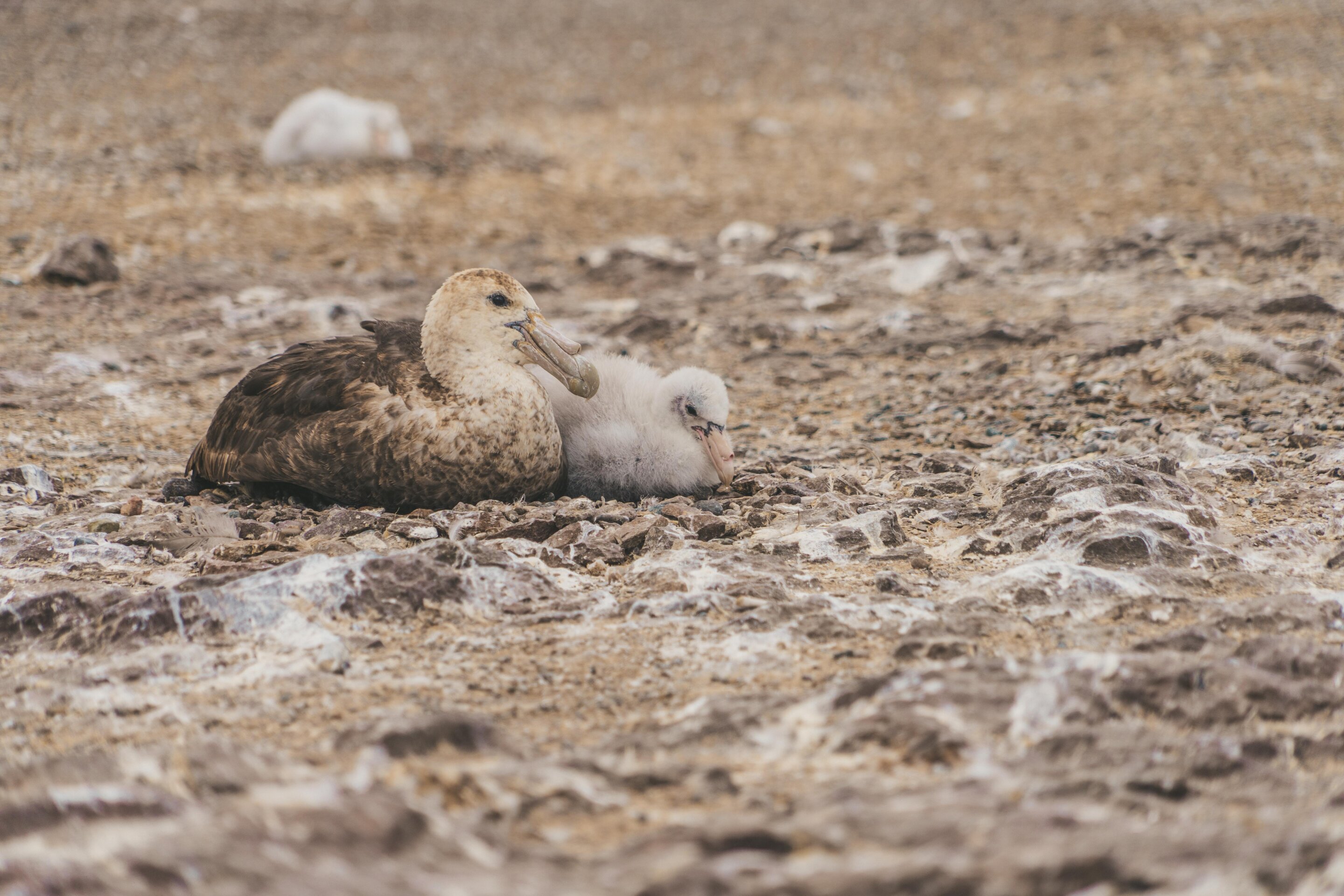
Ocean plastic petrel chicks research in Patagonia has found that even a small amount of ingested debris was associated with changes in young birds’ health indicators. The findings matter because plastic was detected in more than 71% of the southern giant petrel chicks examined, according to researchers at the University of California, Davis, and Argentina’s National Research Council, known as CONICET.
The study was announced on Aug. 31 and published in Ecotoxicology and Environmental Safety. Researchers examined chicks at two developmental stages during 2022 and 2023 in Patagonia, Argentina.
How does ocean plastic reach petrel chicks?
Southern giant petrels feed at the sea surface, where floating plastic can collect. Adults may swallow that material while foraging and then pass it to chicks when they regurgitate food, UC Davis said.
The plastic recovered from chicks was small relative to their body mass. Still, the study found associations between plastic ingestion and potentially harmful shifts in measures connected to nutrition, body condition, metabolism, liver and muscle function, and immune response. The associations were most apparent in chicks about one month old.
Luciana Gallo of CONICET, the study’s first author, said the chicks looked healthy even though researchers identified biological signals related to their physiology. Marcela Uhart, the corresponding author and a UC Davis wildlife veterinarian, said a stomach full of plastic was not required to detect such a signal.
What did the study find as the chicks grew?
Most of the measured changes had eased or were no longer detected when chicks approached fledging at about three months old, UC Davis reported. One remaining signal involved glutathione S-transferase, or GST, an enzyme that helps cells handle foreign chemicals and protect against oxidative stress.
The researchers have not determined whether the birds recovered as they developed or whether exposure and physiological effects occur on different schedules. The study did not establish that plastic caused illness, death, lower survival or population declines.
Uhart said subtle physiological shifts could serve as an early warning before more visible impacts emerge, particularly in long-lived seabirds that reproduce slowly. That is a possible conservation concern rather than an outcome documented by this research.
Broader research has identified petrels as vulnerable to plastic exposure. A 2023 global assessment led by scientists including the British Antarctic Survey found that petrels’ feeding behavior and digestive anatomy can make them more likely to ingest and retain plastics. It also identified plastic-exposure risks in ocean gyres and other polluted marine areas.
This story draws on original reporting from Phys.org.