
Moon-building material endured six months outside the space station
University of Delaware researchers say a geopolymer cement alternative survived low Earth orbit and gained strength in some tests.
By Tom Brennan · Health & Medicine Correspondent
3 min read
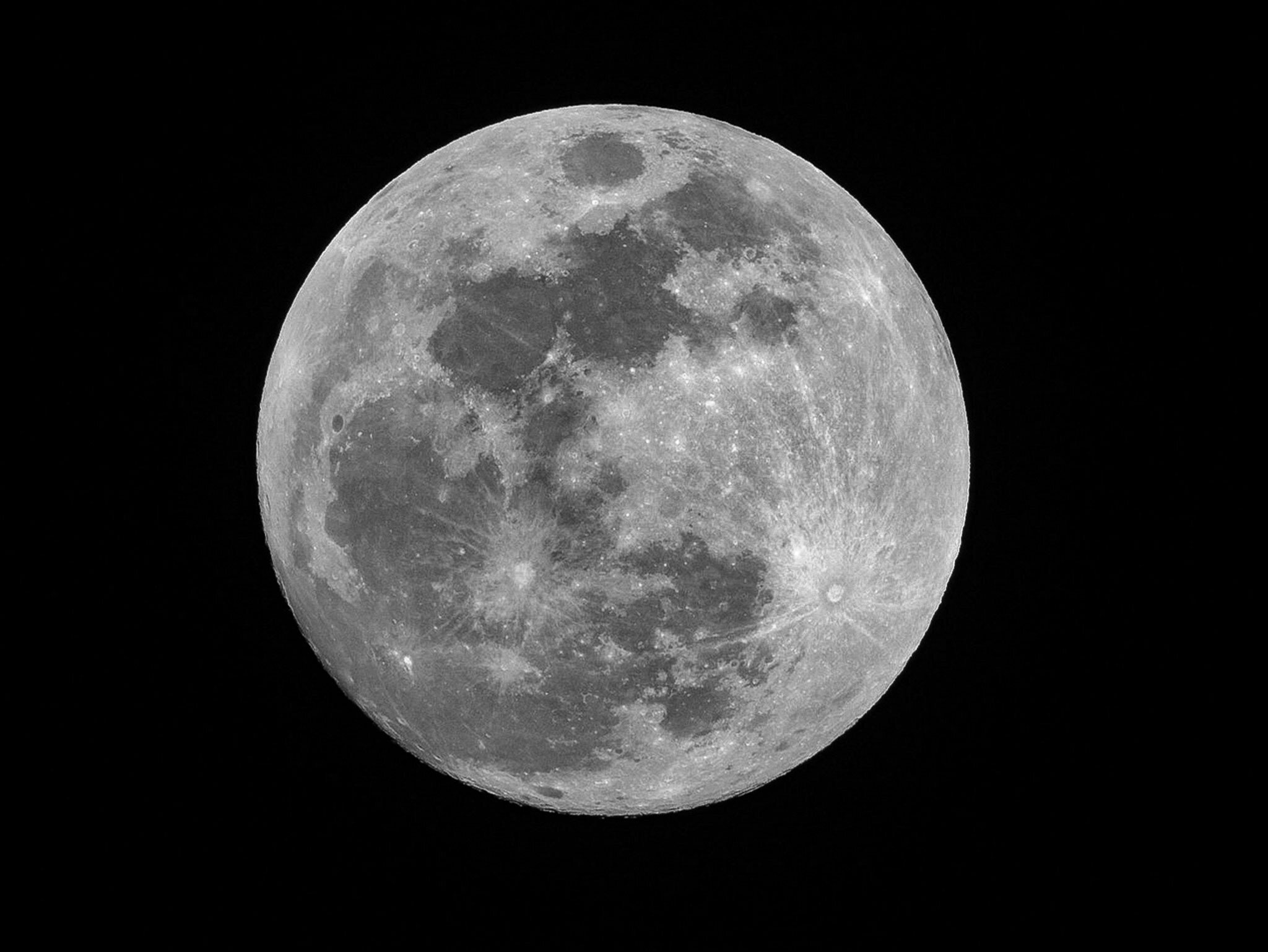
A cement alternative being studied for future lunar construction survived six months mounted outside the International Space Station, according to University of Delaware researchers. The result matters for moon-base planning because hauling conventional building supplies from Earth would be costly, and mission planners are looking for ways to use material already on the lunar surface.
The samples were thin plates made from commercially available simulants of lunar and Martian regolith, the loose dust and rock found on planetary surfaces. The University of Delaware team sent them to orbit through NASA’s MISSE-20 mission, which exposes materials to the harsh conditions outside the station in low Earth orbit.
In a study published in Advances in Space Research, the researchers reported that the material did not break down during its time in orbit. Some samples showed higher measured strength after returning than matching samples kept on Earth, according to the university.
Why regolith is central to the work
The material under study is a geopolymer, a cement substitute that turns clay-rich feedstocks into a solid through chemical reactions. Norman Wagner, the Unidel Robert L. Pigford Chair in chemical engineering at the University of Delaware, said regolith is a silicate material with clay-like qualities and is plentiful on both Earth and the moon.
Wagner’s lab is studying whether lunar regolith could be combined with limited additives to make construction material without the high-temperature steps used to make ordinary cement. The university said the same line of research could also have uses on Earth, where lower-energy construction materials are a target for sustainability work.
The space-station test addressed durability after fabrication. For lunar construction, the university said another problem is consistency: regolith is not uniform, and material collected in one place may behave differently from material collected elsewhere.
AI model targets strength predictions
In a separate paper in Acta Astronautica, Wagner’s group reported a machine-learning model designed to predict the compressive strength of a geopolymer. The model uses details about the starting regolith simulant and the processing steps, according to the researchers.
That work is aimed at helping engineers estimate whether a batch of lunar building material will meet strength needs before using it in structures. The university described the study as a practical step toward making construction materials on site rather than relying on pre-made supplies from Earth.
A third line of work from the lab examined how geopolymers behave before they harden, including during mixing, pumping and shaping. In the Journal of Rheology, the researchers described a transition called the critical gel point, when the slurry begins changing into a solidifying network.
The team found that mixing or shearing the material before that transition did not change its hardening time or final strength, according to the university. That finding suggests future lunar construction systems may have some room in how they move and form geopolymer materials before they set.
The three studies together show progress on durability, strength prediction and processing behavior. The University of Delaware researchers did not report a finished lunar construction system, but their results add evidence that regolith-based geopolymers could be candidates for building beyond Earth.
This story draws on original reporting from Phys.org.