
Stem study points to inner tissues as drivers of plant shape
John Innes Centre researchers found that genes acting inside Arabidopsis stems can alter organ width by changing how cells divide.
By Lucas Ferreira · Science & Environment Writer
3 min read
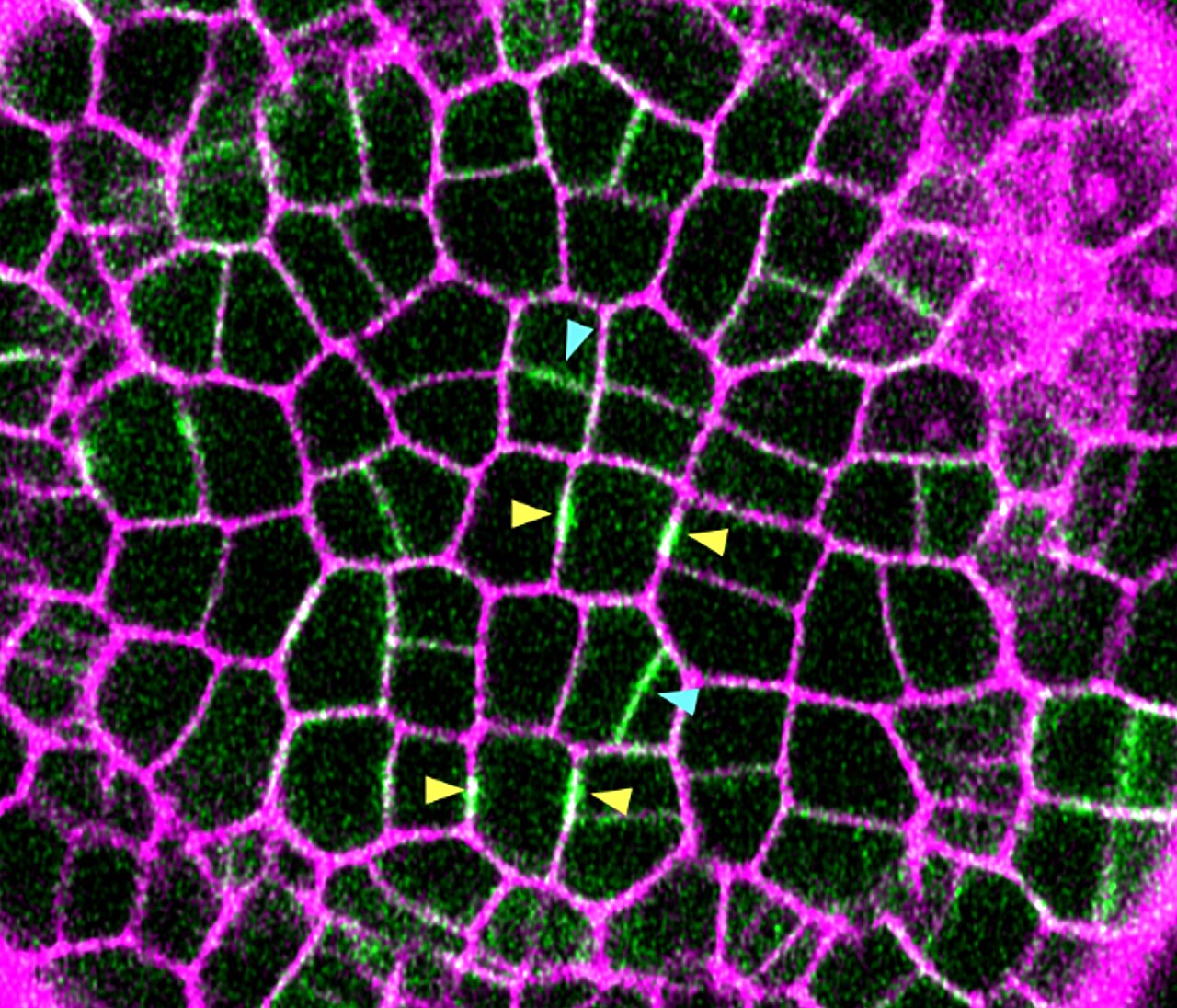
Plant organ shape may depend more on inner tissues than many researchers have assumed, according to a John Innes Centre study published in Current Biology. The finding matters for crop science because related genes have been linked to the shapes of fruits and seeds, including melons and rice grains.
The study examined how leaves, stems, fruits and grains take on genetically controlled forms. The John Innes Centre said a common view has been that outer tissues, including the epidermis and layers beneath it, have a leading role because they resist or give way to pressure from tissues inside the organ.
Researchers led by Professor Robert Sablowski tested that idea in Arabidopsis, a widely used model plant. They focused on genes known to affect stem thickness and found evidence that growth control can originate in deeper stem layers.
How the team followed cell growth
The researchers used gene editing to disrupt genes involved in the direction of cell division, the John Innes Centre said. They also used a genetic labeling method to mark single cells and their descendants, allowing the team to track groups of related cells, known as clones, as the stem developed.
By measuring the size and form of those labeled clones, the team inferred how cells divided and grew over time. The work centered on the rib meristem, a region at the plant tip where the stem starts to form.
In normal Arabidopsis stems, cells in that region divide mainly at right angles to the direction in which the stem extends, according to the study. That pattern leaves the inner stem organized as long files of cells.
When the researchers disrupted some of the genes, some cell divisions took place in a different orientation. The study reports that those altered divisions made stems wider while leaving their length unchanged.
The John Innes Centre said the effect was equivalent to adding more cell files across the stem, increasing its thickness. That result linked organ width to the direction of cell division within internal tissues.
Implications for crops
Sablowski said the results show that a defined set of genes can control plant organ shape by altering the direction in which cells divide. He said the findings challenge the assumption that growth control sits mainly in outer tissues such as the epidermis.
The study also runs against another expectation in plant development, according to the John Innes Centre. Cell division orientation is often treated as a result of growth patterns, but the Arabidopsis experiments suggest it can help cause changes in organ shape.
The researchers said the same class of genes has been implicated in shaping fruits and seeds. The John Innes Centre cited examples including differences between round and elongated melons, and between wider and thinner rice grains. Cucurbits, the crop group that includes melons, squash and pumpkins, are among the plants where the findings may be relevant.
Sablowski said understanding how these genes alter stem shape could help explain changes in fruit and seed form selected during crop domestication and breeding. The study did not report a new breeding method, but it points to a developmental mechanism that crop researchers may investigate further.
The next question, according to the John Innes Centre, is how a shift in cell division direction changes the mechanics of plant tissues and redirects growth. The paper, “Control of plant organ growth linked to cell division orientation in inner tissues,” appears in Current Biology with DOI 10.1016/j.cub.2026.06.038.
This story draws on original reporting from Phys.org.