
Model links social norms to uneven climate action across regions
Researchers say regional attitudes can reinforce or weaken emissions-cutting efforts, complicating global climate strategies.
By Tom Brennan · Health & Medicine Correspondent
3 min read
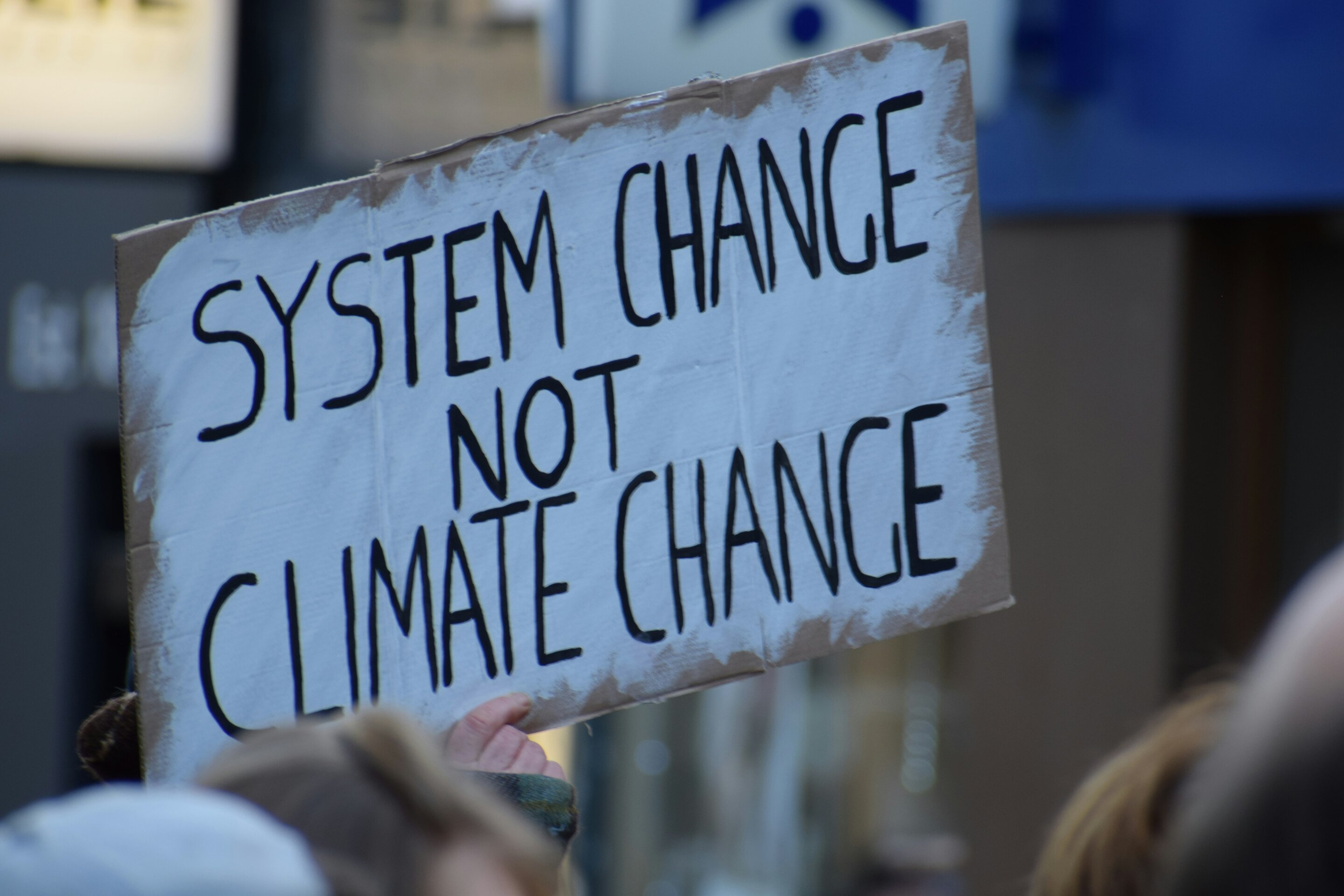
A new mathematical model suggests social norms can shape climate action as strongly as economic pressures, according to research from the University of Waterloo. The findings matter because emissions-cutting efforts in one part of the world may change public support for climate policy elsewhere, sometimes in counterproductive ways.
The study, published in Nature Communications, examined how climate risk perceptions, social expectations and economic factors interact across five broad regions. The researchers divided the world into Asia, Latin America, the Middle East and Africa, OECD countries, and the reforming economies of Eastern Europe and the former Soviet Union.
University of Waterloo said the model uses existing data on cultural values and behavior in those regions. It then simulates how those social and economic conditions affect mitigation efforts, and how those choices feed back into global warming.
Behavior added to climate modeling
Dr. Chris Bauch, a professor of applied mathematics at the University of Waterloo, said many climate models treat people mainly as rational economic actors who pursue their own financial interest. Bauch said the new model accounts for the influence of social norms, including everyday choices such as eating more beef or using reusable water bottles.
According to Bauch, those behaviors can have a meaningful effect on climate mitigation. The model treats public support for emissions reductions as something shaped by perceived climate danger, local economic pressure and the behavior people see around them.
The paper is titled “Implications of regional variations in climate change vulnerability and mitigation behaviour for social-climate dynamics.” Its authors include Amrita Punnavajhala, Bauch and Dr. Madhur Anand, according to the publication details released by the University of Waterloo.
Climate messaging may not work the same way everywhere
The researchers found that policies or public discussion that increase climate action in one region may have the opposite effect in another. Lead author Amrita Punnavajhala, who recently completed a Ph.D. in applied mathematics at Waterloo, said more discussion of climate change often raises support for mitigation, but can also increase opposition in some places.
Punnavajhala said the best approach depends on each region’s social and economic conditions. The study cautions against assuming that a single strategy for building public support will produce the same result across different societies.
The model also points to cross-border effects that may be hard to spot in standard climate-policy analysis. Bauch gave the example of stronger mitigation efforts in Asia slowing warming slightly, which could reduce the sense of urgency in OECD countries such as Canada and the United States.
According to Bauch, that reduced urgency could weaken social pressure for climate action in those countries and create harmful long-term effects. The finding suggests that successful action in one region does not automatically strengthen global momentum if it changes how people elsewhere perceive risk.
Feedback loops between people and climate
Anand, a professor of environmental science at the University of Guelph and an adjunct professor in Waterloo’s Department of Applied Mathematics, said climate change and human behavior continually affect each other. She said understanding those links will be needed to reduce emissions and build a more sustainable future.
The study appears in Nature Communications with the DOI 10.1038/s41467-026-73874-8. The University of Waterloo said the work was peer-reviewed.
This story draws on original reporting from Phys.org.