
Lucerne irrigation stress yield rises in Keith seed trial
A five-harvest South Australian trial found carefully delayed irrigation lifted lucerne seed returns, though results depend on local conditions.
By Tom Brennan · Health & Medicine Correspondent
3 min read
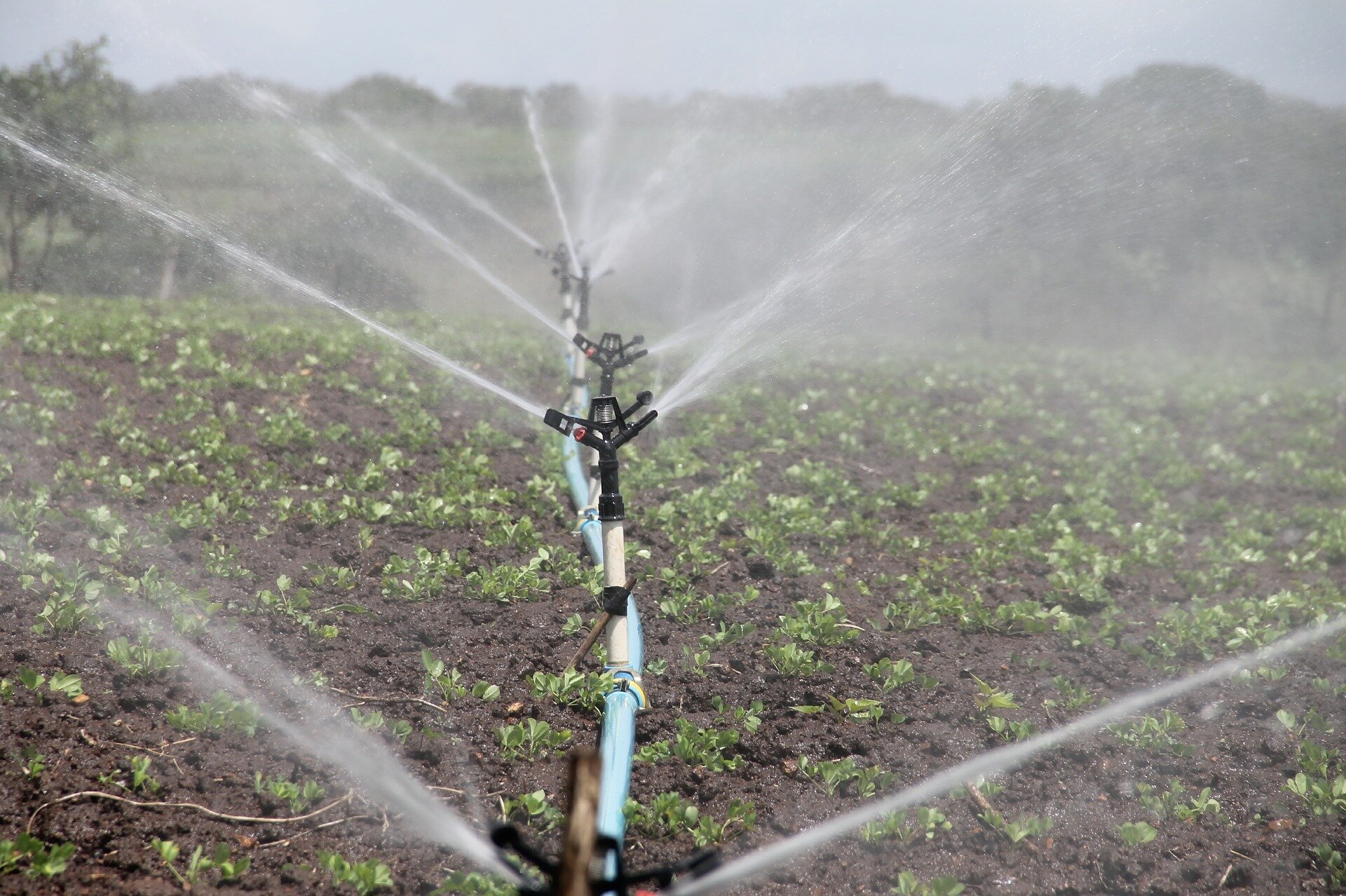
Lucerne irrigation stress yield improved under a carefully managed delayed-watering treatment in a five-harvest seed trial near Keith, South Australia. AgriFutures Australia reported that the approach also produced the highest comparative gross margin in every one of four years assessed, suggesting more frequent watering does not necessarily maximise seed-crop returns.
The findings apply to a specific system: sandy-loam soil and flood irrigation at Warrawee Park. They support monitored, limited moisture stress rather than leaving a crop without water for an extended period, according to AgriFutures Australia.
What did the lucerne irrigation stress yield trial find?
The trial, established in June 2018, compared 31 proprietary and benchmark lucerne varieties through five seed harvests. Researchers tested normal farm watering against two delayed-irrigation approaches, using soil-moisture readings and weather data to help set watering times, AgriFutures Australia said.
- Under moderate stress, irrigation was held off until plants began to wilt.
- Under high stress, irrigation was delayed until early leaf drop appeared.
- The high-stress treatment generally out-yielded standard irrigation after the establishment year, averaging about 0.6 to 0.7 tonnes of seed a hectare across the trial period.
The exception was 2021-22, when rainfall interfered with the planned irrigation treatments and the differences were not statistically significant, according to AgriFutures Australia. The moderate-stress treatment delivered less consistent results than the later, early-leaf-drop trigger.
The earlier first-year report used approximate 18-day, 20-day and 22-day intervals for standard, moderate- and high-stress flood-irrigation bays, respectively. Lucerne Australia cautioned at the time that those figures came from a seedling crop, while the later multi-harvest results provide the broader comparison.
How did delayed irrigation affect returns?
AgriFutures Australia said high stress generated the best gross margin in each of four analysed years, ranging from about $3,064 to $4,210 a hectare. Standard irrigation produced comparative margins of about $2,071 to $3,074 a hectare.
Those calculations included seed and hay revenue, variable costs and irrigation costs. The reported advantage reflected both stronger seed yields and lower watering costs, while higher seed prices added to returns in the final year, according to AgriFutures Australia. They are comparative gross-margin figures, not full production-cost accounts.
Variety selection remained relevant across the irrigation treatments. SW18NPK91, SARDI 10 Series II, Heritage 10 and SARDI 7 Series II were among the stronger seed-yielding varieties across seasons and watering strategies, AgriFutures Australia said.
What can growers take from the result?
The treatment does not provide a universal irrigation schedule. AgriFutures Australia said growers need to account for their soil, irrigation equipment, weather, crop condition and water-holding capacity before delaying watering; the trial’s high-stress method stopped at early leaf drop rather than severe or prolonged stress.
For farms considering the practice, AgriFutures Australia recommends testing it on a small area or one irrigation bay, watching plants and soil moisture closely, and recording water use, seed yield, hay income and margin under the farm’s own costs and prices. Readers can review the reported findings in AgriFutures Australia's trial summary.
This story draws on original reporting from Phys.org.