
Landsat 10 payload systems move into prototype work
Southwest Research Institute says it is building electronics and flight software for the NASA-USGS Earth-observation mission planned for 2031.
By Lucas Ferreira · Science & Environment Writer
2 min read
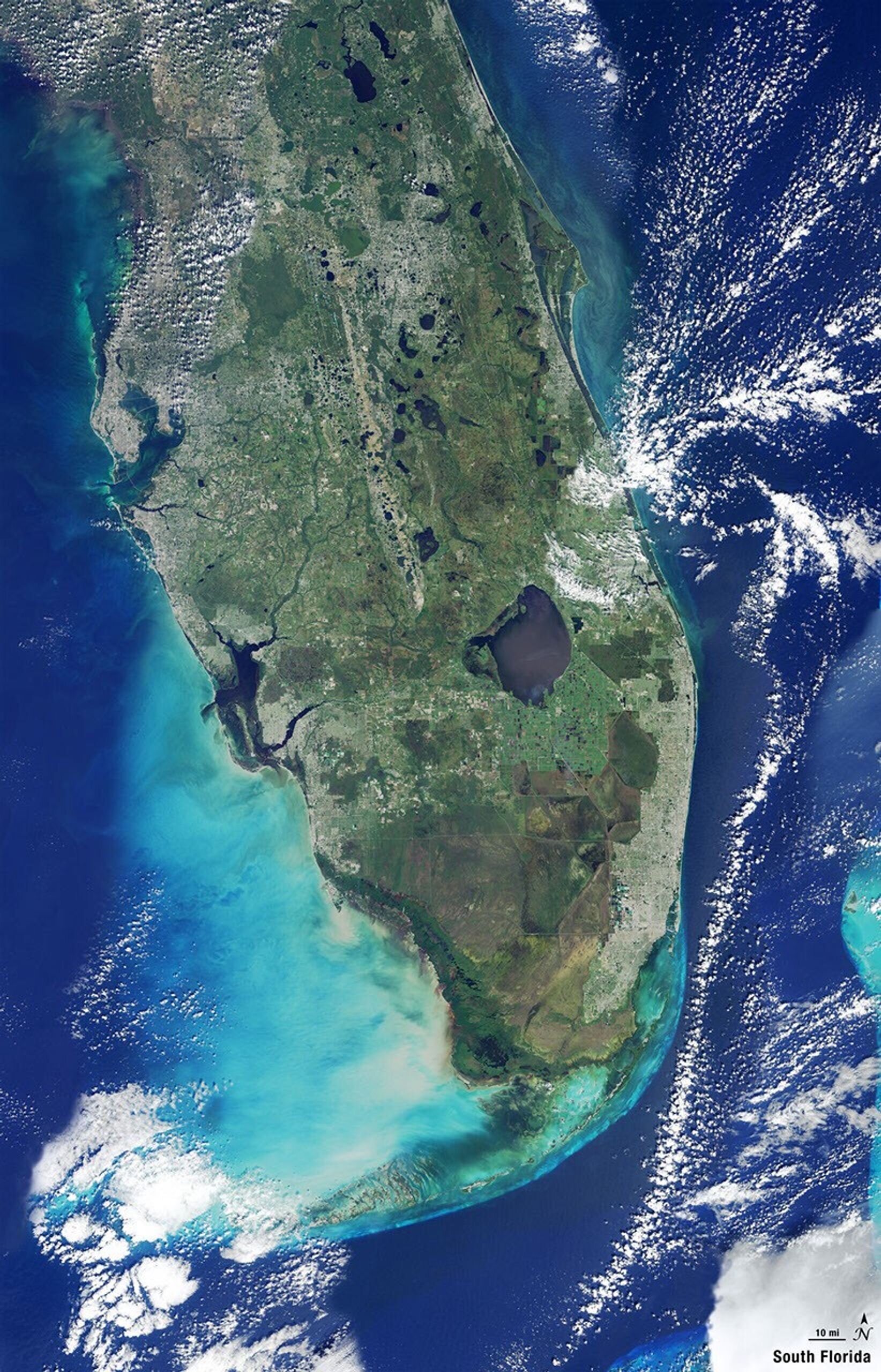
Southwest Research Institute is developing key payload electronics and flight software for Landsat 10, the next NASA and U.S. Geological Survey satellite mission to track changes across Earth’s surface. The work matters because Landsat 10 is intended to extend a long-running public record used for water, agriculture, soil and forest research.
SwRI said the spacecraft is scheduled to launch in 2031 and will gather new Earth-observation data for the Landsat program. NASA and USGS have operated Landsat missions since 1972, and SwRI said the program has launched nine satellites and produced more than 10 million images of the planet’s surface.
The institute is working as a subcontractor to Raytheon, an RTX business, which is developing the Landsat Instrument Suite, known as LandIS. That suite includes the multispectral imager for Landsat 10, according to SwRI.
SwRI’s role centers on the systems that help the instrument collect image data, reduce its size and prepare it for transmission to the ground. Patrick Phelan, who leads SwRI’s work on the project, said Landsat 10 will handle about 1.8 gigabits of compressed data per second, a data rate that sets it apart from earlier Landsat missions.
What the payload systems will do
SwRI said it is building electronics and software for LandIS to capture and compress imagery before the data is sent back to Earth. The institute is also developing control technology tied to the instrument’s temperature and to the camera mirrors that guide and focus light for wide, detailed views of the surface.
The institute said it will also create operational and interface simulators. Those systems are meant to reproduce how the spaceborne payload behaves so mission teams can practice science operations on the ground before using the satellite in orbit.
According to SwRI, data from Landsat 10 is expected to support research and monitoring of water quality, water supply and water use. The institute also cited agricultural production, soil conservation and forest management as areas that could benefit from the mission’s imaging capability.
Phelan said SwRI is drawing on experience from prior NASA work and private space industry projects. He said the goal is to provide more detailed information about conditions on Earth so decision-makers can better address future problems and use available resources.
SwRI said the Landsat 10 payload work has passed its preliminary design review. The team is now building a prototype unit ahead of a critical design review planned for later this year.
This story draws on original reporting from Phys.org.